
Millwork That Defines a Room's Character
Architectural Moldings & Carved Appliques in Tellico Plains for interiors where flat walls and plain transitions leave spaces feeling unfinished
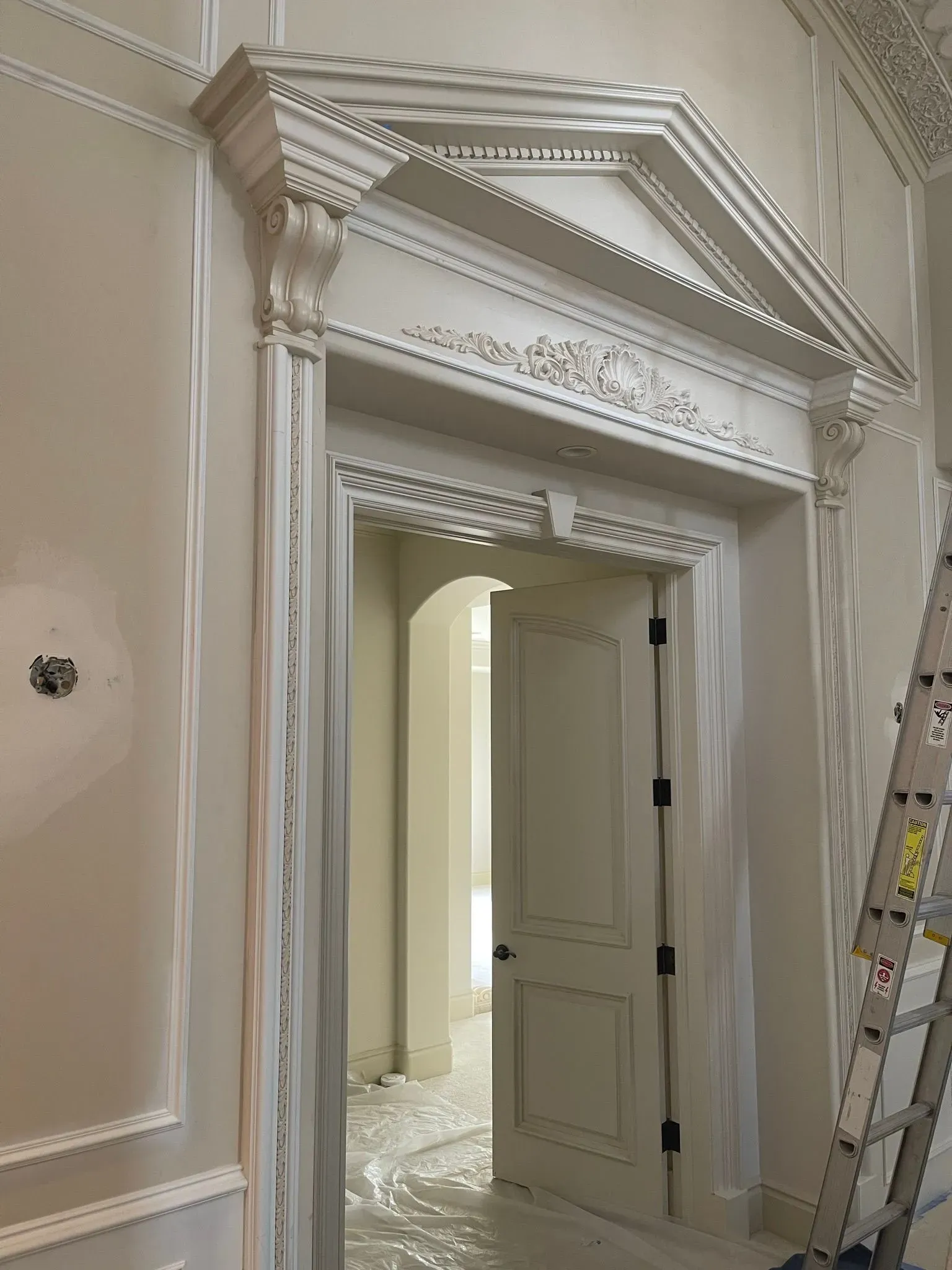
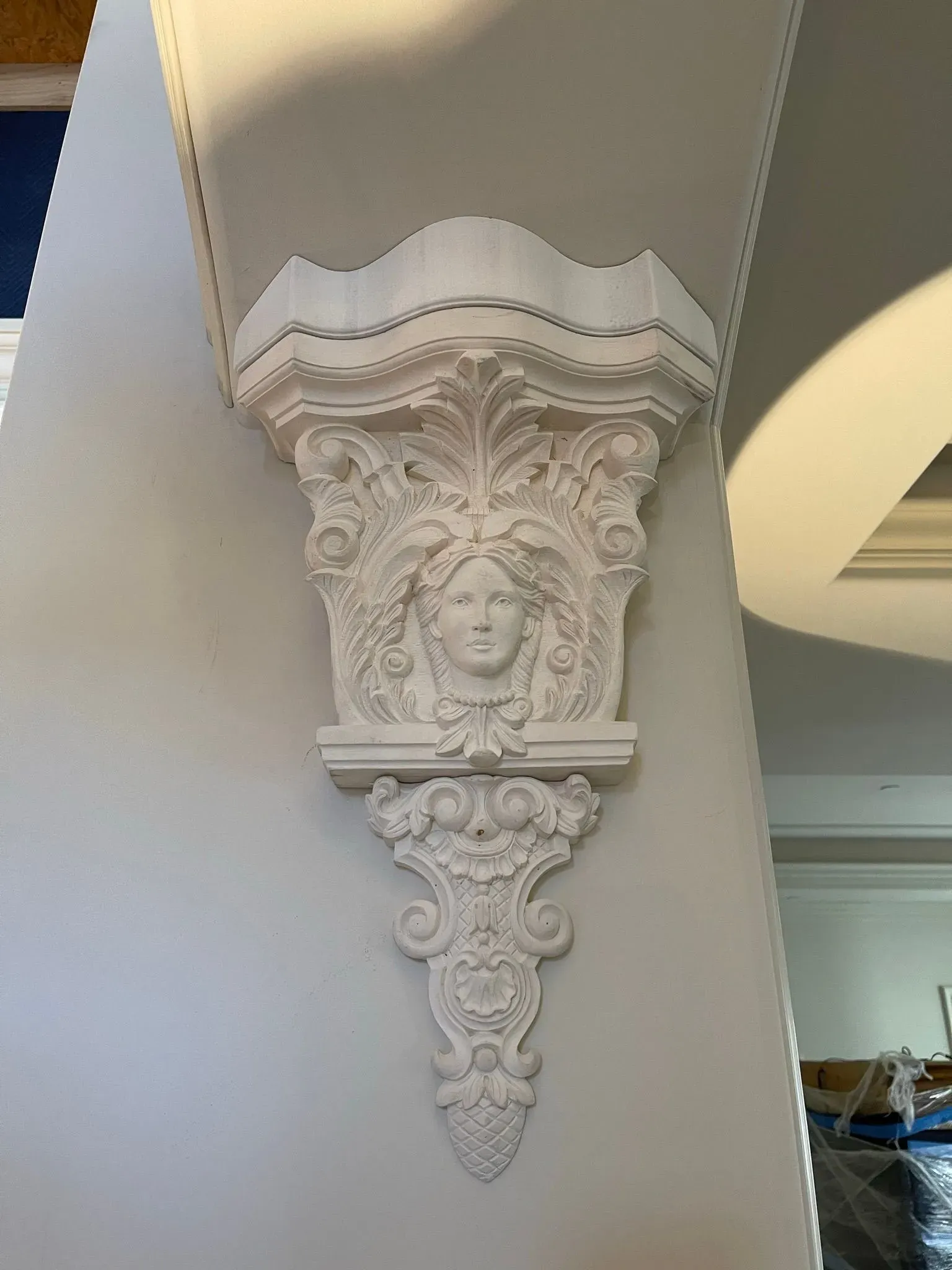
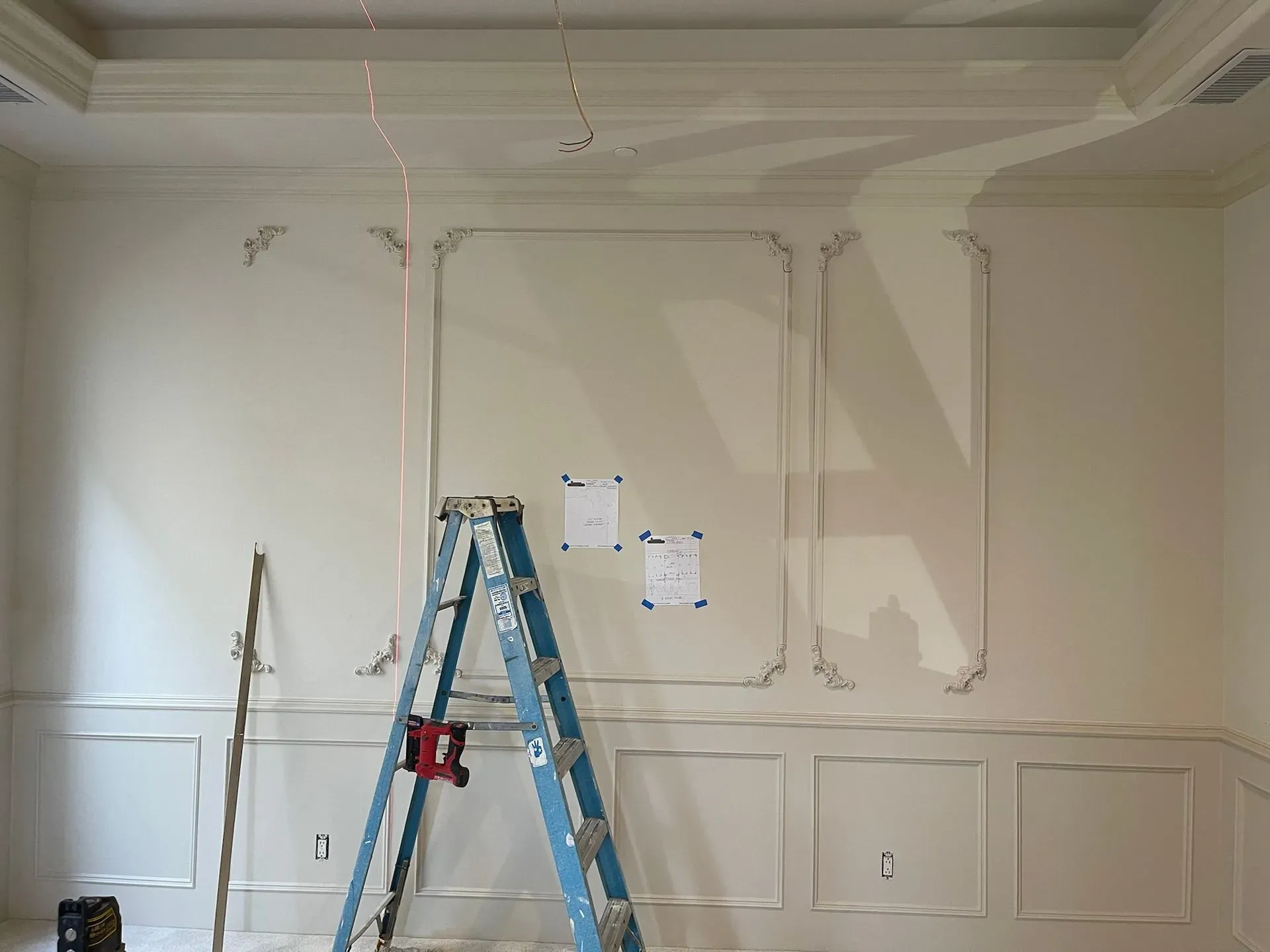
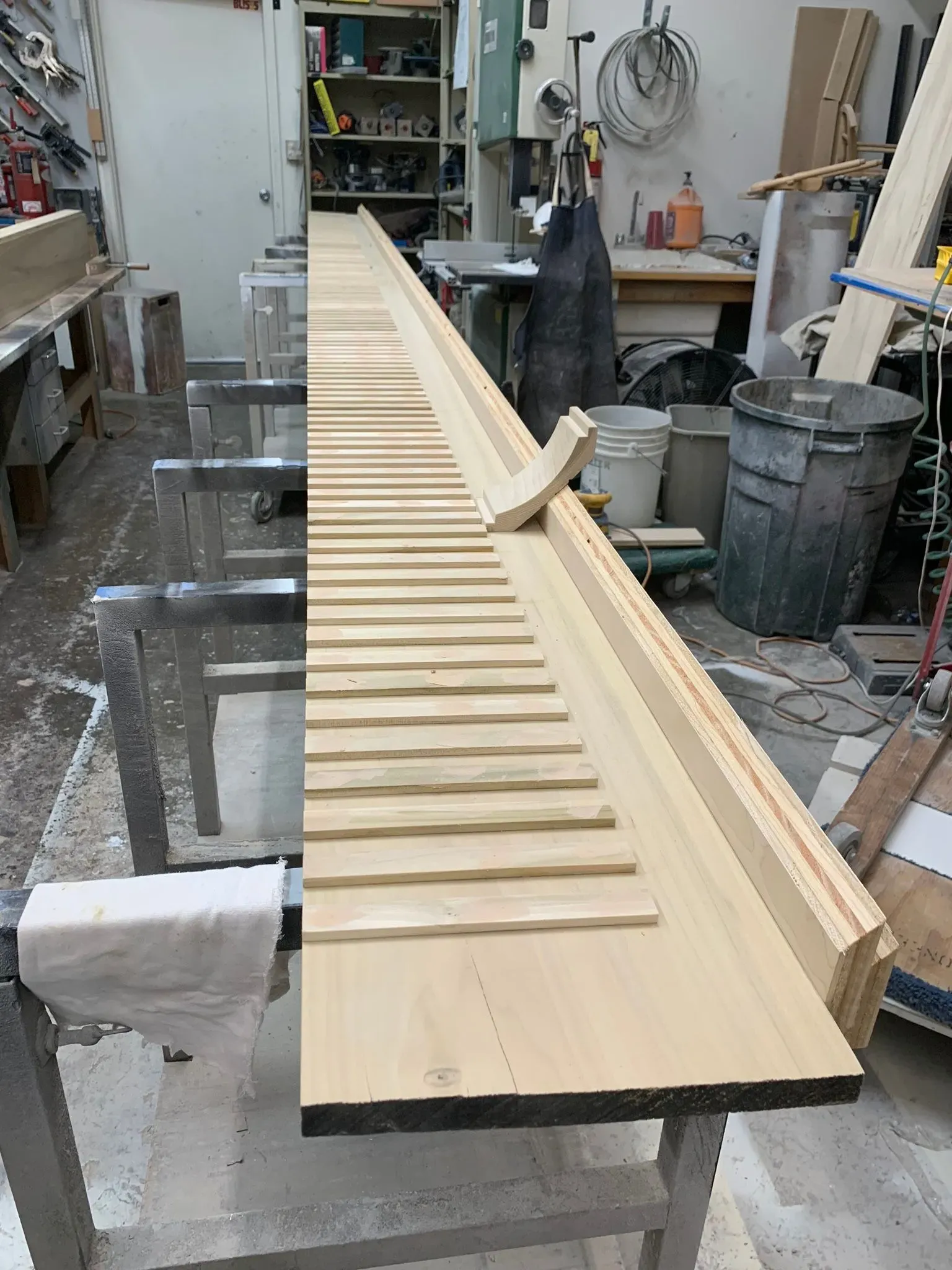
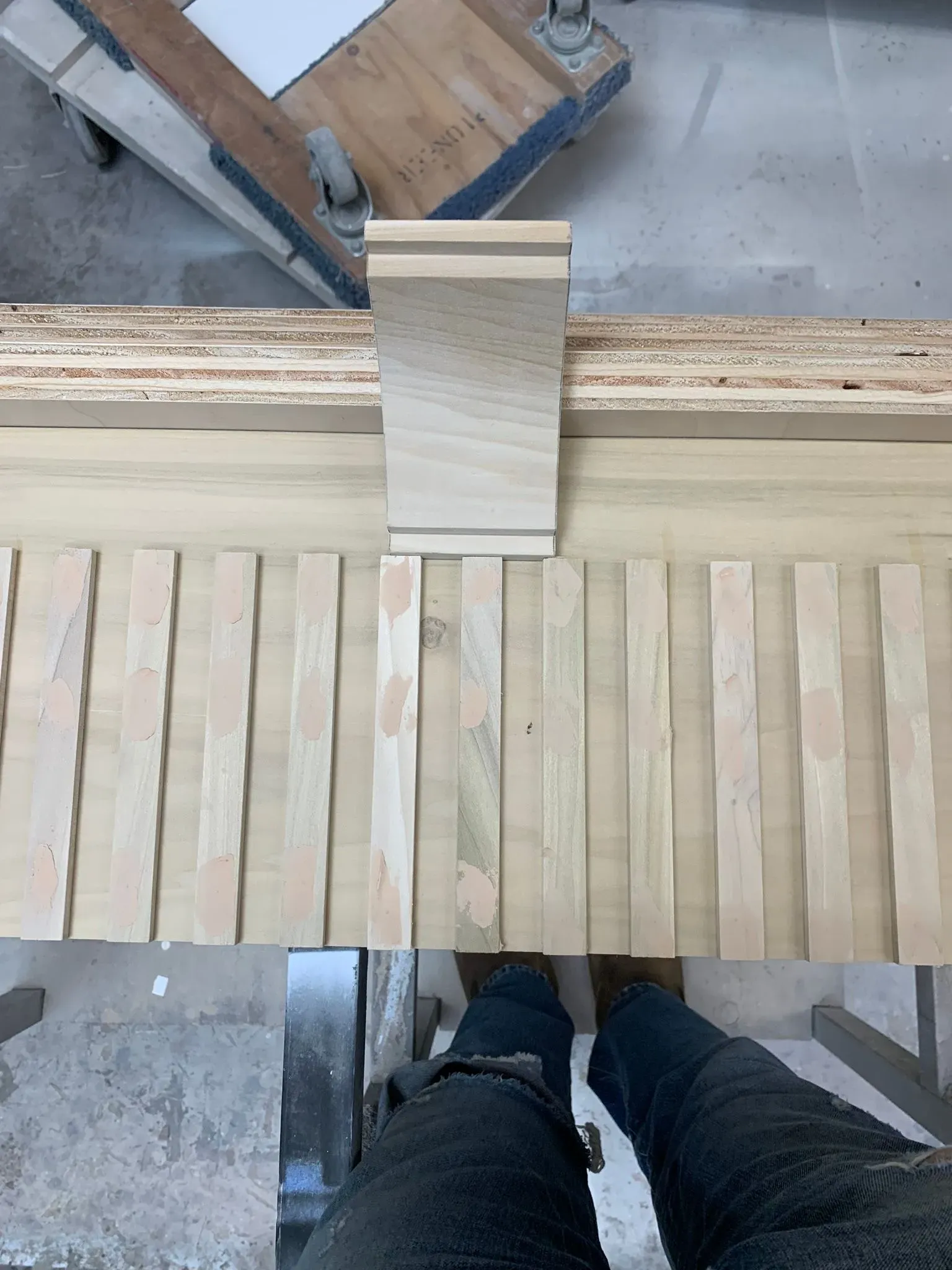
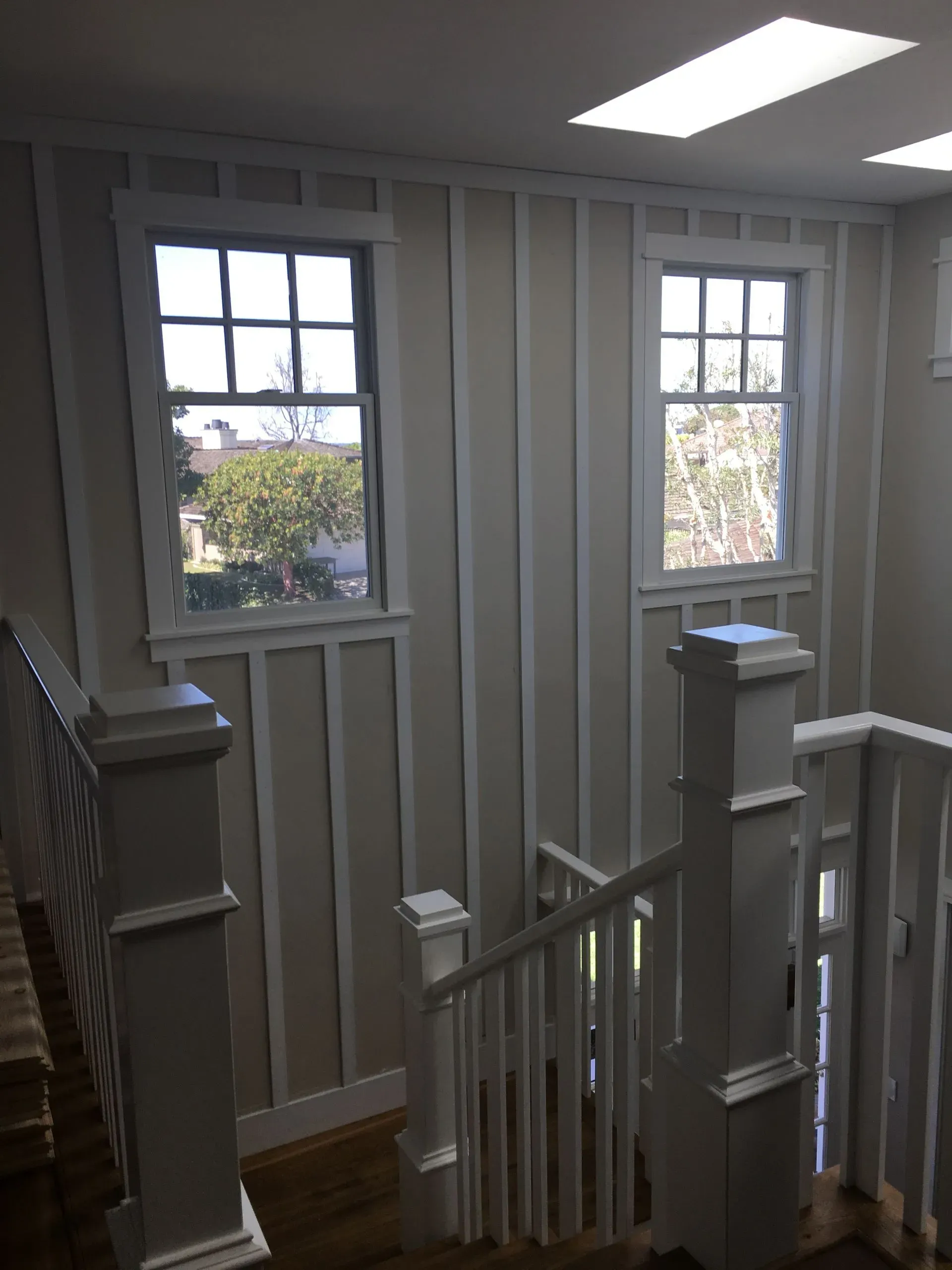
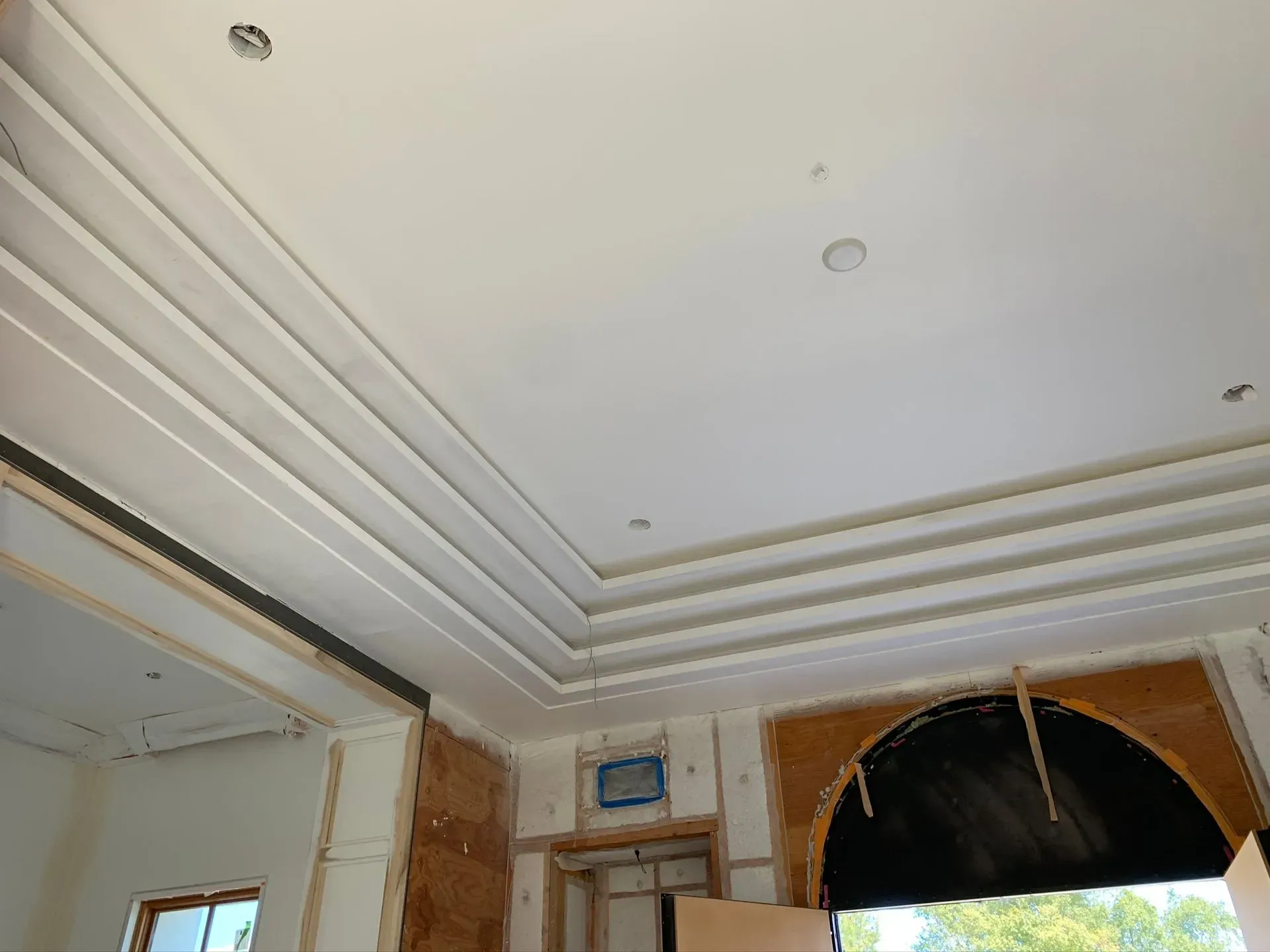
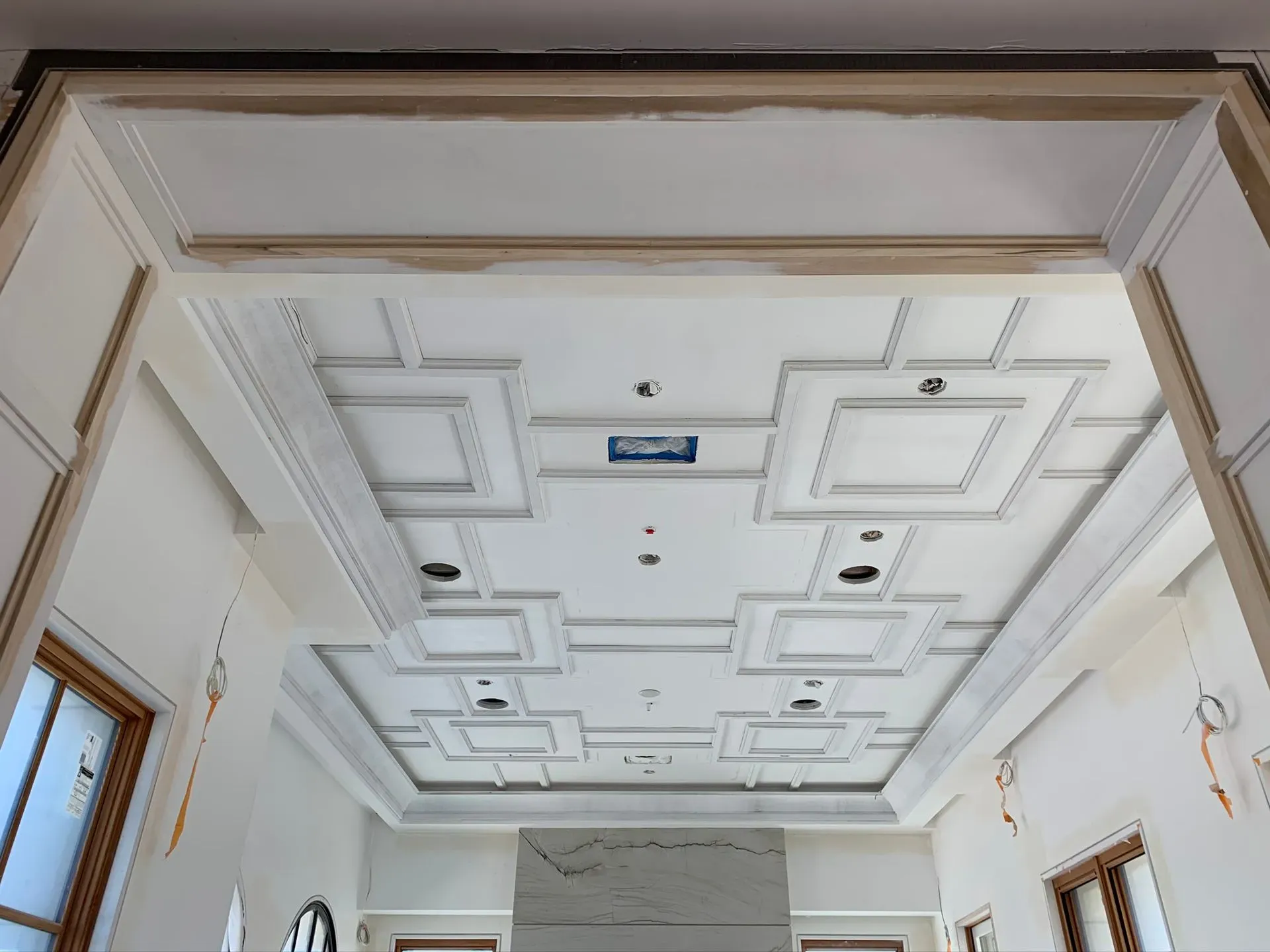
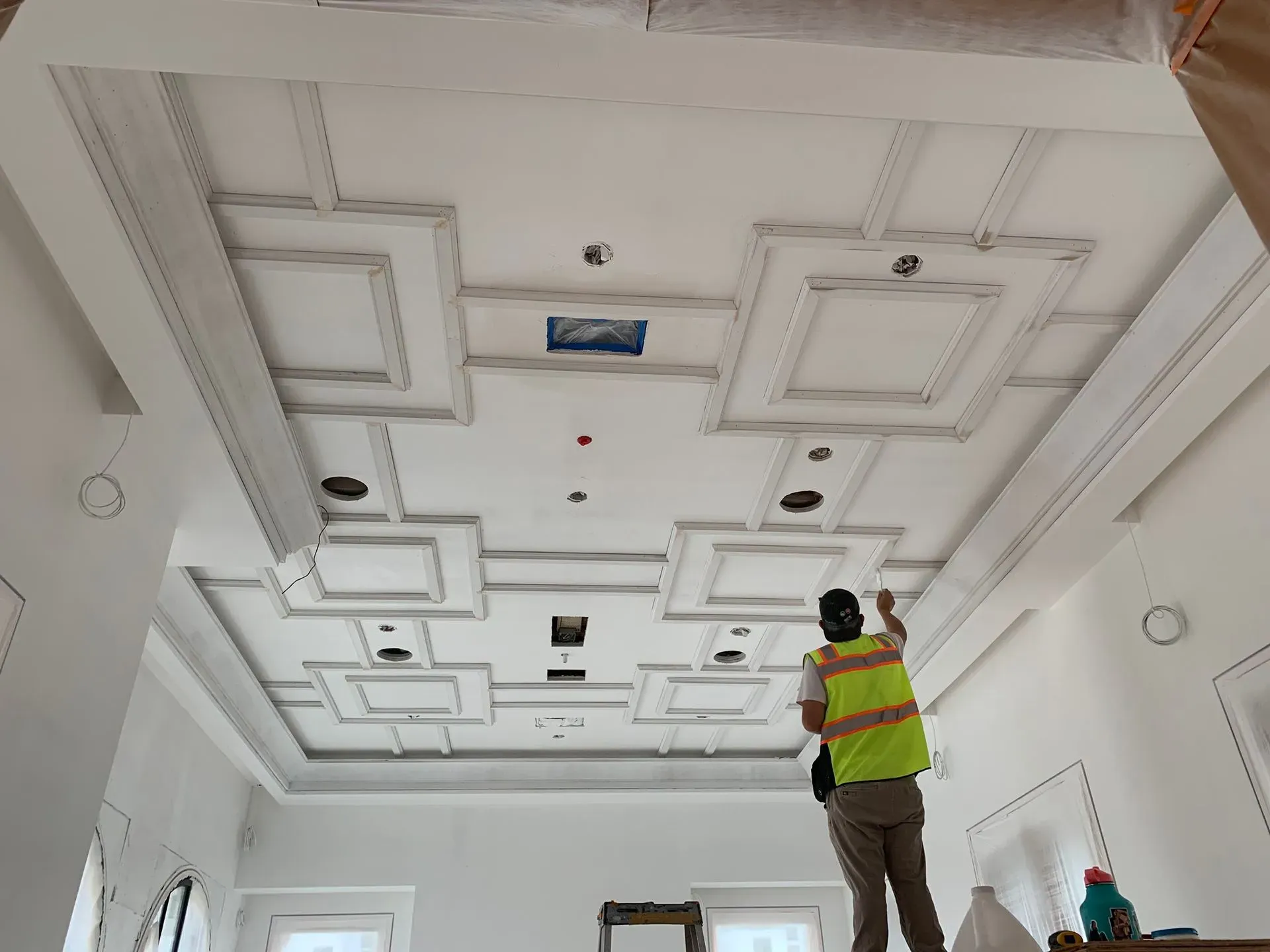
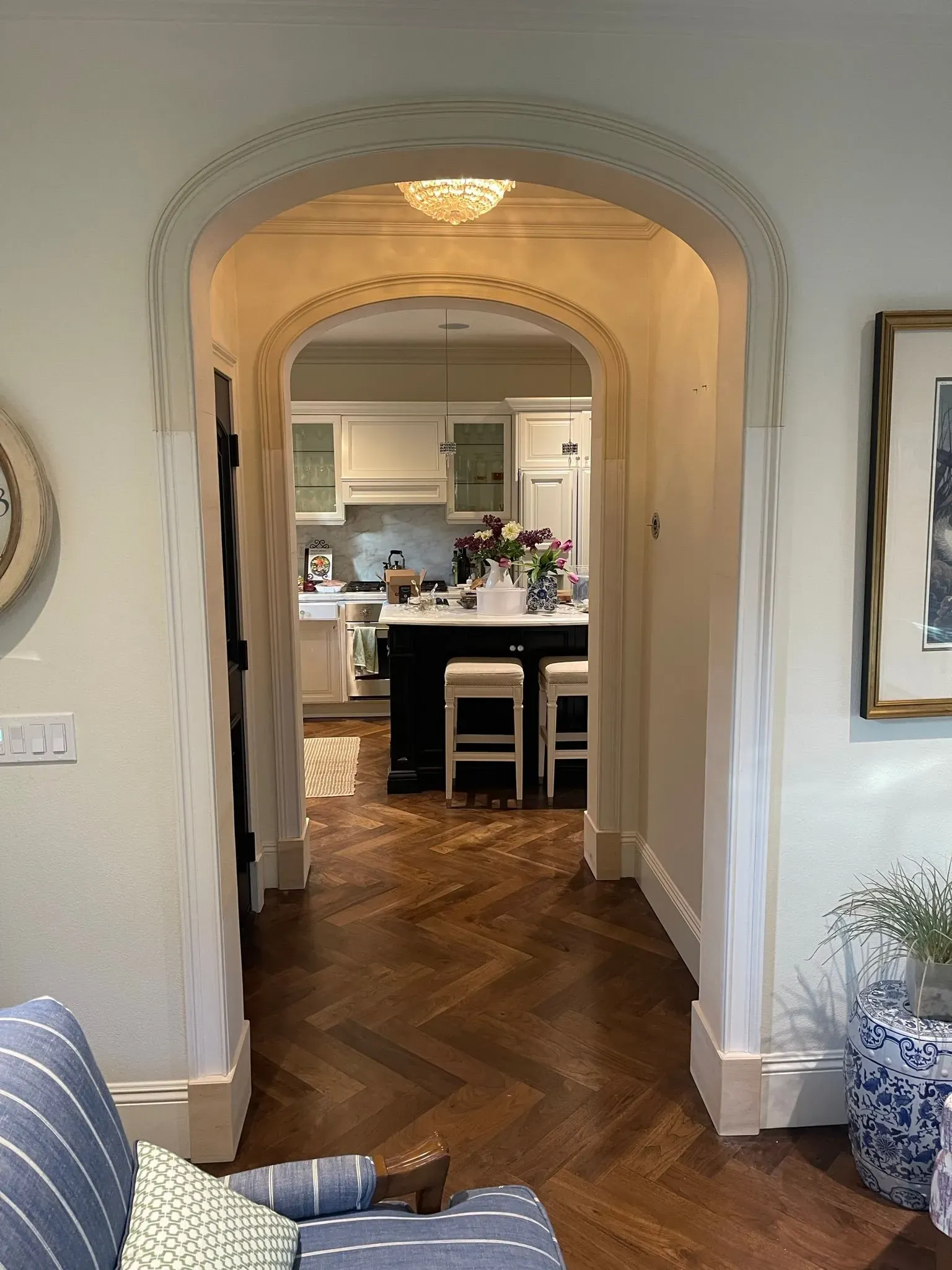
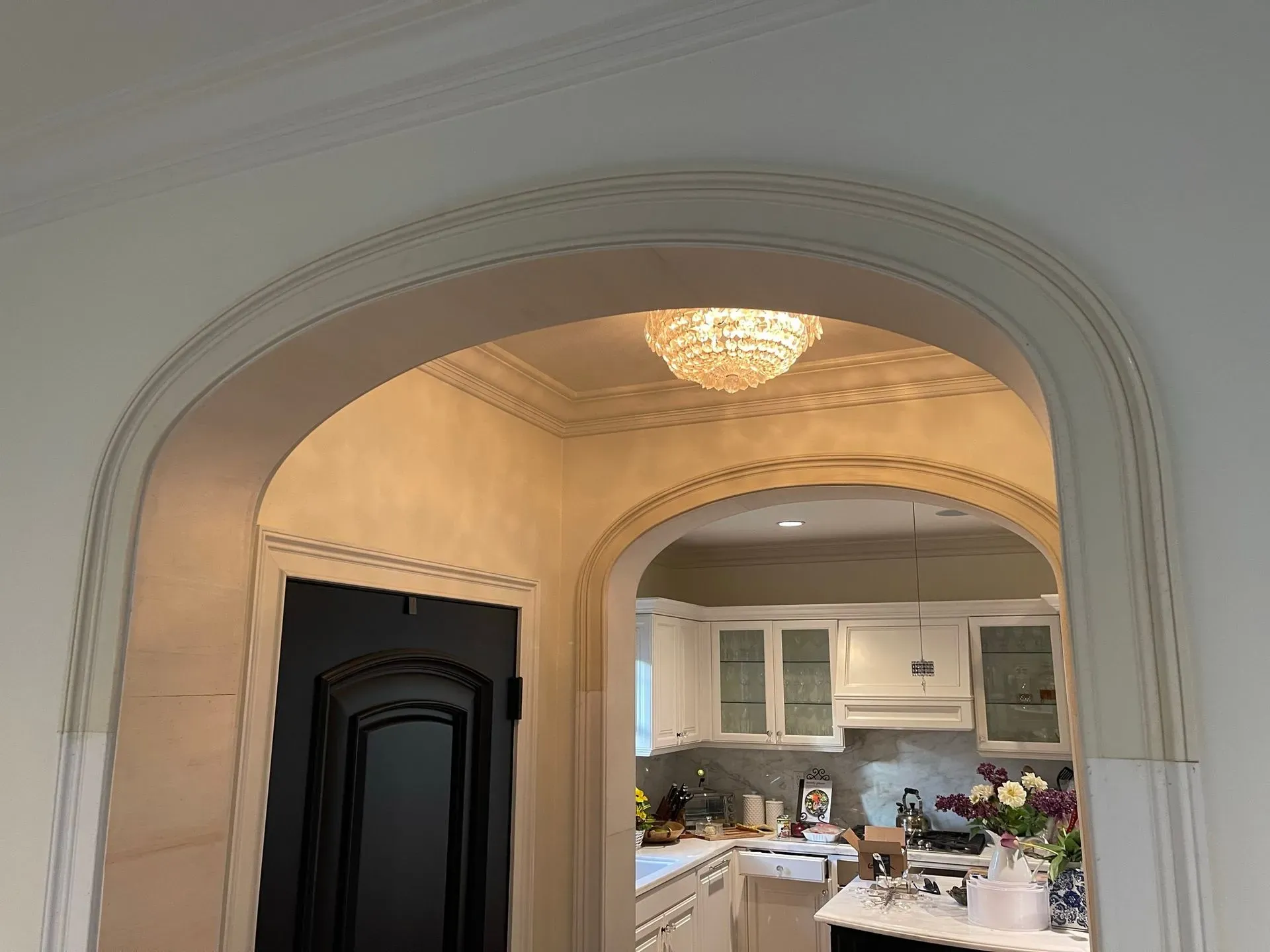
Crown molding profiles change the way ceilings meet walls, creating shadow lines that add depth and formality to dining rooms, living areas, and entryways. Tellico Woodworks crafts custom architectural moldings, carved appliques, columns, wainscoting accents, and trim profiles that align with the home's existing design language, whether that involves traditional stepped crown, simplified craftsman casing, or decorative corbels that support mantels and archways. Each profile is milled to exact dimensions and installed with precision joinery so that corners meet cleanly and reveals remain consistent across the room.
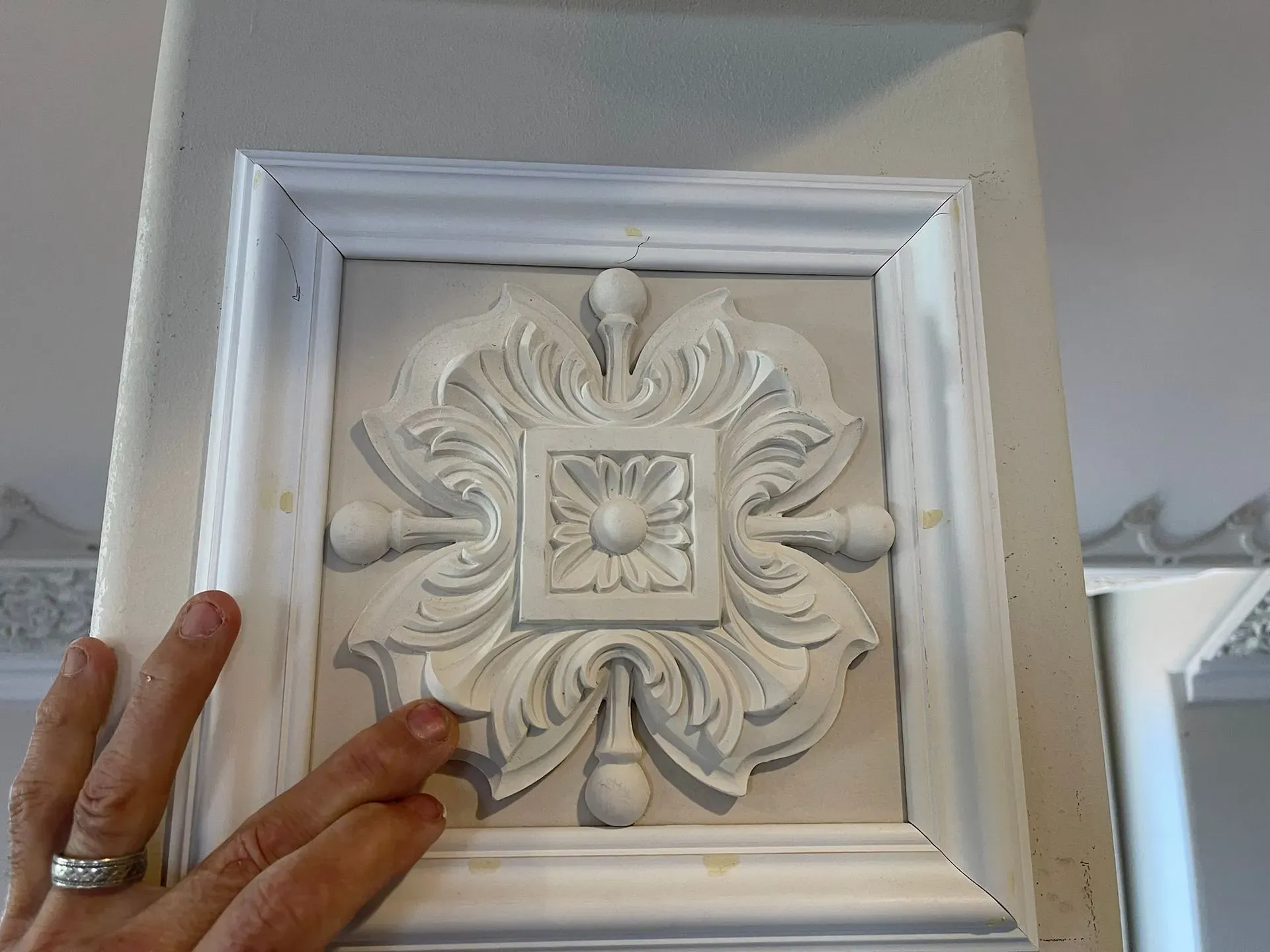
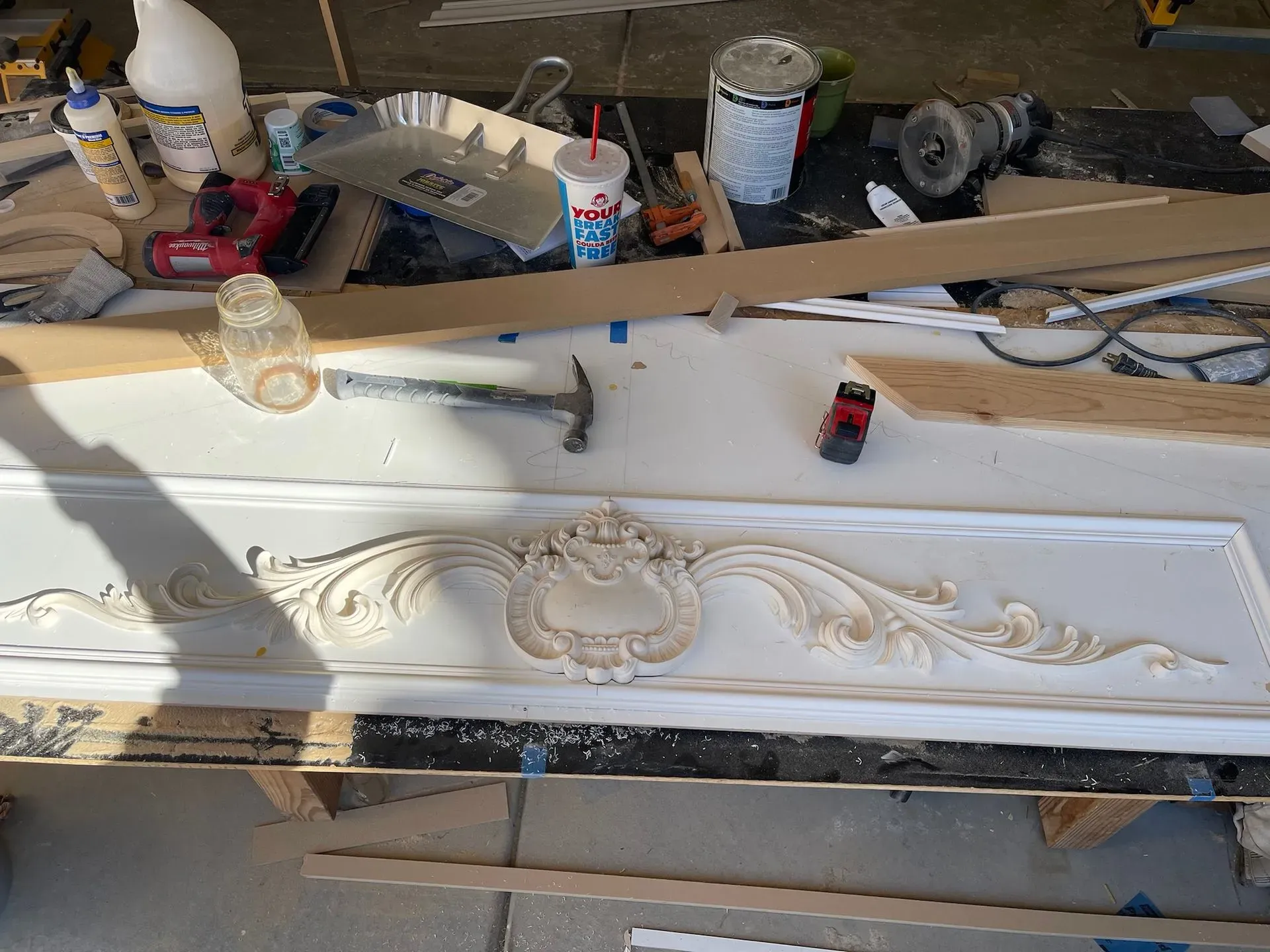
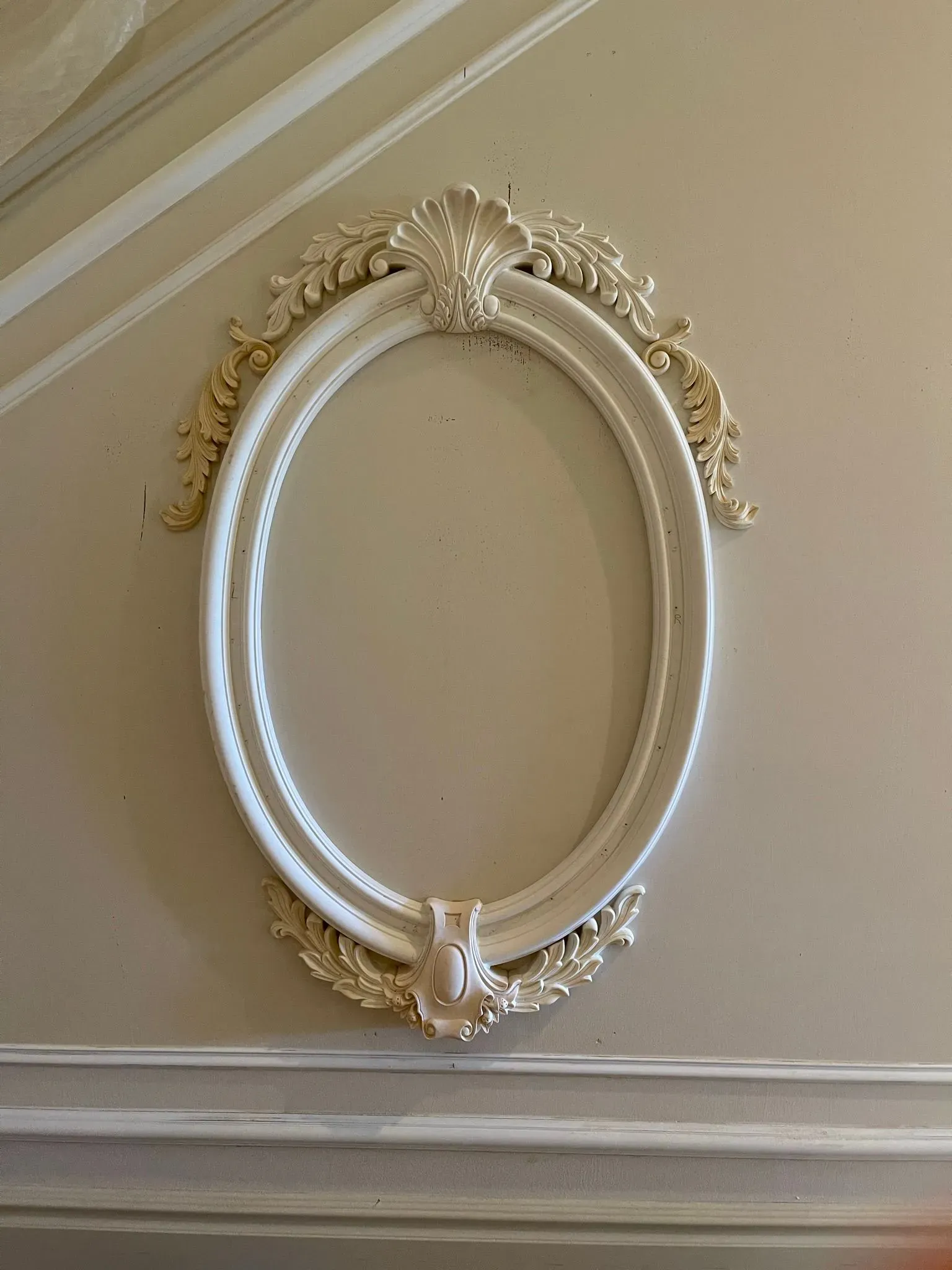
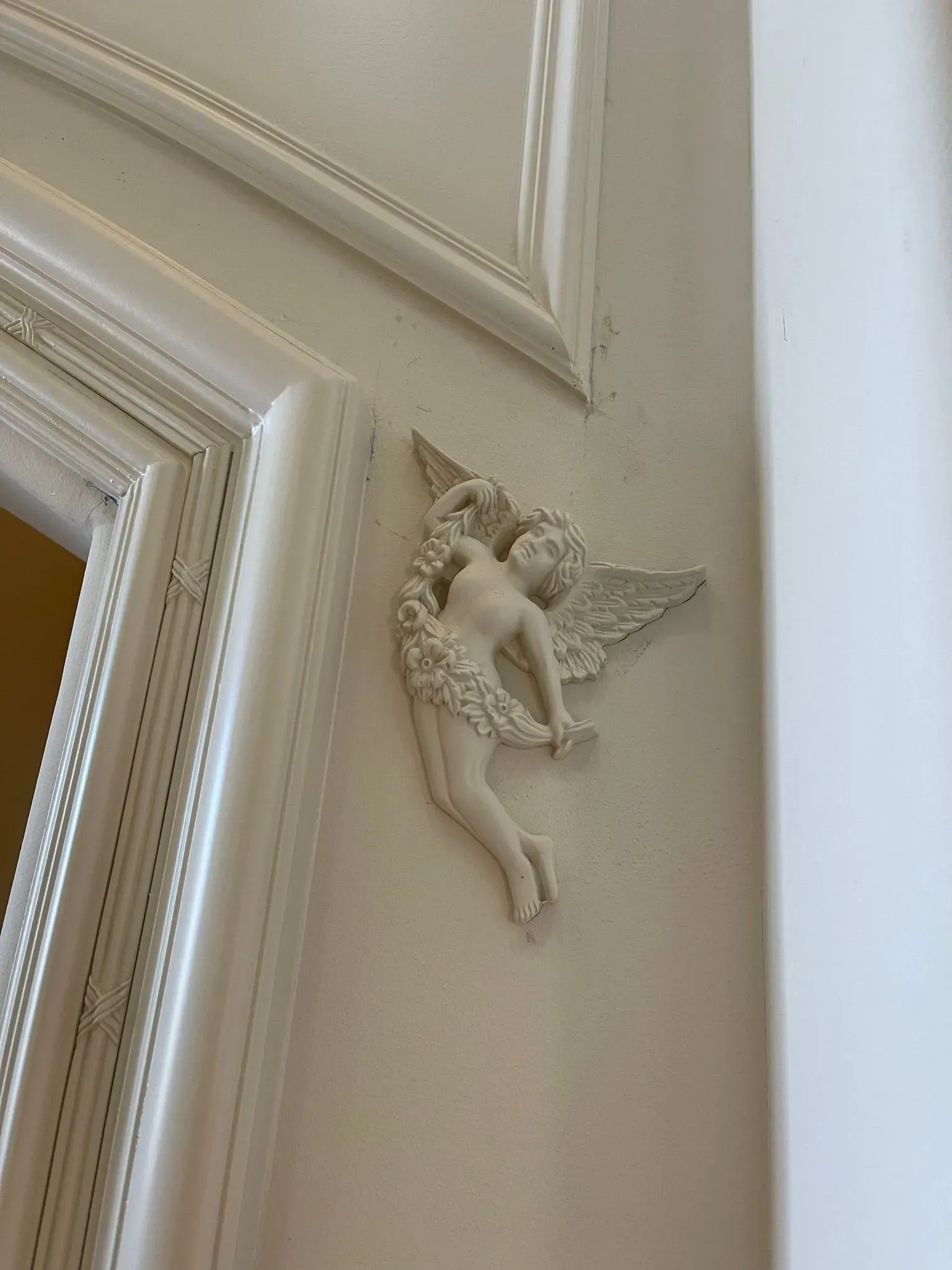
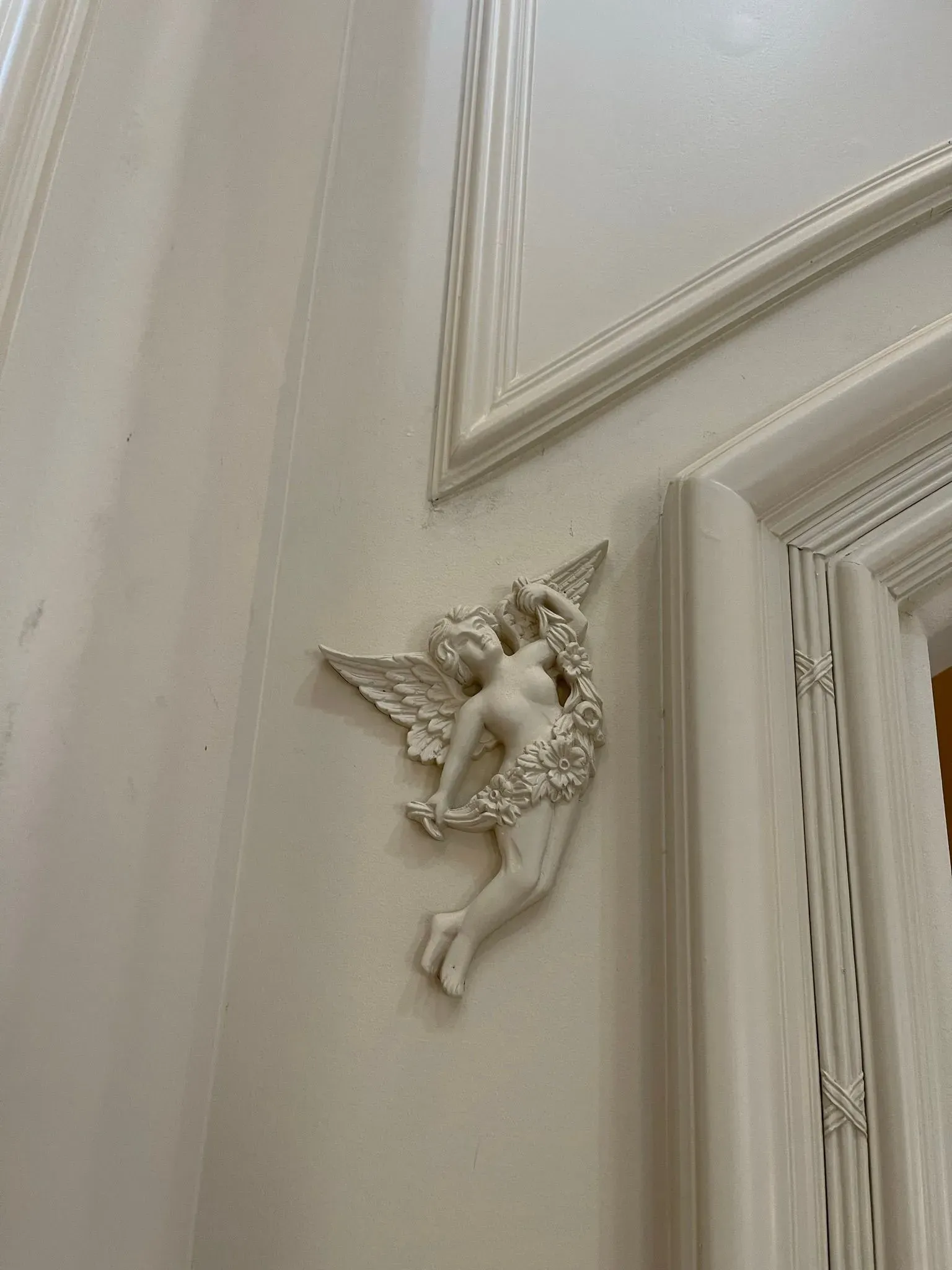
Handcrafted woodworking techniques allow for carved appliques that feature repeating motifs, floral details, or geometric patterns not available in stock millwork, and custom profiles can match historic trim found in older East Tennessee homes undergoing renovation. New construction, remodeling projects, and historic restorations all benefit from millwork designed to complement the scale and proportions of the specific room.
Request a design consultation to review architectural details and explore profile options for your interior spaces.
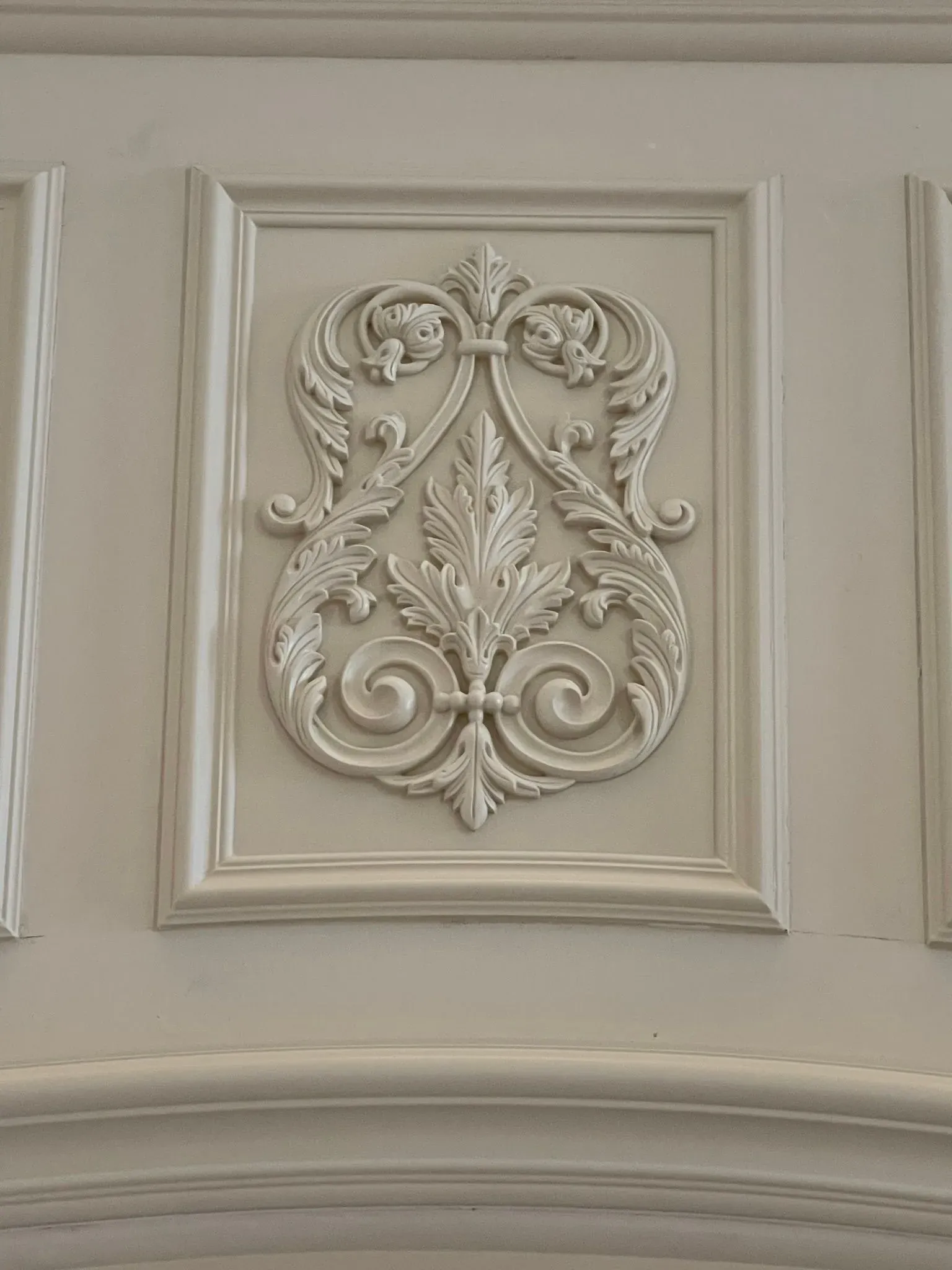
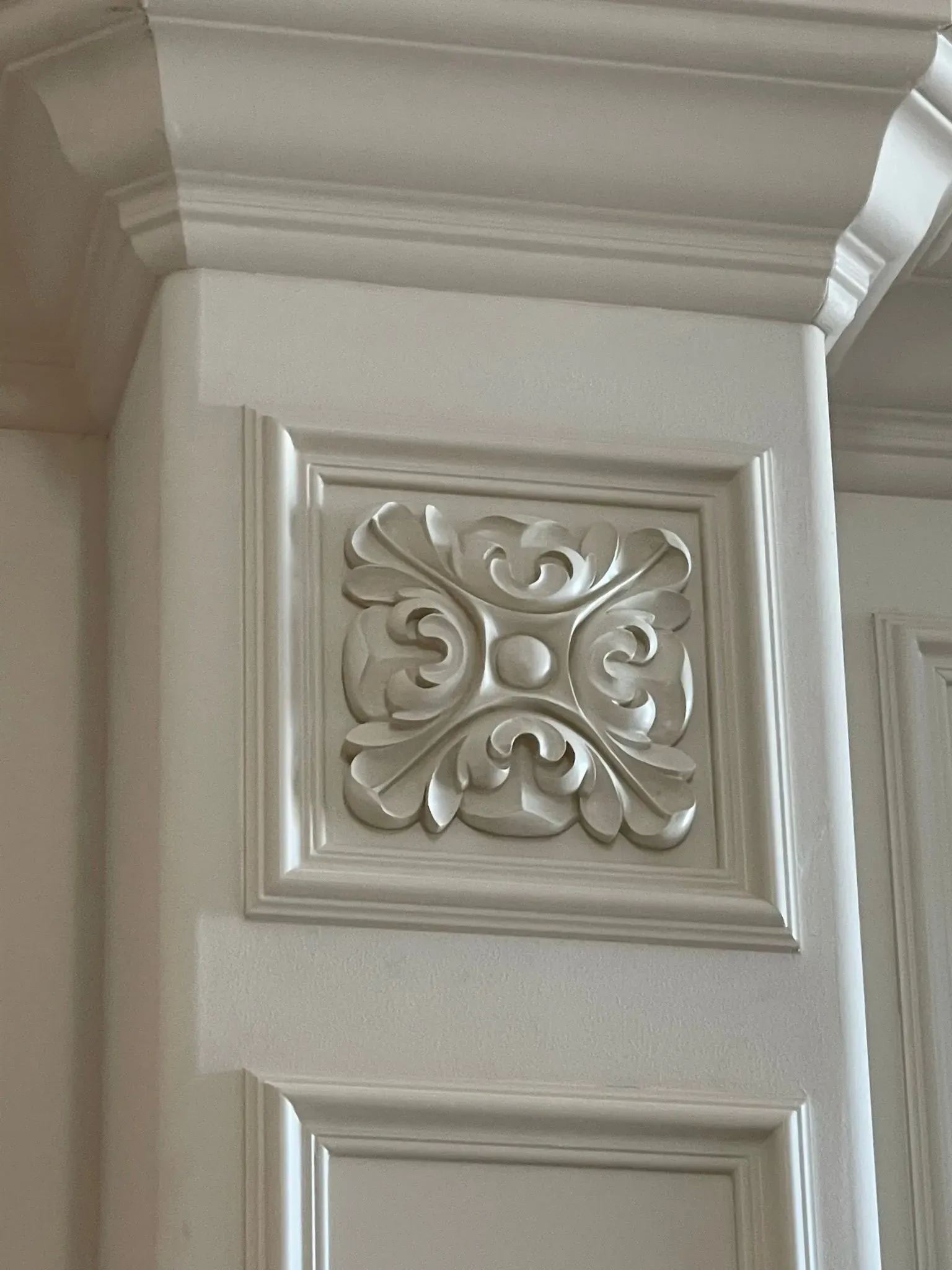
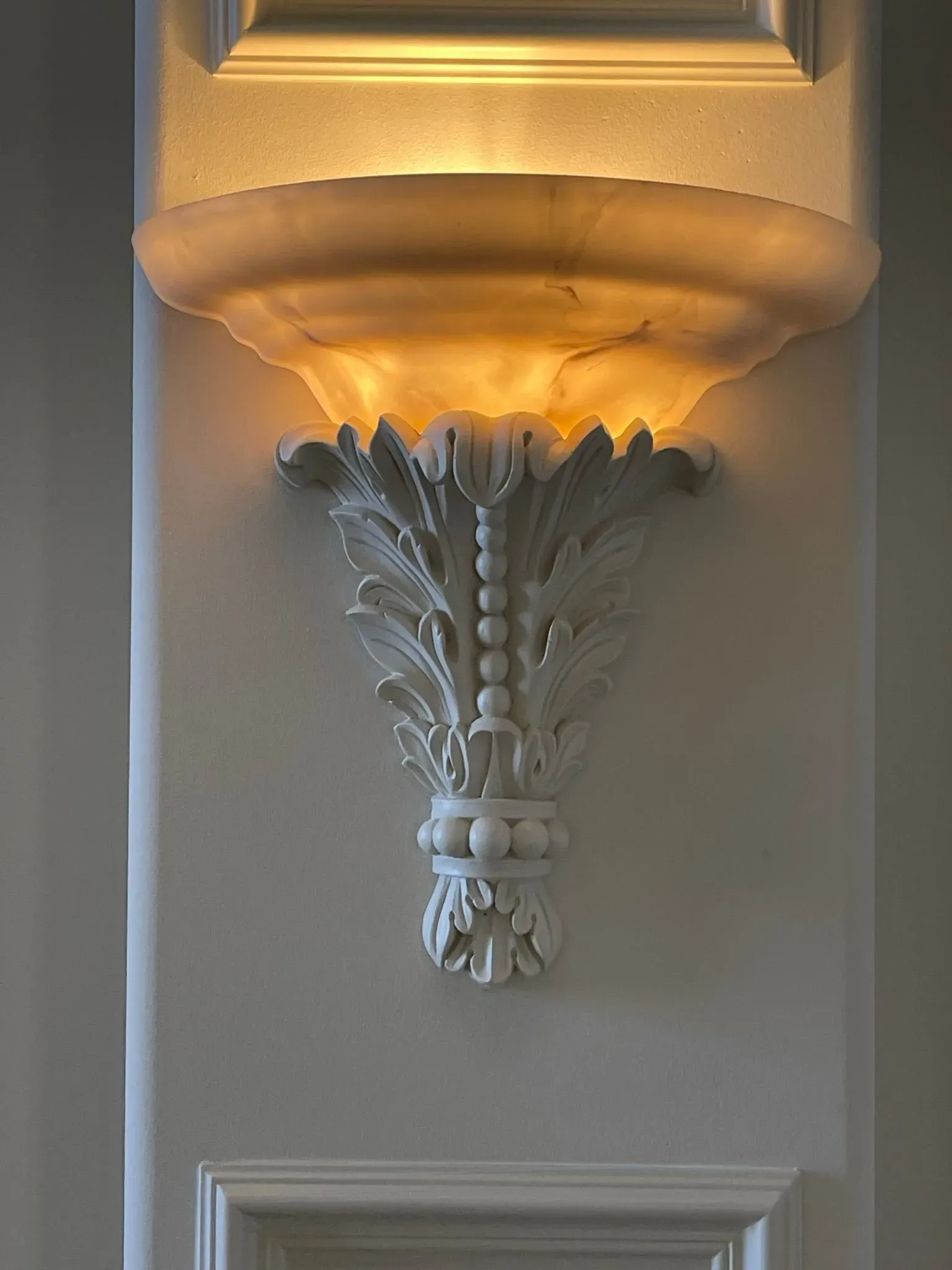
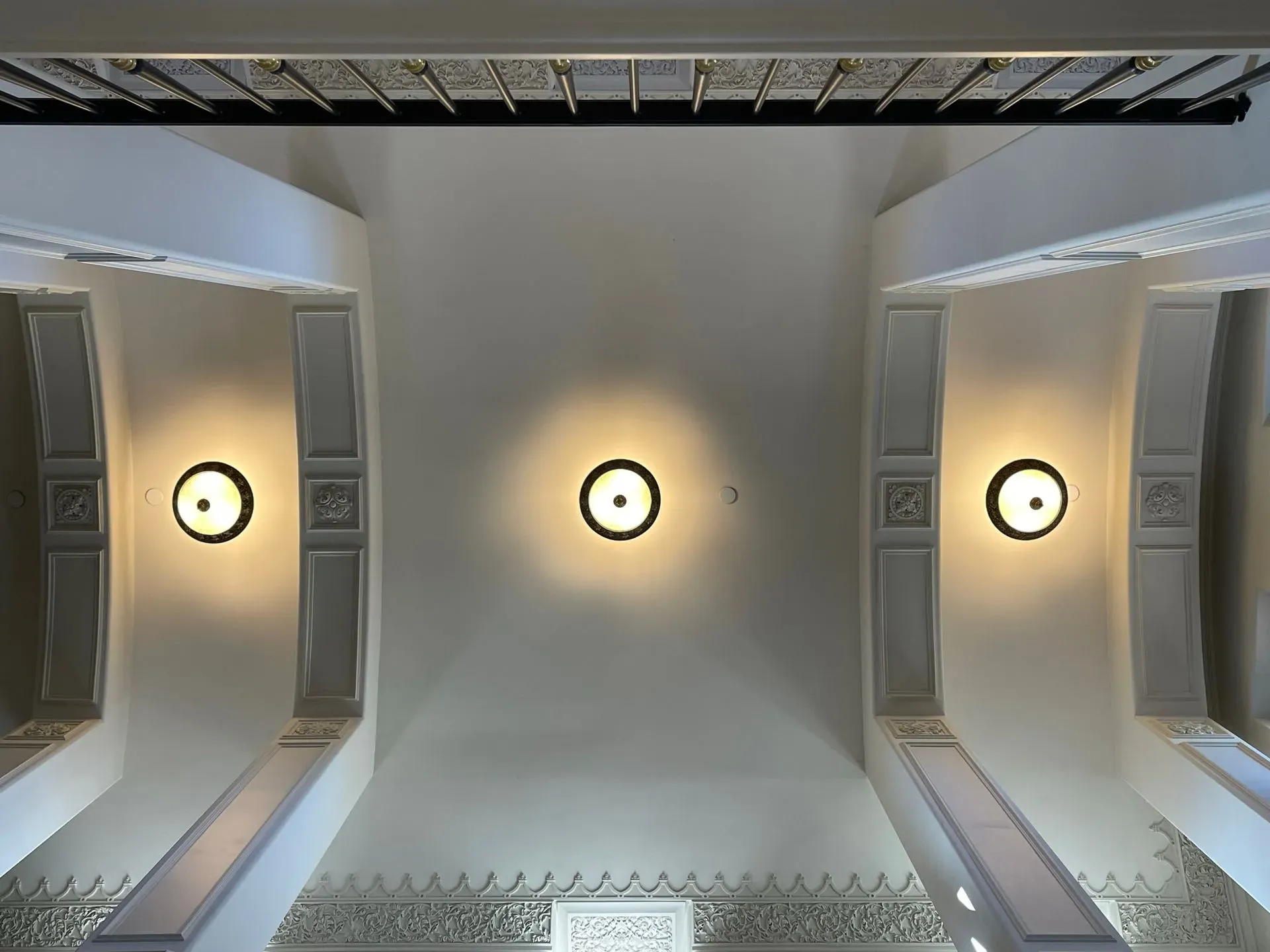
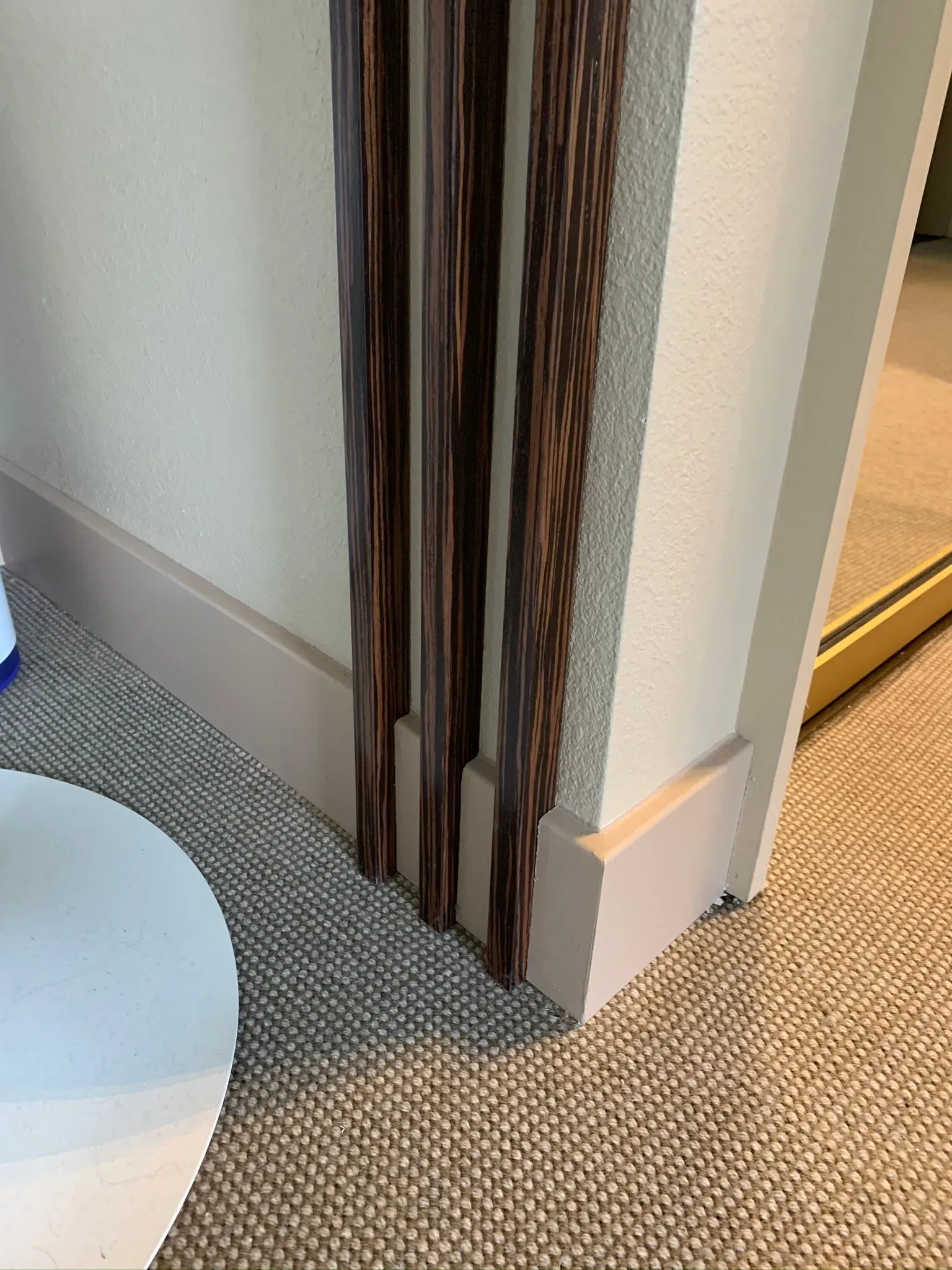
How Decorative Millwork Integrates with Structural Elements
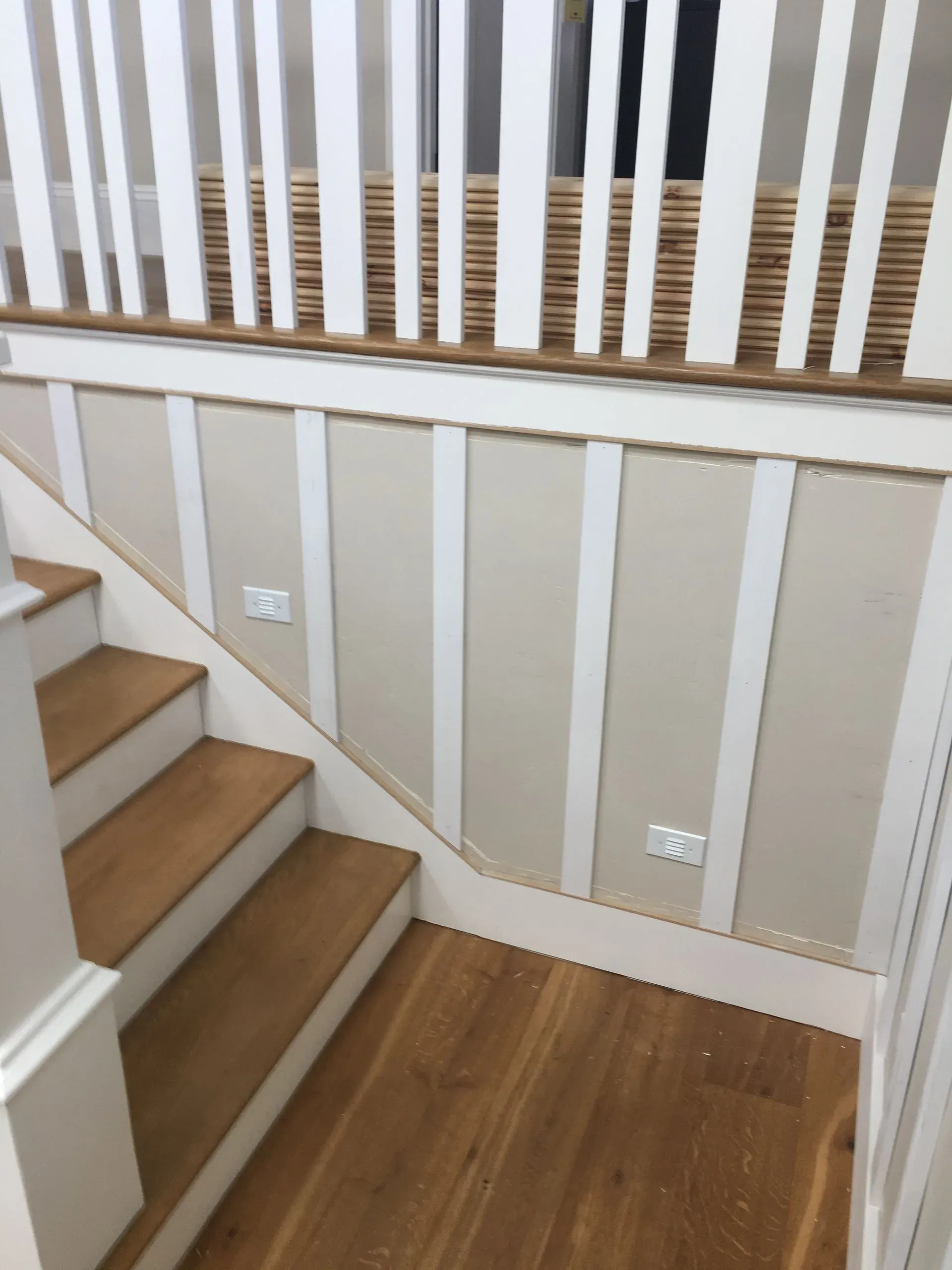
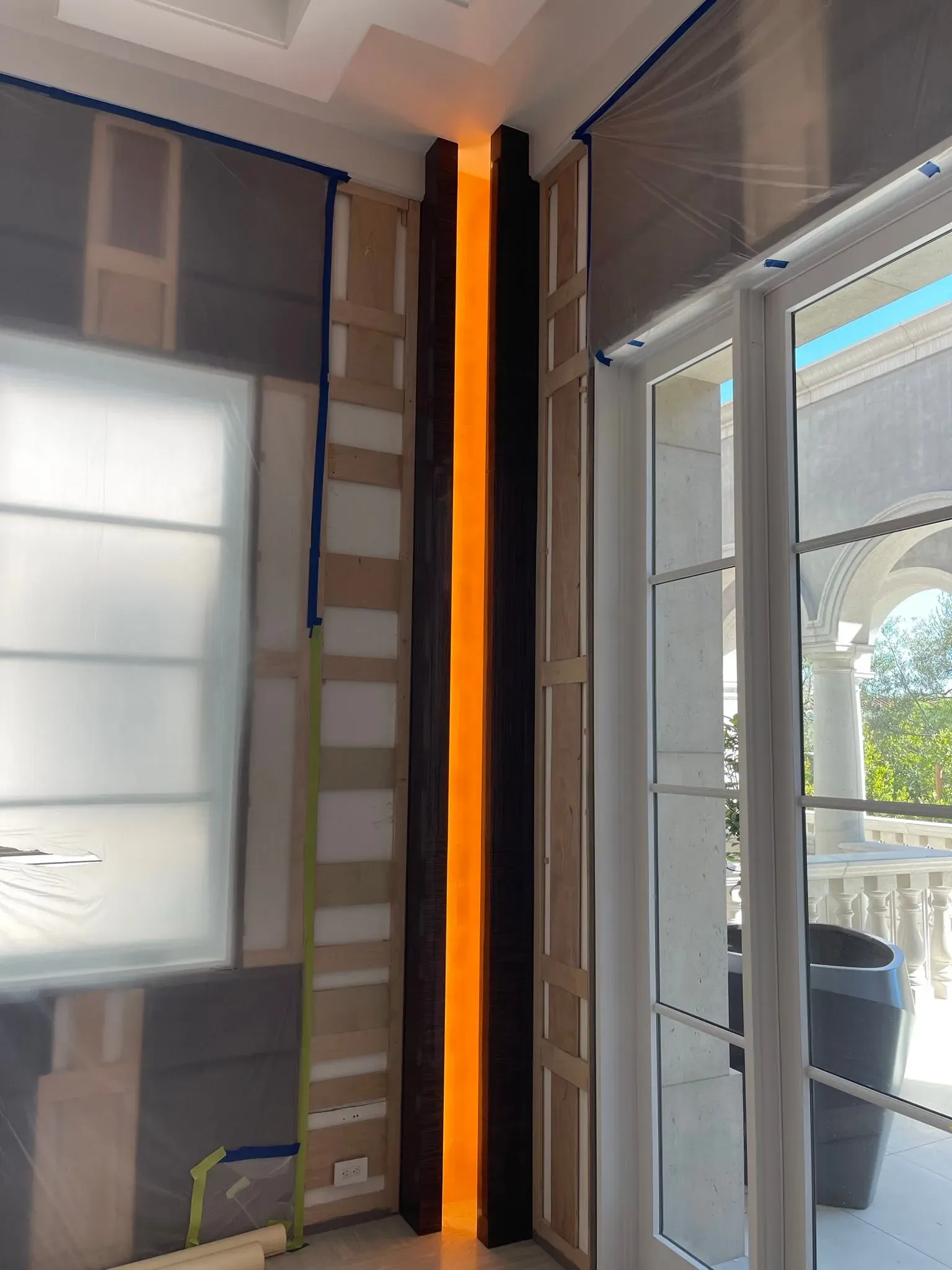
Installation begins by measuring ceiling heights, wall lengths, and door or window placements to determine where molding transitions occur and how profiles should scale to match the room's proportions. Carved appliques are positioned to frame focal points like fireplace surrounds or built-in cabinetry, while wainscoting accents establish a visual baseline that unifies wall treatments across connected spaces. Each piece is sanded, finished, and sealed before installation to avoid gaps in stain coverage along routed edges or carved details.
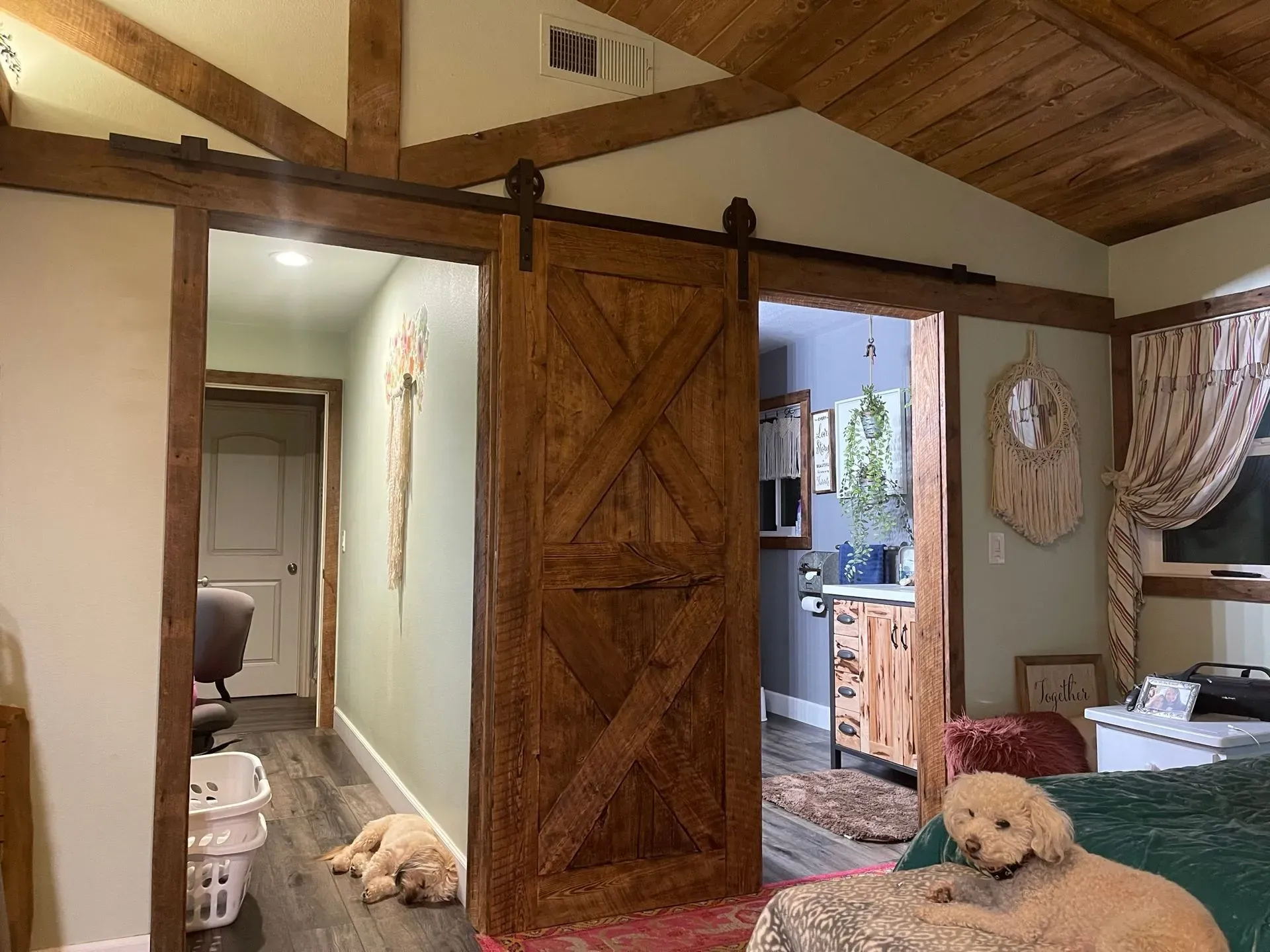
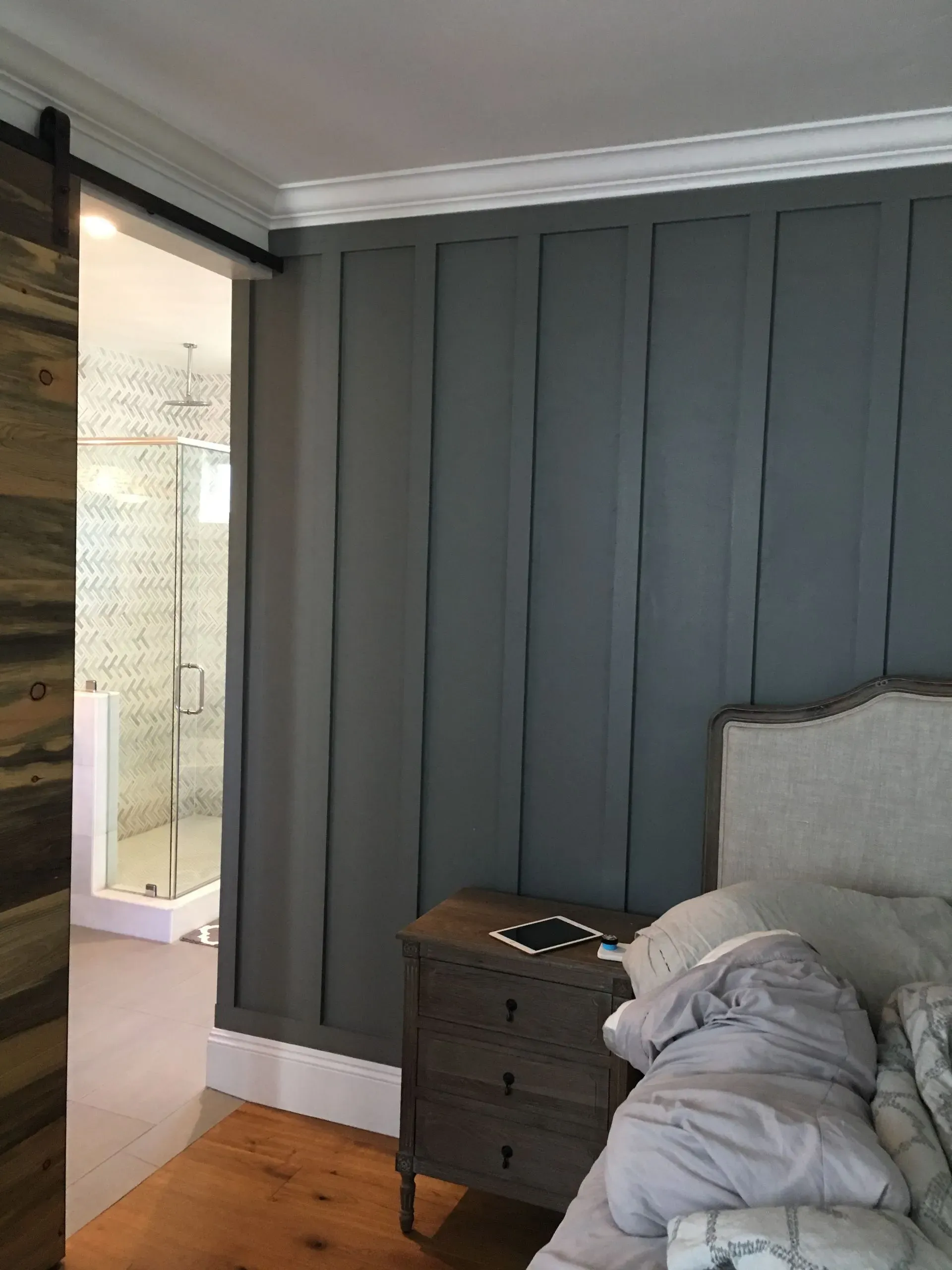
After installation, ceiling transitions appear deliberate rather than abrupt, door and window casings gain visual weight that balances the room, and applied details introduce texture that catches light throughout the day. Rooms feel more intentionally designed because architectural features guide the eye and create rhythm across walls and ceilings instead of leaving surfaces plain and undifferentiated.
Columns and pilasters add verticality to open floor plans, defining zones without closing off sightlines, while carved corbels provide structural support under countertops or shelving while serving as decorative accents. The combination of functional millwork and applied ornament creates layered interiors where each detail contributes to the overall composition.
Answers to Frequent Millwork Questions
Choosing the right profiles and placement depends on the home's architectural style, ceiling height, and how much visual detail suits the space.
What is the difference between applied molding and integral trim?
Applied molding is milled separately and installed onto flat surfaces to add detail, while integral trim is built into cabinetry, door frames, or paneling as part of the original construction rather than added later.
How do you match molding profiles to an existing home style?
Profile selection considers the home's era, the scale of existing trim, and whether the design vocabulary leans traditional, transitional, or contemporary, with stepped crown and detailed casings suiting formal interiors and simpler profiles working in modern spaces.
Can carved appliques be customized to include specific motifs?
Custom carving allows for personalized designs, family crests, or regional symbols to be incorporated into mantels, door headers, or cabinet panels, though intricate patterns require additional milling time and detailed drawings before production begins.
Why does crown molding installation require precise corner work?
Crown molding sits at an angle between the wall and ceiling, meaning each corner joint involves compound miter cuts that must account for both the molding's spring angle and the wall corner's actual degree, which is rarely exactly ninety degrees in older construction.
What wood species hold fine carved detail without chipping?
Cherry, maple, and walnut accept detailed carving cleanly because of their tight grain structure, while softer species like pine may require deeper relief cuts to avoid fuzzy edges along intricate curves and delicate features.
Tellico Woodworks designs and installs architectural moldings that refine interior spaces with handcrafted details scaled to your home's proportions. Contact us to discuss profile options and schedule an evaluation for your millwork project.