
Storage That Stays Visible and Accessible
Floating Shelves in Tellico Plains for walls where floor cabinets waste vertical space and items get buried behind closed doors
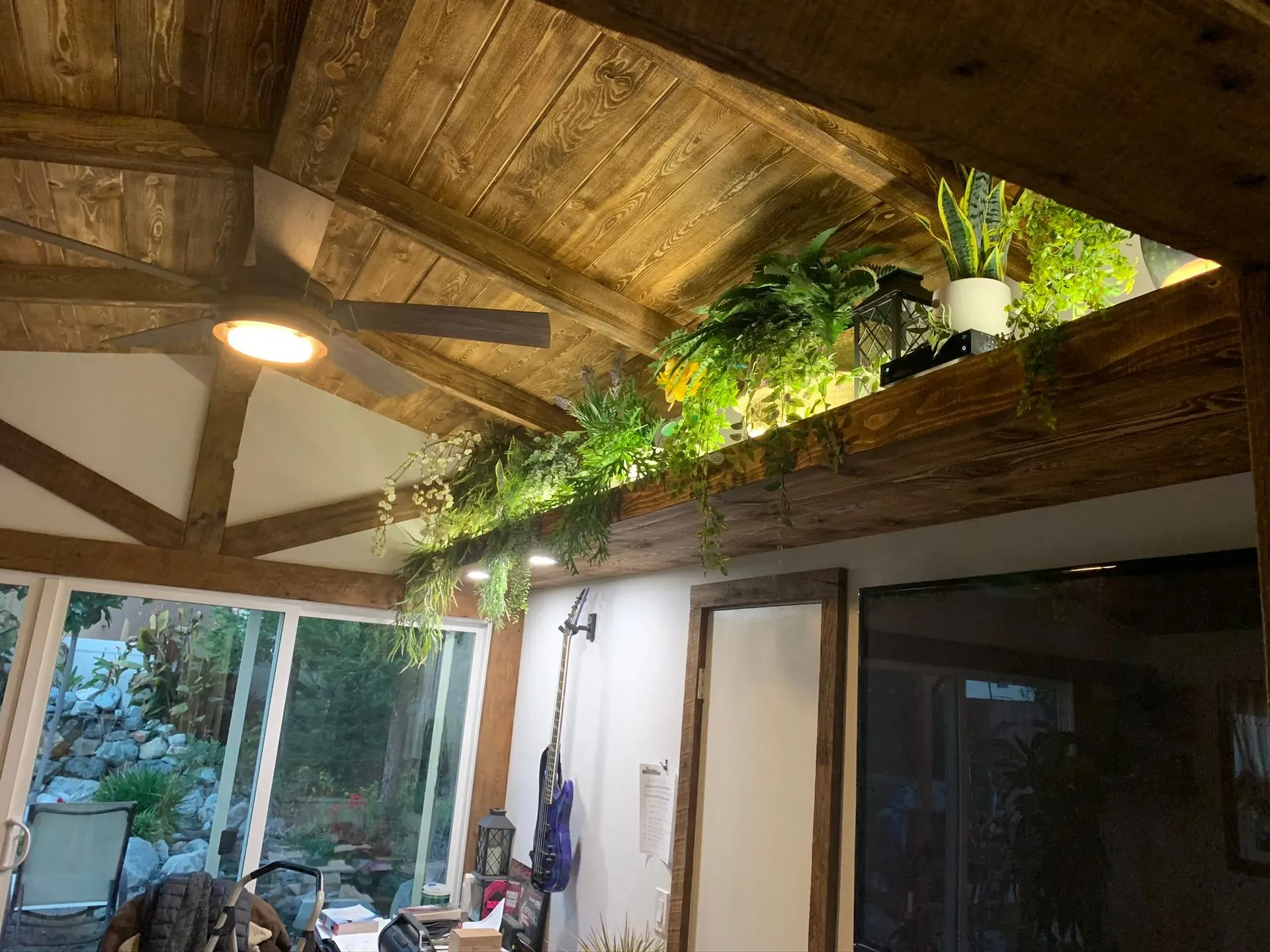
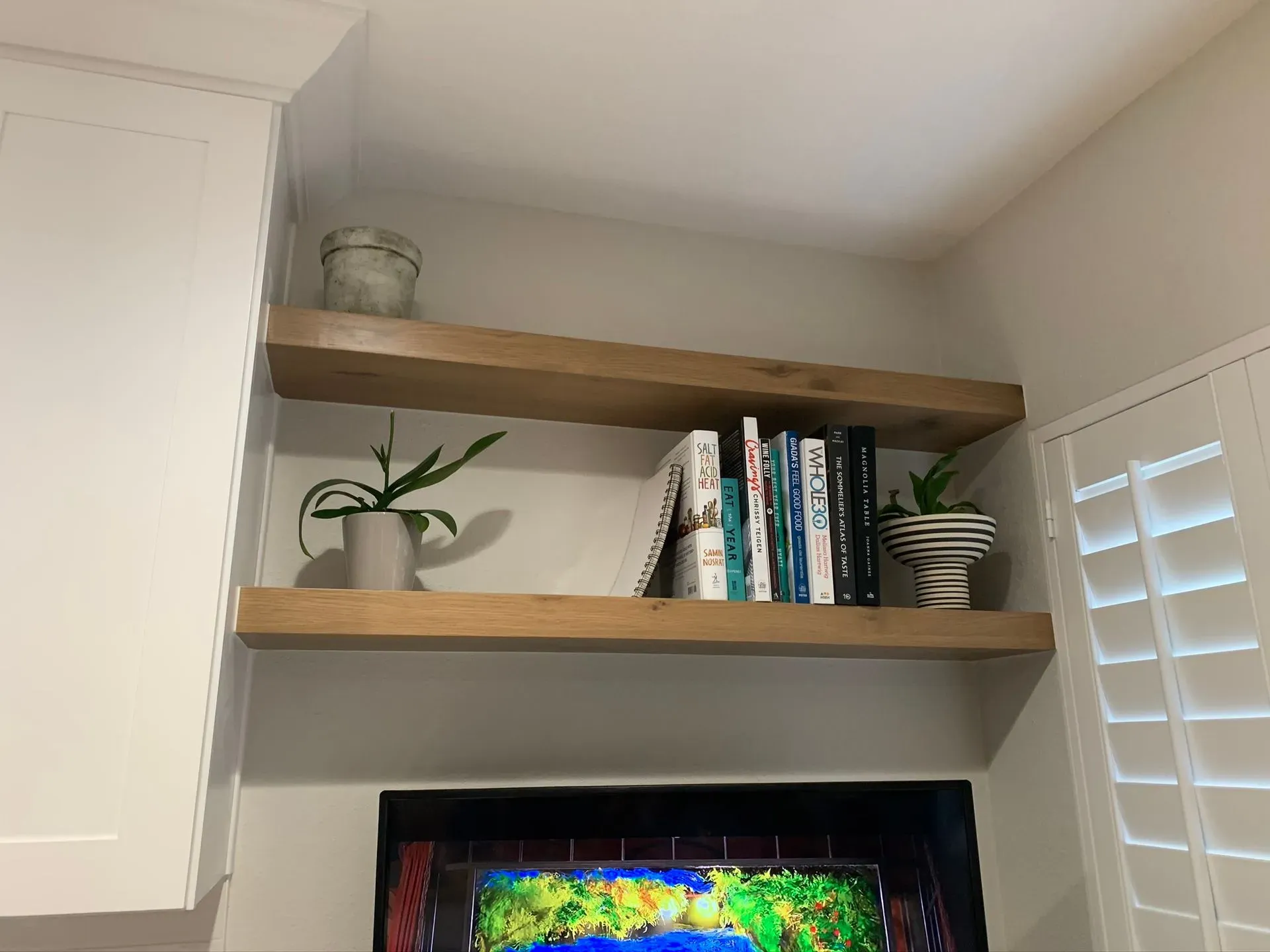
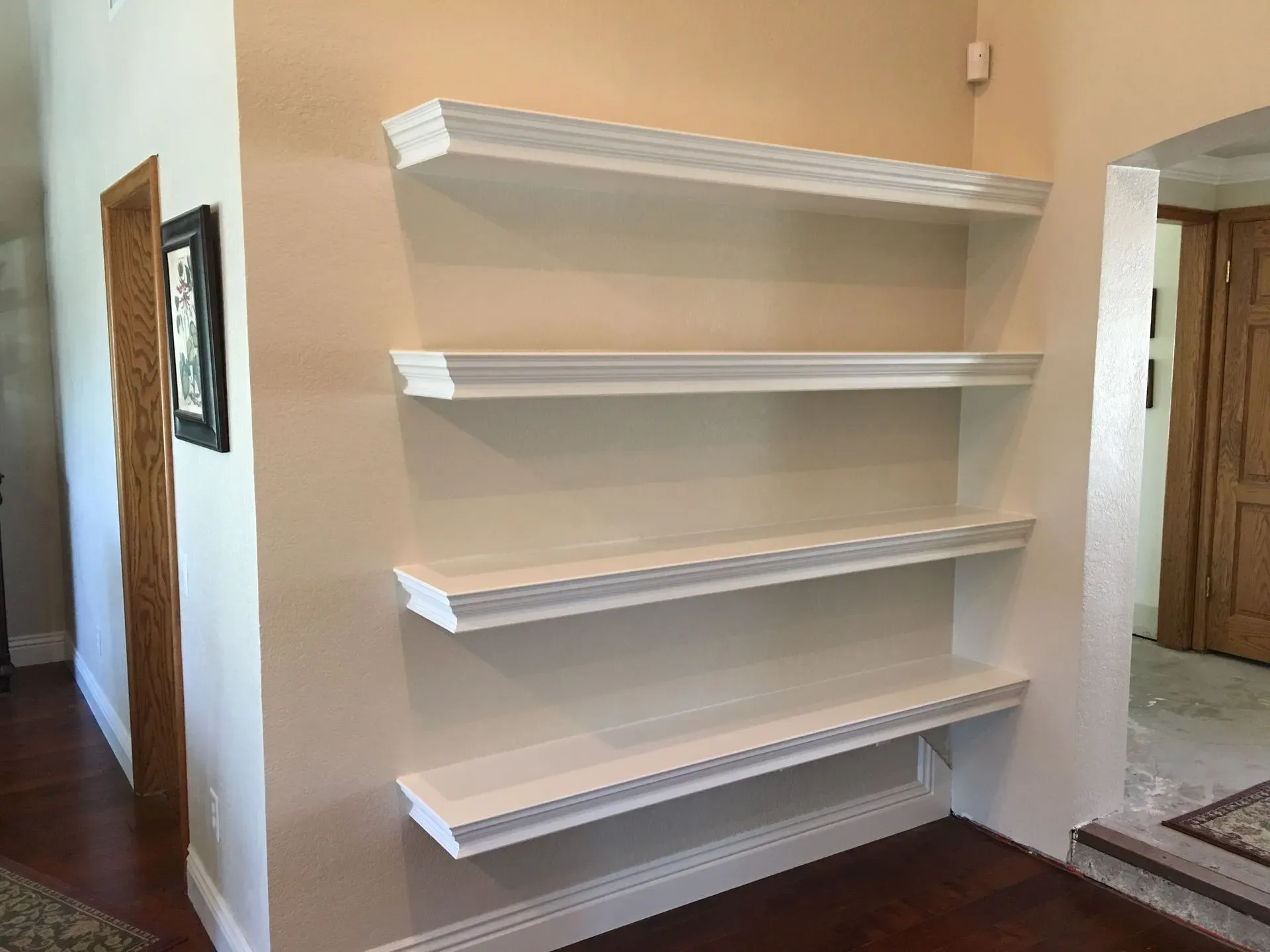
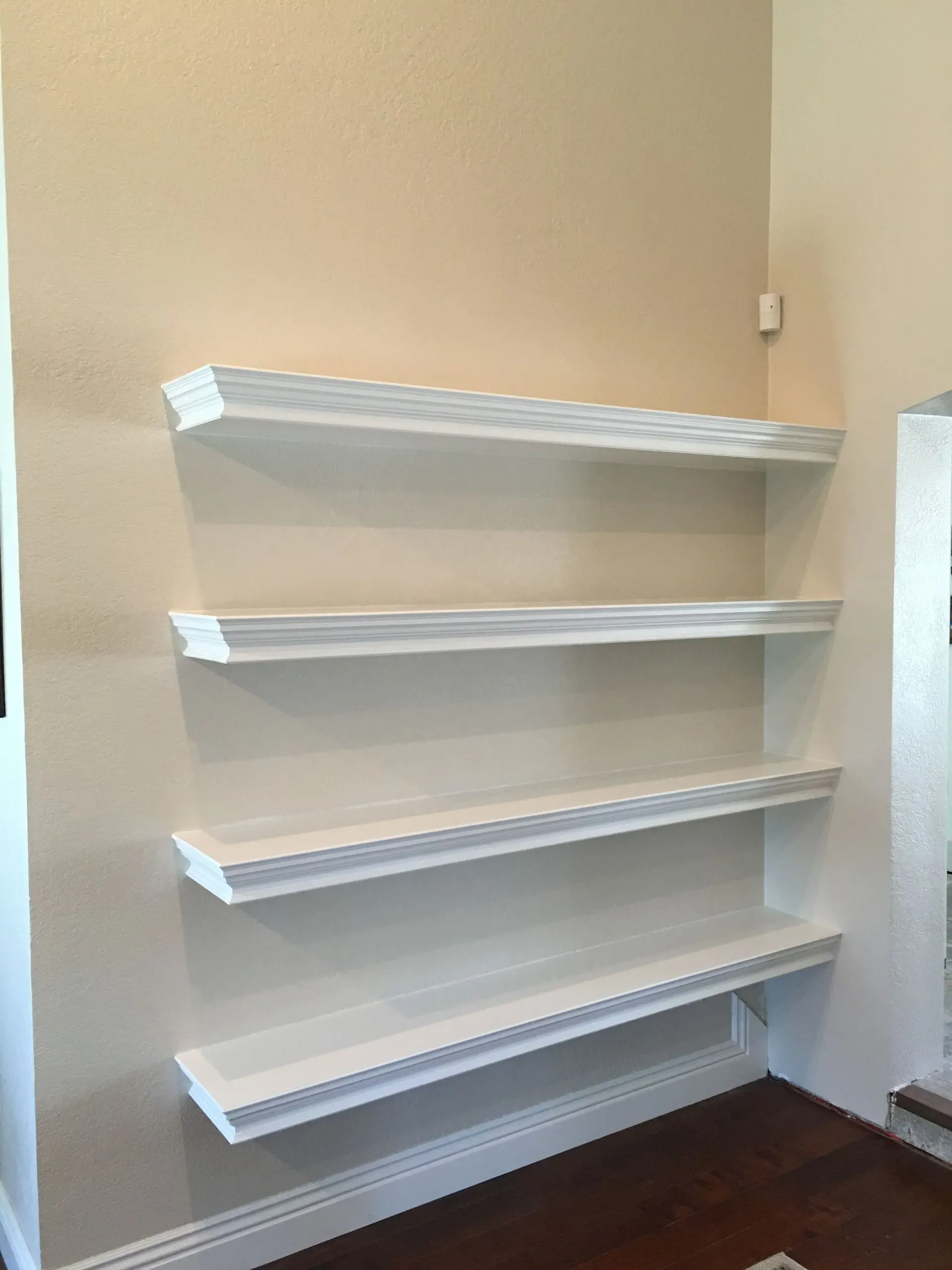
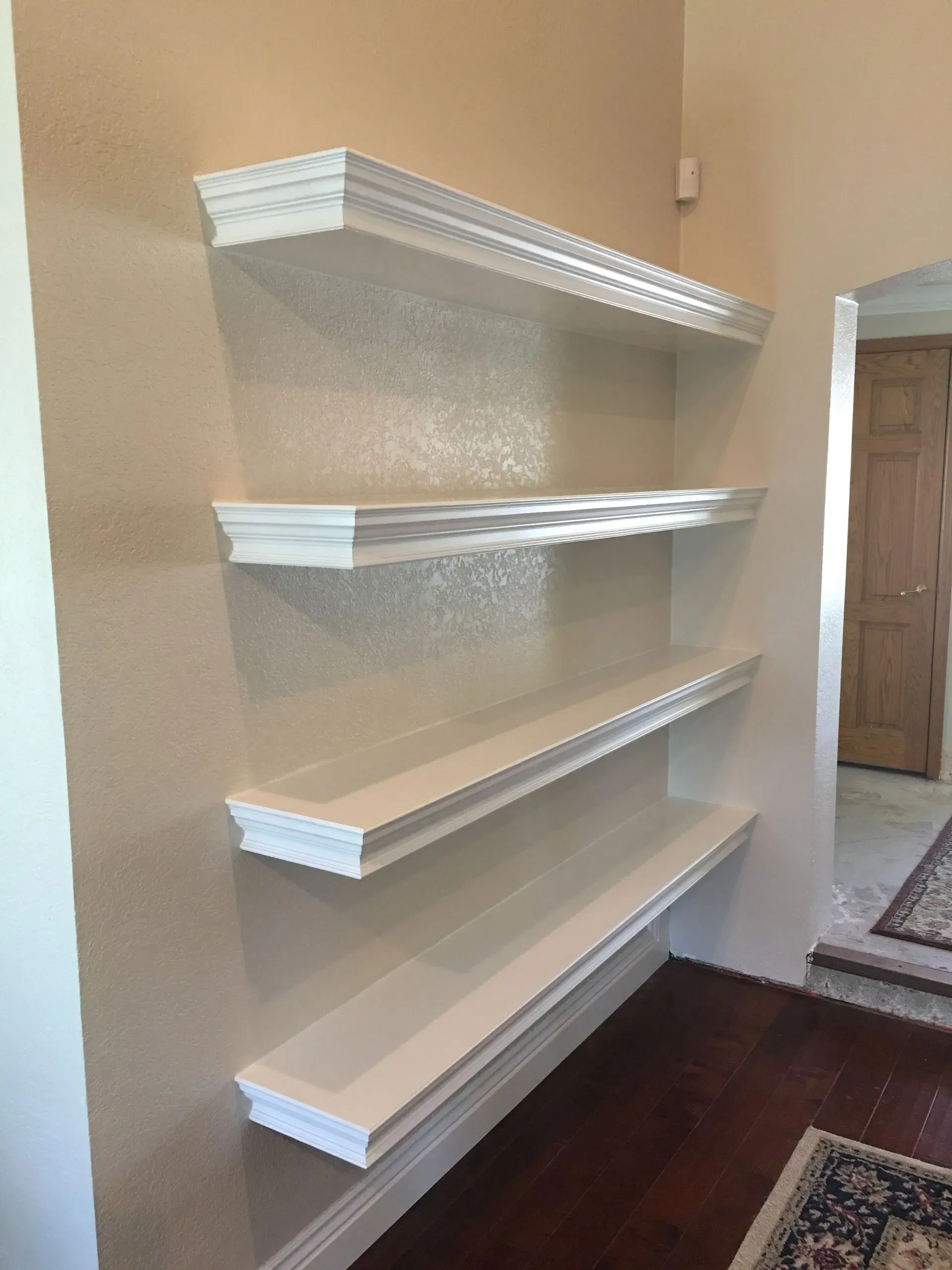
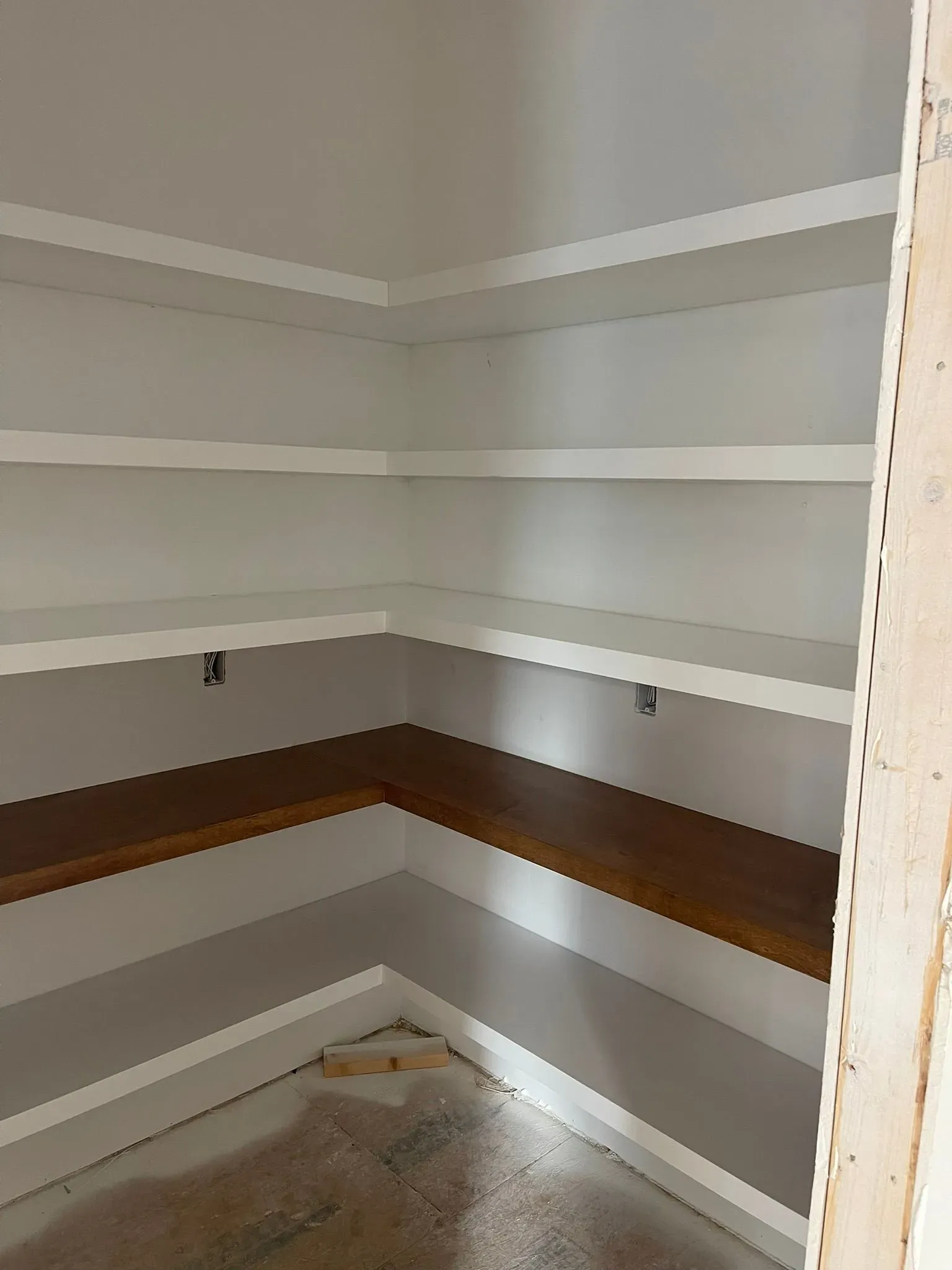
Handcrafted floating shelves provide open storage that keeps frequently used items within reach while displaying books, kitchen accessories, decorative objects, and everyday essentials without requiring floor space or bulky cabinetry. Tellico Woodworks builds each shelf to custom sizing based on the wall length, desired load capacity, and the specific items the shelf will hold, with hardwood selections, stain colors, and edge profiles chosen to match existing cabinetry, trim, or furniture in the room. Mounting hardware is concealed within the shelf structure, creating a clean appearance where the wood appears to extend directly from the wall without visible brackets or supports.
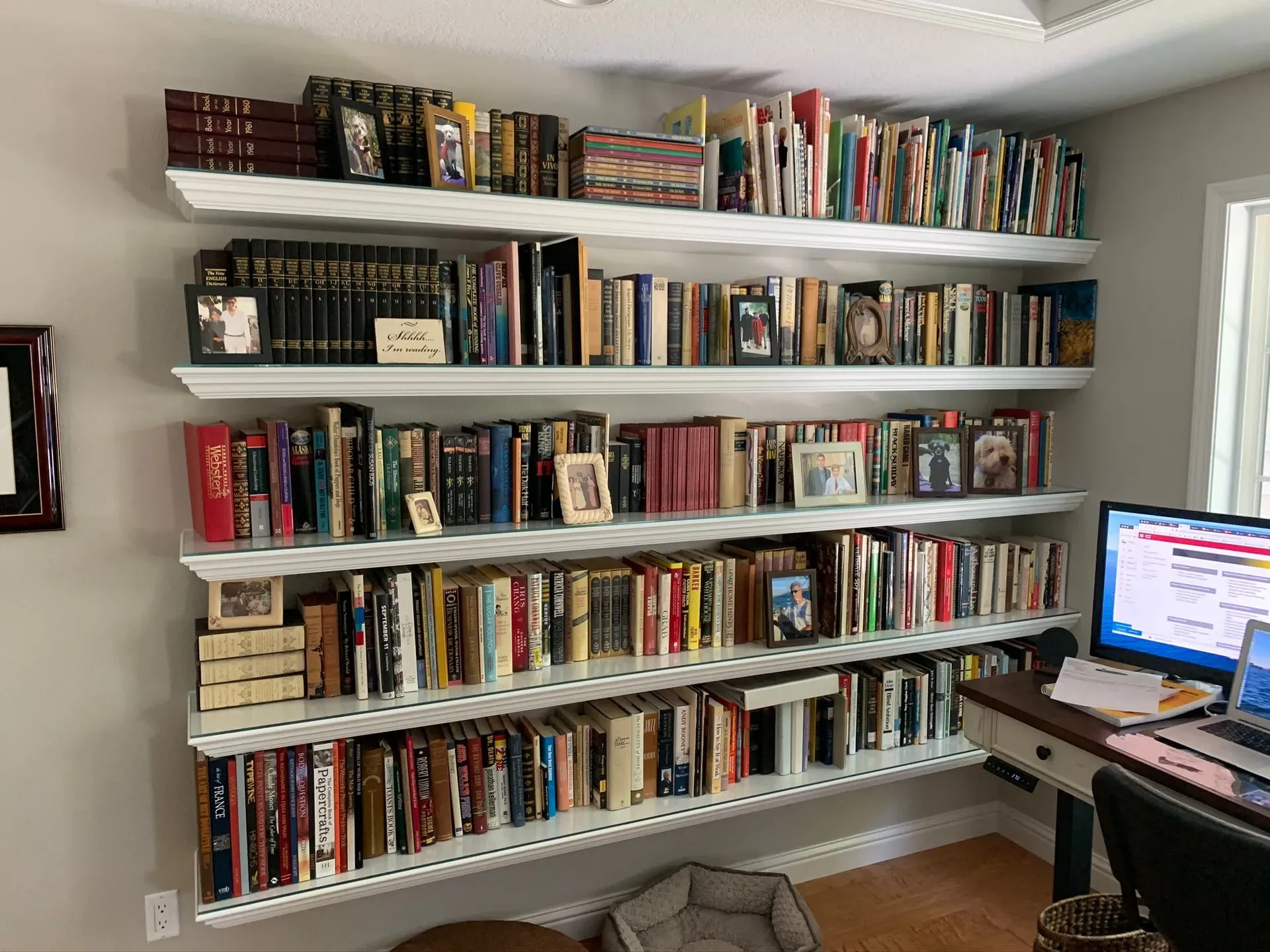
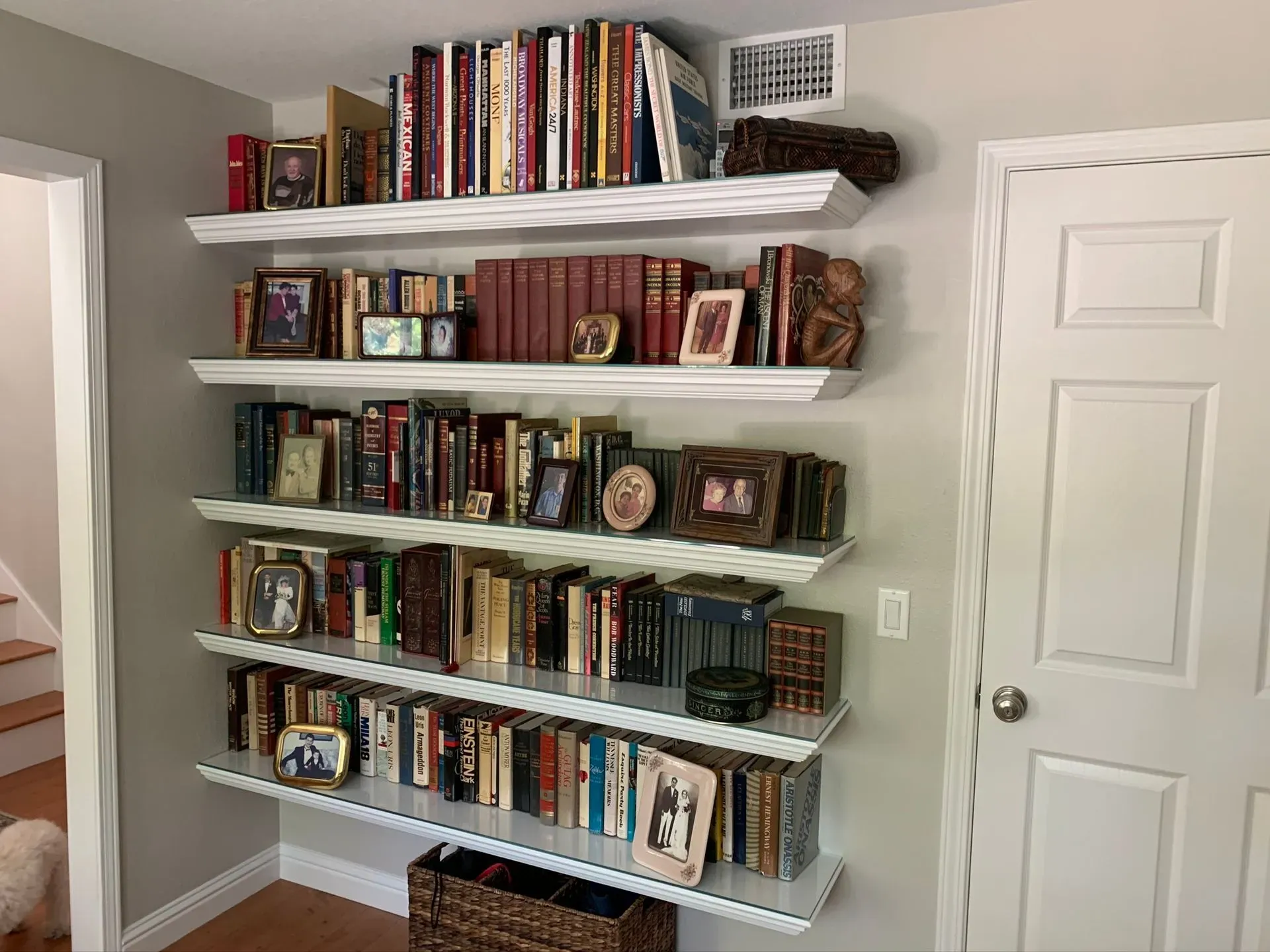
Durable construction allows shelves to support the weight of ceramic dishes, hardcover book collections, potted plants, and other substantial items without sagging over time. Kitchens, living rooms, bathrooms, offices, and commercial interiors all benefit from shelving that maximizes usable wall space while keeping contents visible and organized.
Schedule a consultation to review wall dimensions and discuss shelf configurations suited to your storage and display needs.
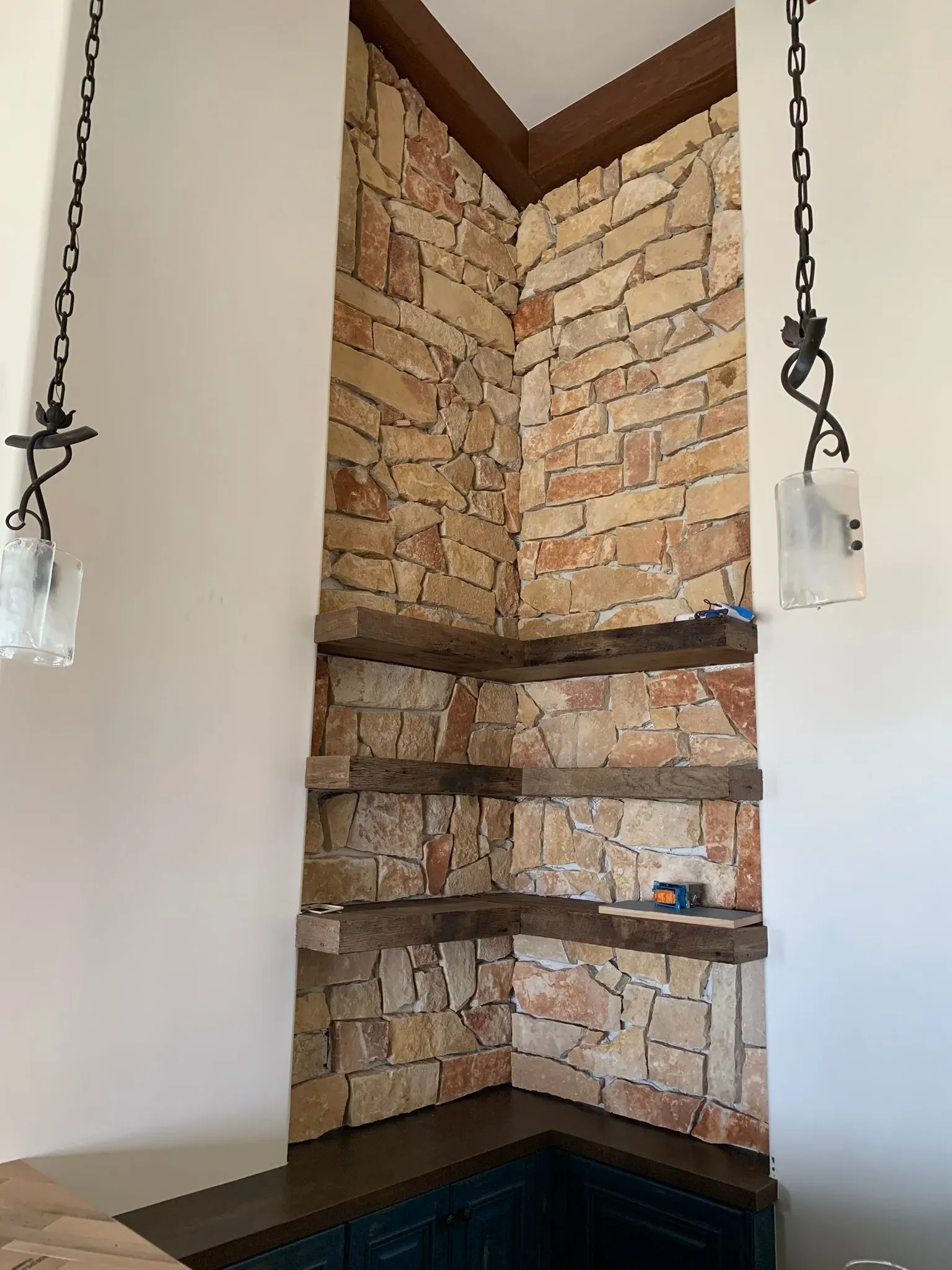
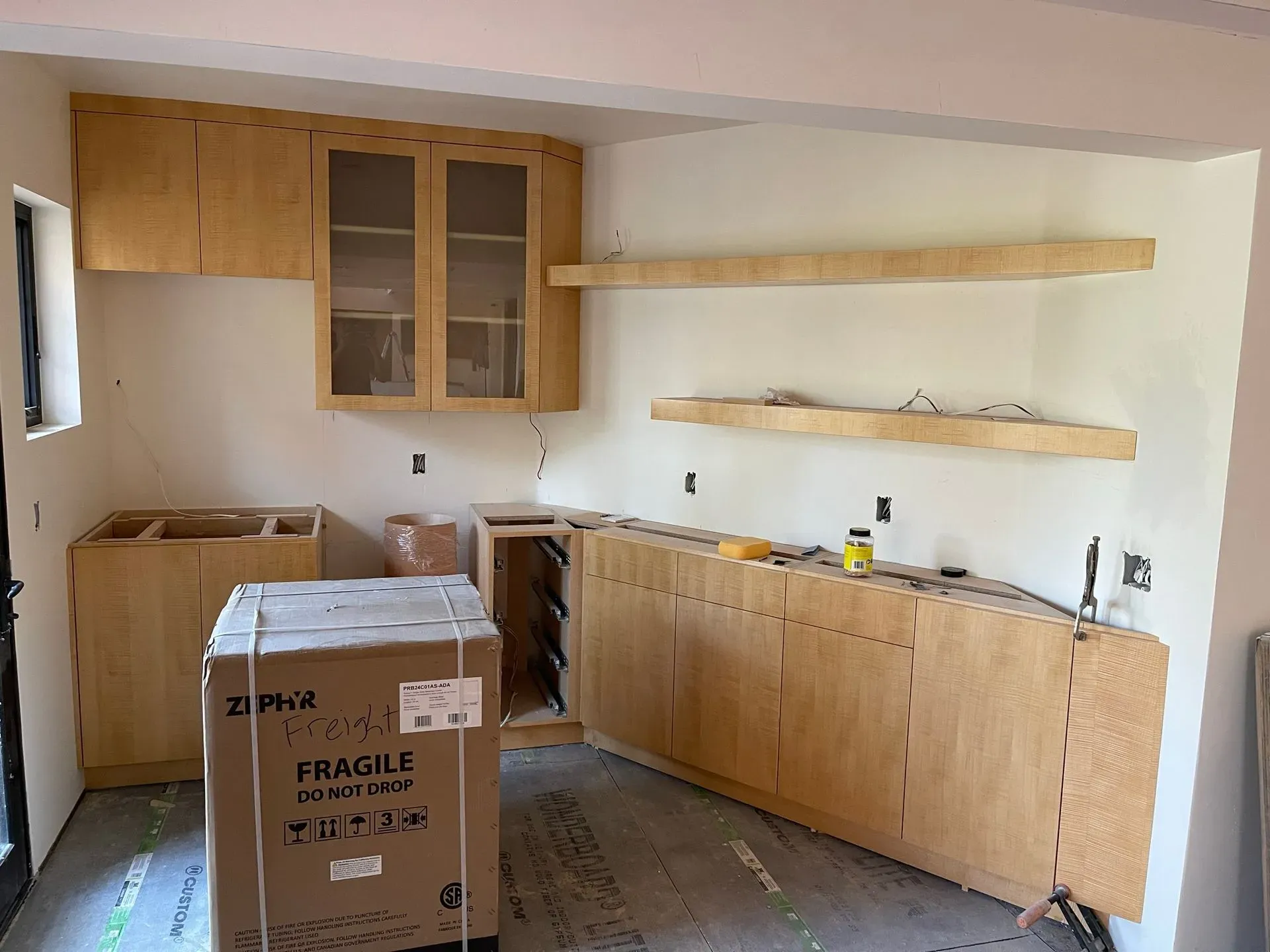
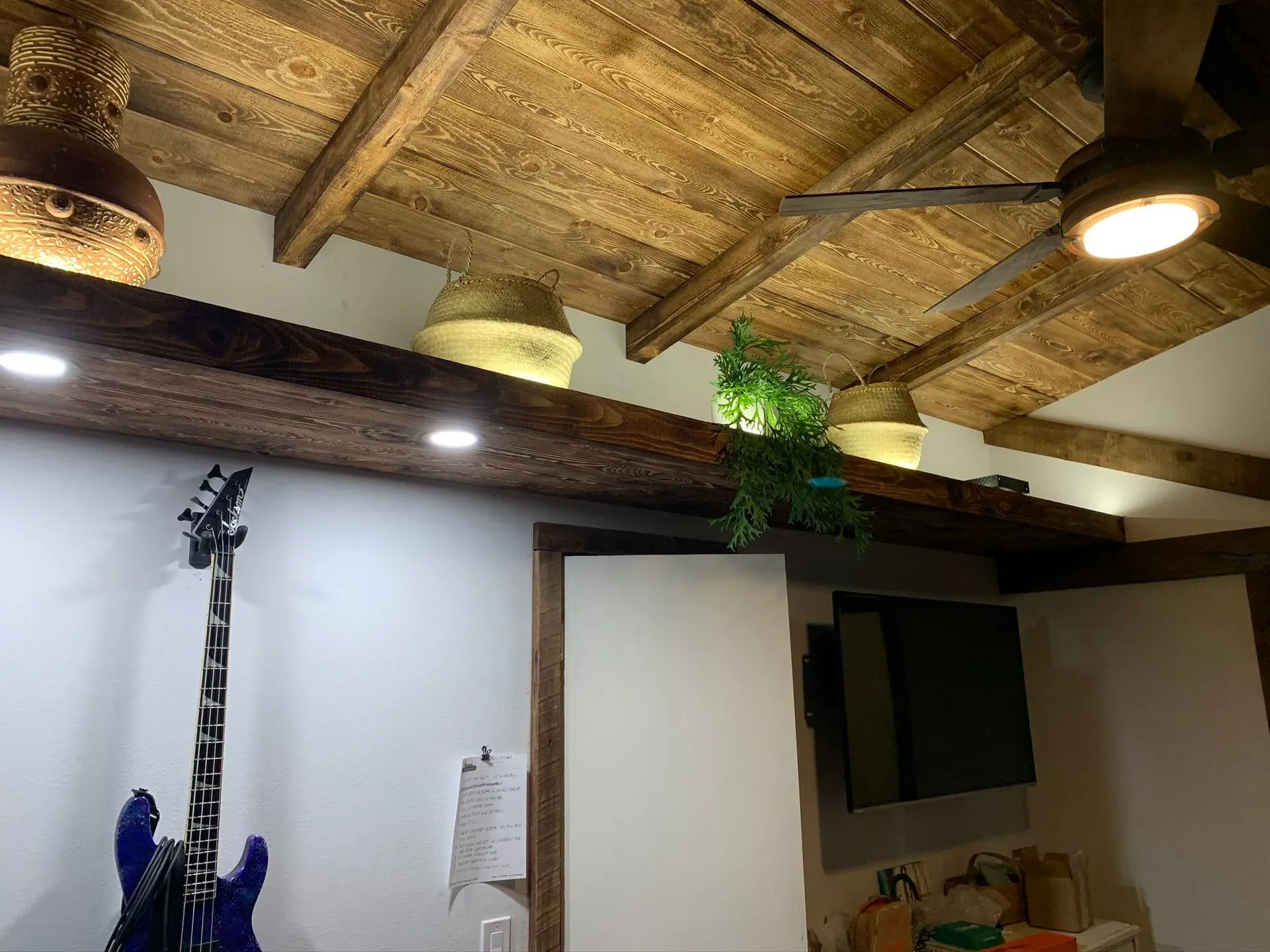
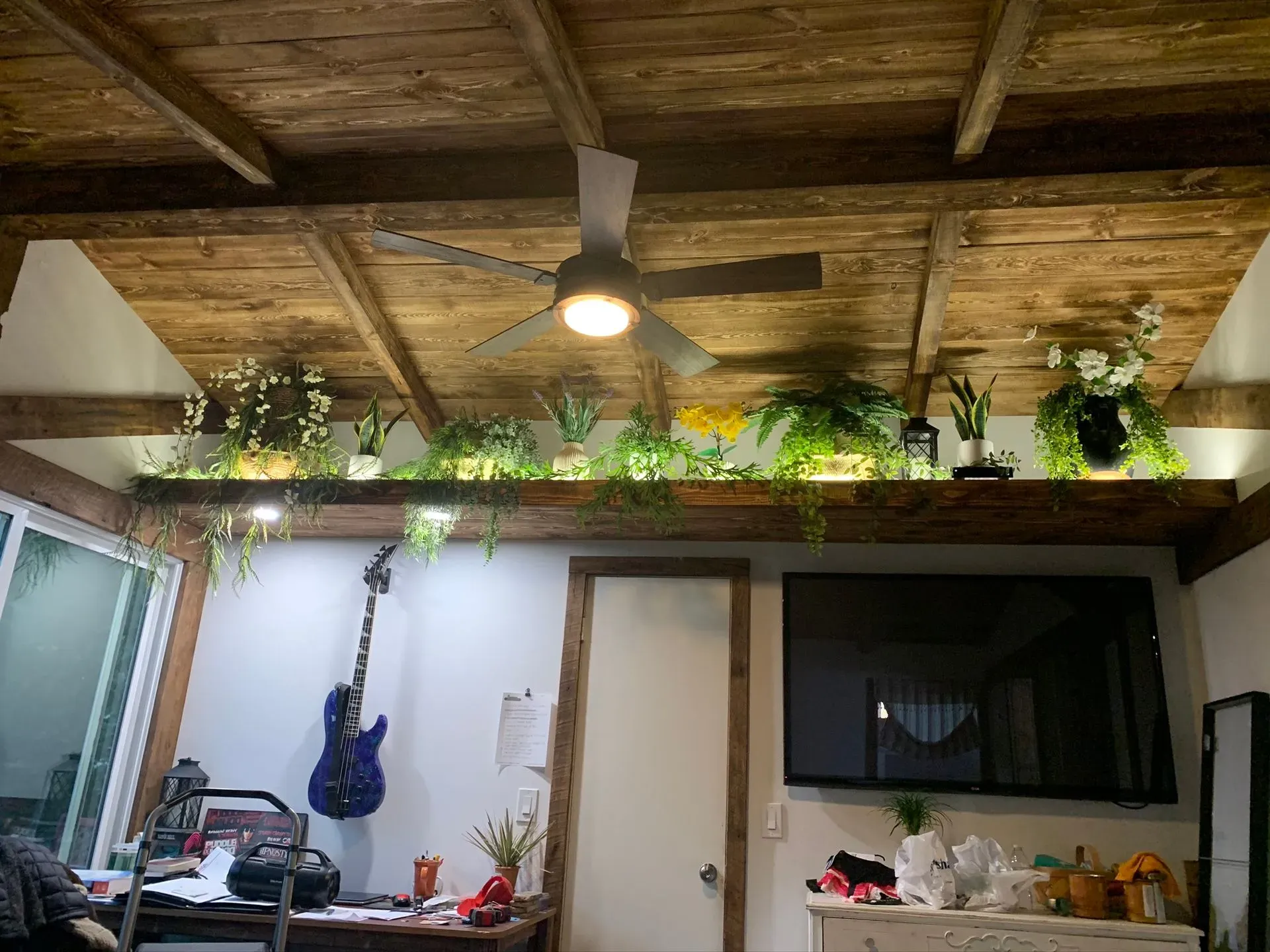
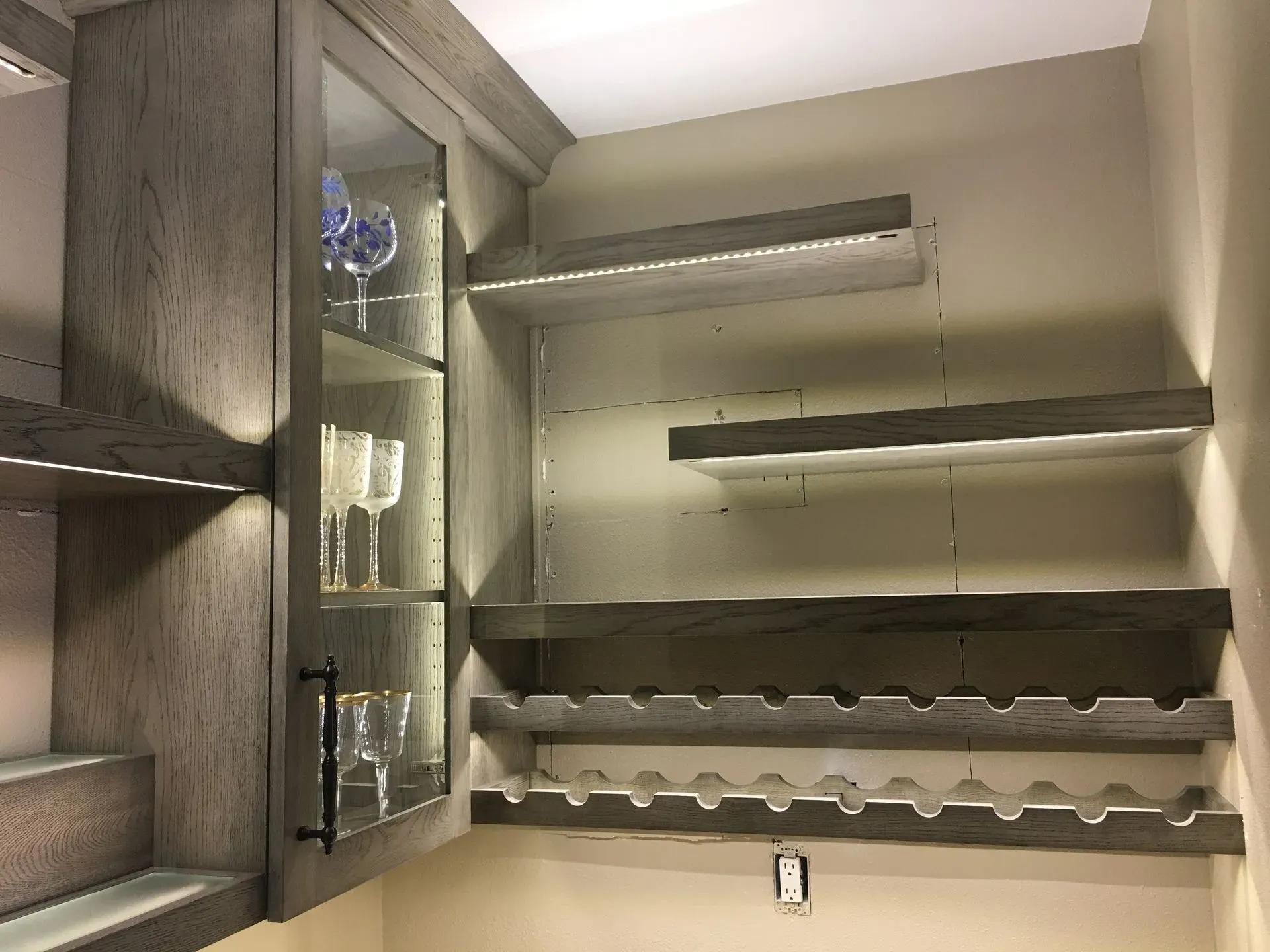
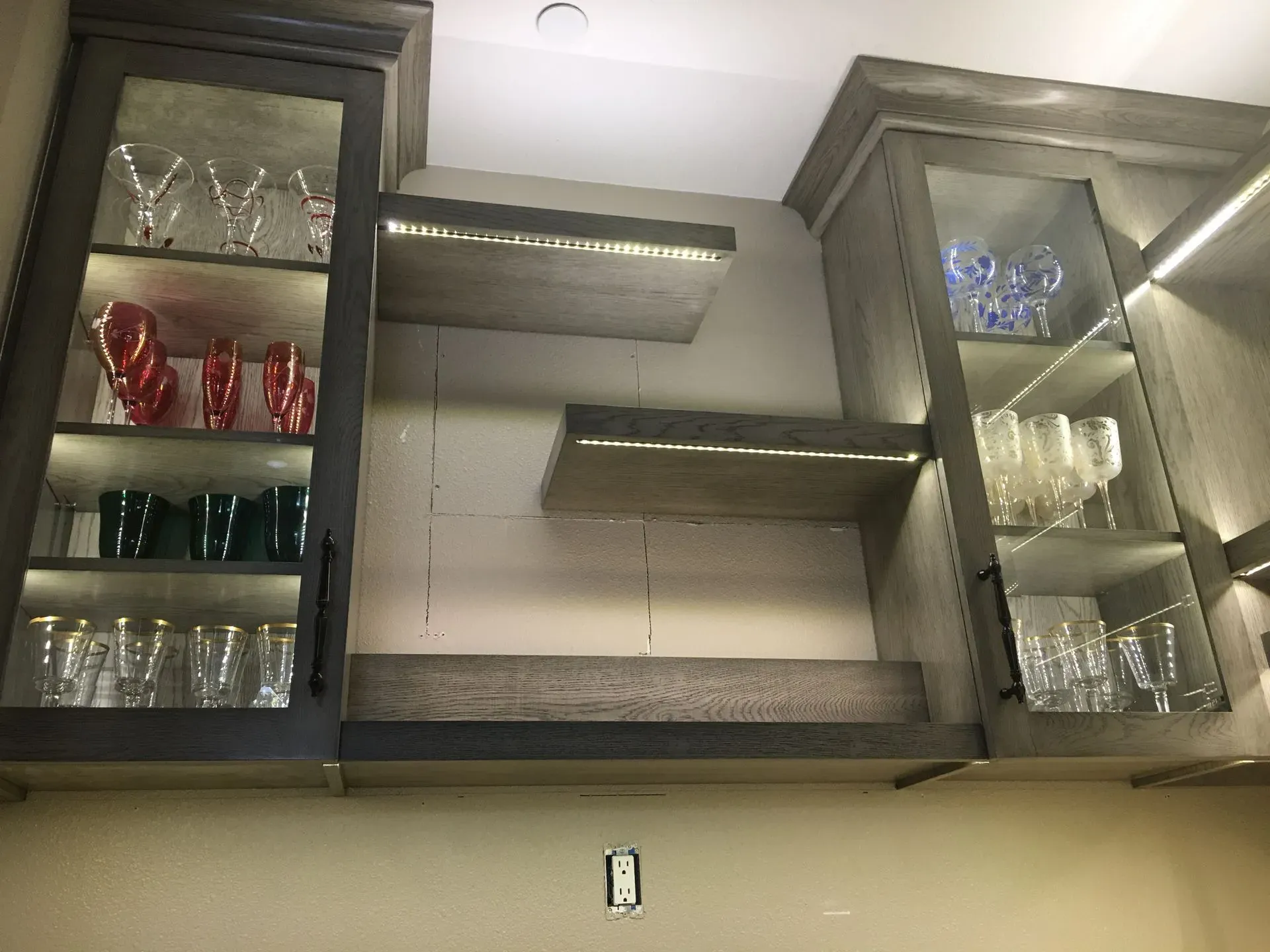
How Floating Shelves Support Weight Without Visible Brackets
Each shelf is constructed with a hollow core that slides over steel rods or mounting plates anchored directly into wall studs, distributing weight across multiple attachment points rather than relying on surface-mounted brackets. The shelf depth, wood thickness, and internal reinforcement are engineered based on the intended load, with deeper shelves and thicker hardwoods supporting heavier items like kitchen appliances or stacked dinnerware. Finish is applied to all surfaces, including the back edge and underside, so that the shelf looks complete from any viewing angle.
Once installed, shelves create horizontal lines that break up tall walls and establish zones for display or functional storage without the visual weight of upper cabinets or the floor footprint of freestanding furniture. Items stored on open shelves remain visible, making it easier to locate specific books, jars, or tools without opening cabinet doors or rummaging through bins, and the open format encourages keeping only actively used items rather than accumulating clutter behind closed doors.
Edge profiles range from simple square cuts to rounded bullnose or chamfered details that soften the shelf's appearance, and wood species are selected for grain character and compatibility with the room's existing finishes. Multiple shelves installed at varied heights create asymmetrical arrangements that accommodate different item sizes and add visual interest to otherwise blank walls.
Questions Before Adding Custom Shelving
Shelf design depends on what the shelves will hold, where they will be installed, and how the wood finish should relate to surrounding woodwork and cabinetry.
What wall construction is required for floating shelf installation?
Shelves must anchor into solid wood studs or blocking for secure load-bearing support, meaning drywall-only installations require adding internal reinforcement or using hollow-wall anchors rated for the shelf's expected weight.
How do you determine the right shelf depth for specific items?
Depth is based on the largest items the shelf will hold, with kitchen shelves typically ranging from ten to fourteen inches to accommodate dinner plates and bowls, while book shelves may only need eight to ten inches depending on the book sizes in the collection.
Can floating shelves be installed in bathrooms where moisture is present?
Hardwood shelves finished with water-resistant topcoats perform well in bathrooms, though they should not be placed directly above tubs or showers where prolonged steam exposure can degrade the finish and cause wood movement over time.
What hardwoods work best for shelves that will support heavy items?
Oak, maple, and walnut provide strength and stiffness that resist sagging under load, while softer species like pine or poplar are better suited to lighter decorative displays unless built with thicker dimensions or additional internal support.
How much weight can a properly installed floating shelf hold?
Weight capacity depends on shelf depth, wood thickness, mounting method, and stud spacing, but well-constructed shelves anchored into studs typically support fifty to one hundred pounds distributed evenly across the length without sagging or pulling away from the wall.
Tellico Woodworks designs floating shelves that combine practical storage with timeless hardwood construction tailored to your wall space and the items you plan to display. Reach out to discuss sizing, wood options, and installation for your custom shelving project.