
Details That Unify Every Room Transition
Interior Doors & Trim in Tellico Plains for homes where mismatched casings and inconsistent profiles create visual disconnection
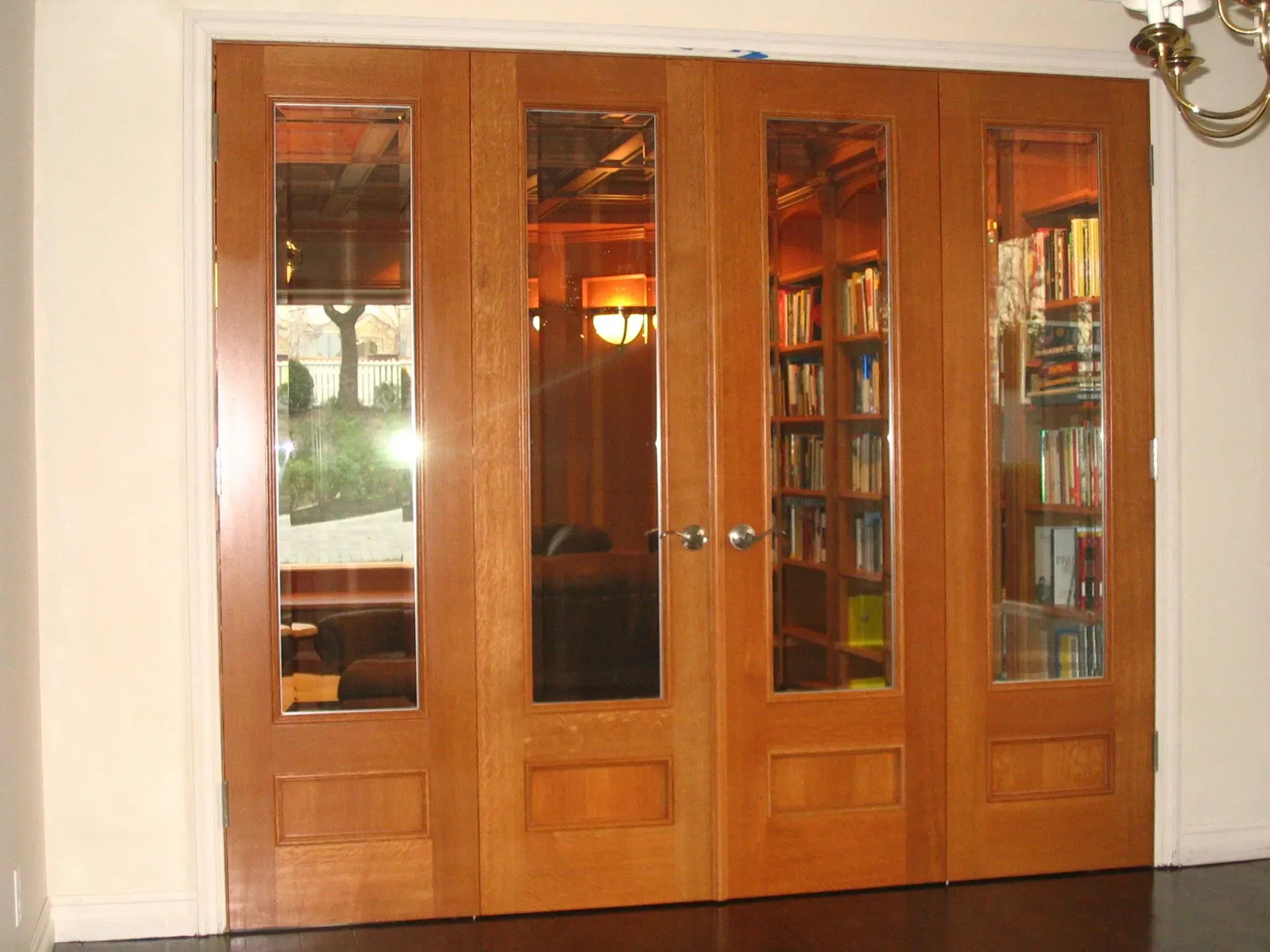
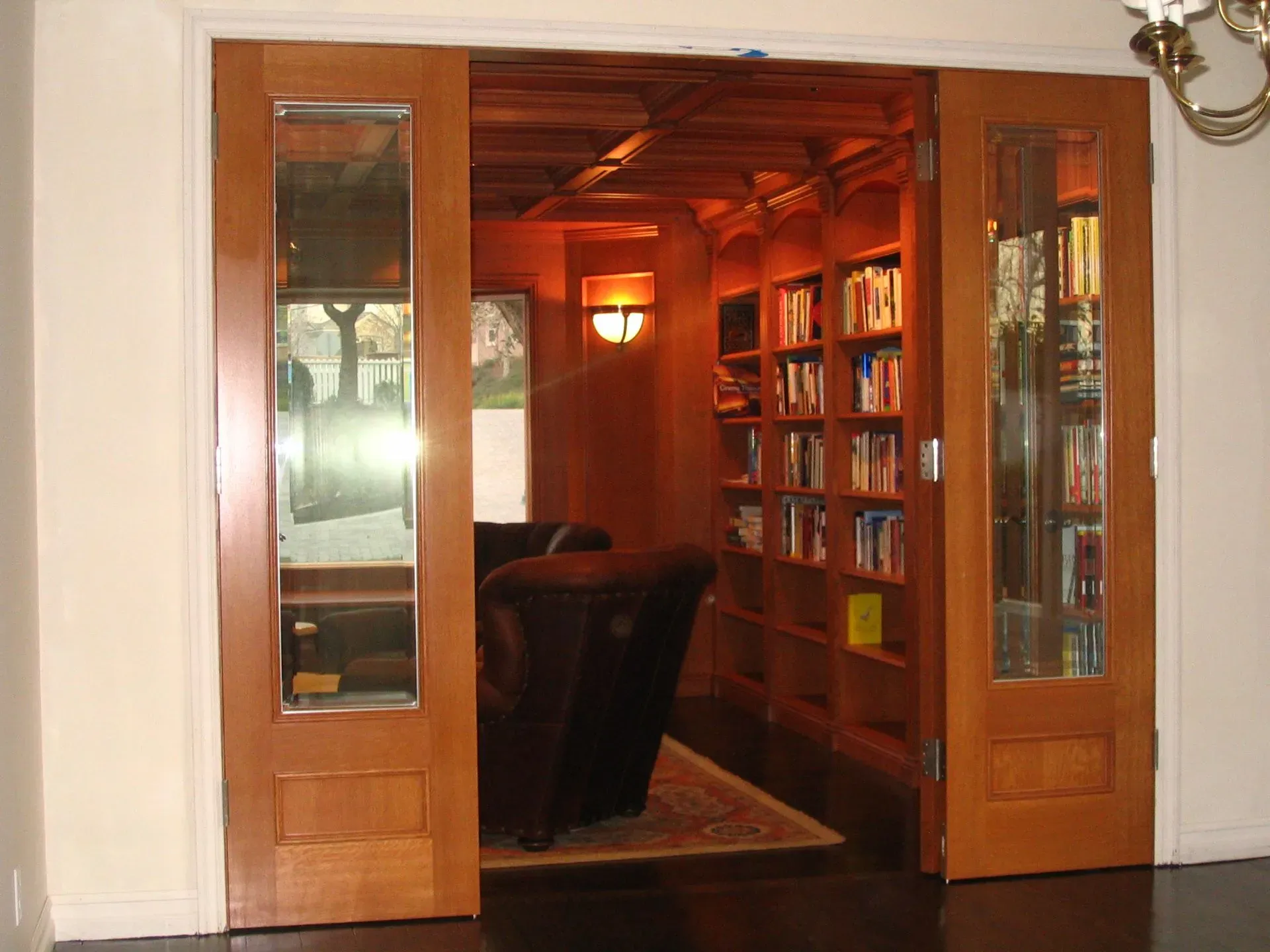
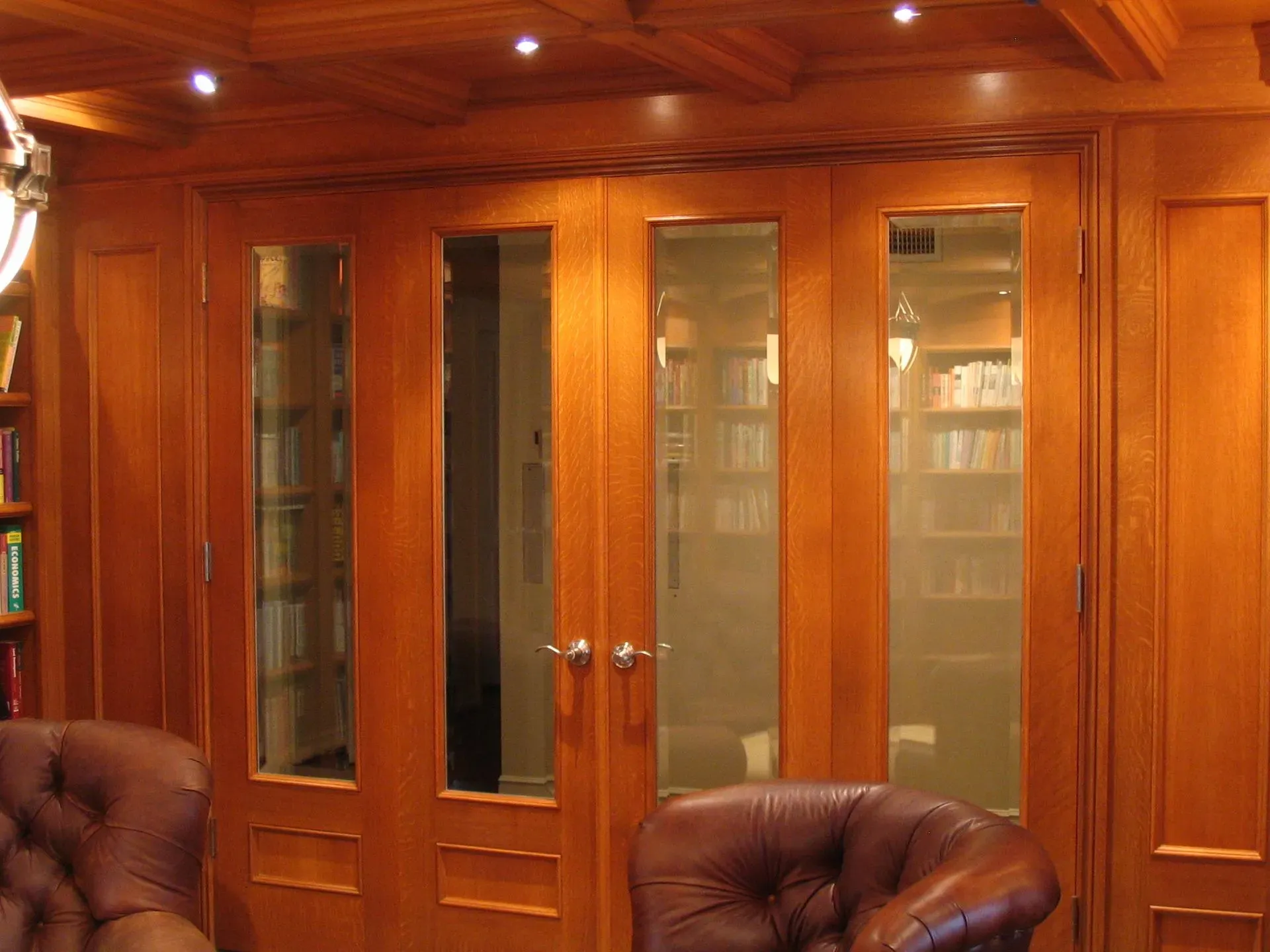
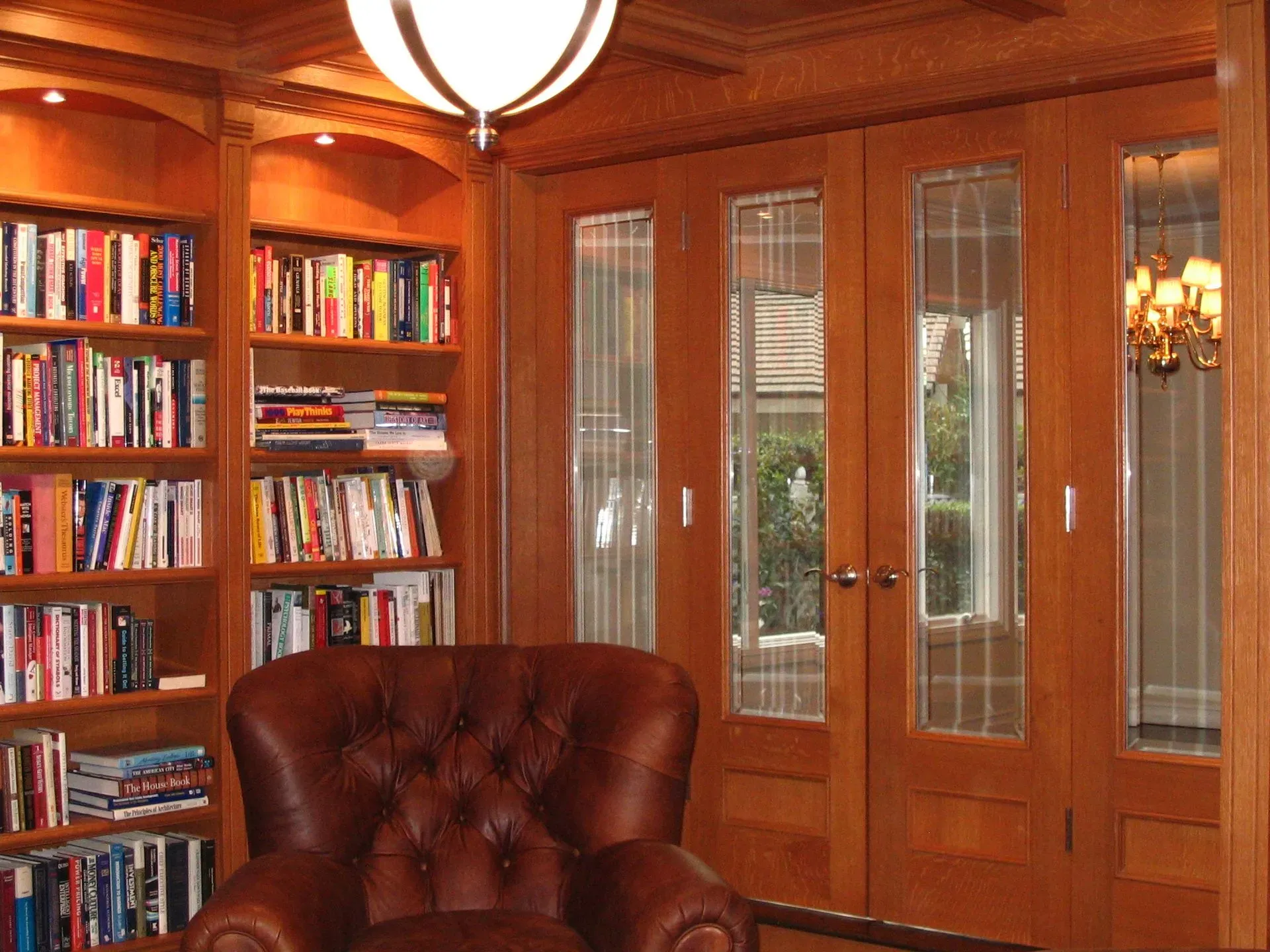
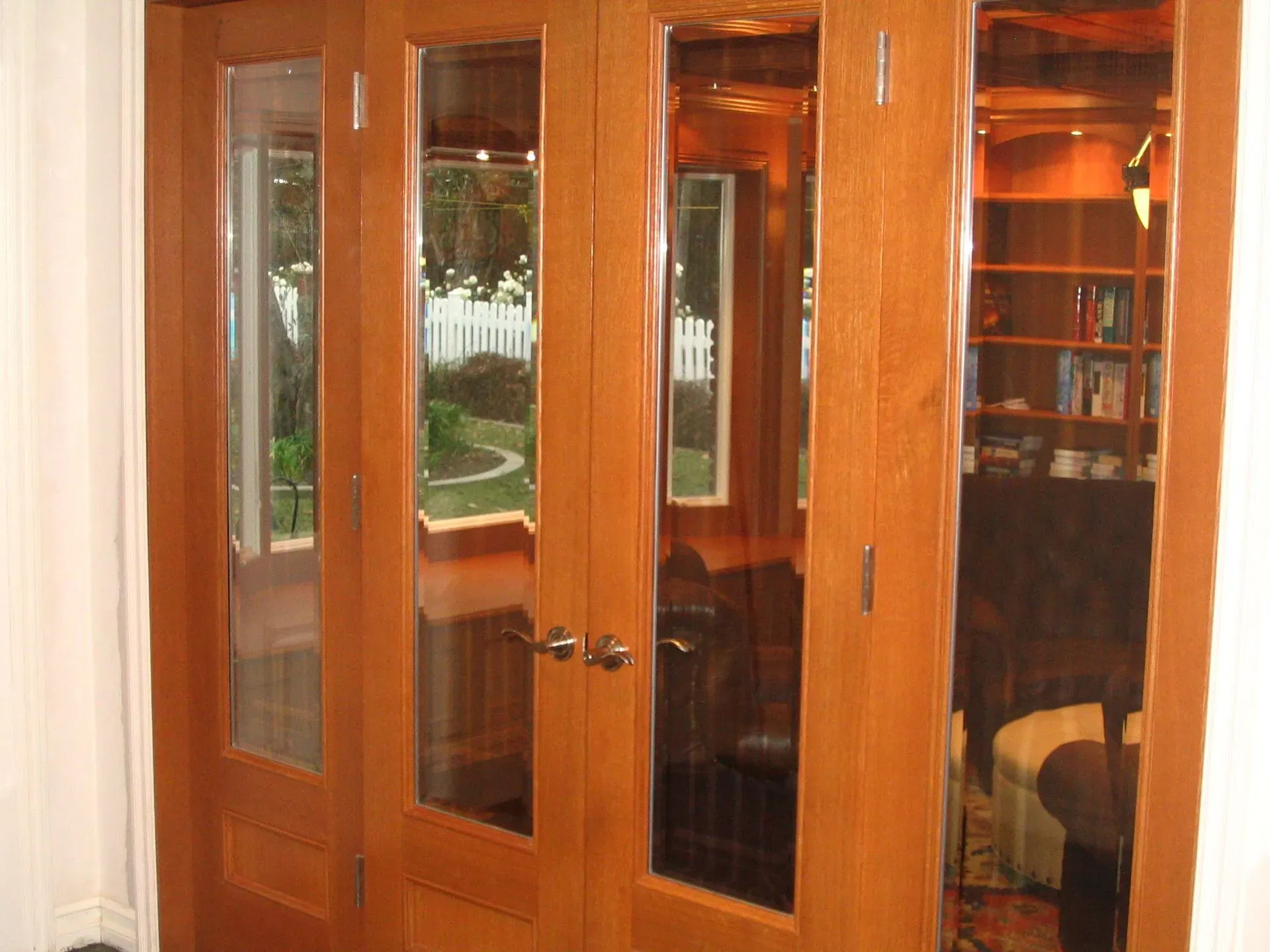
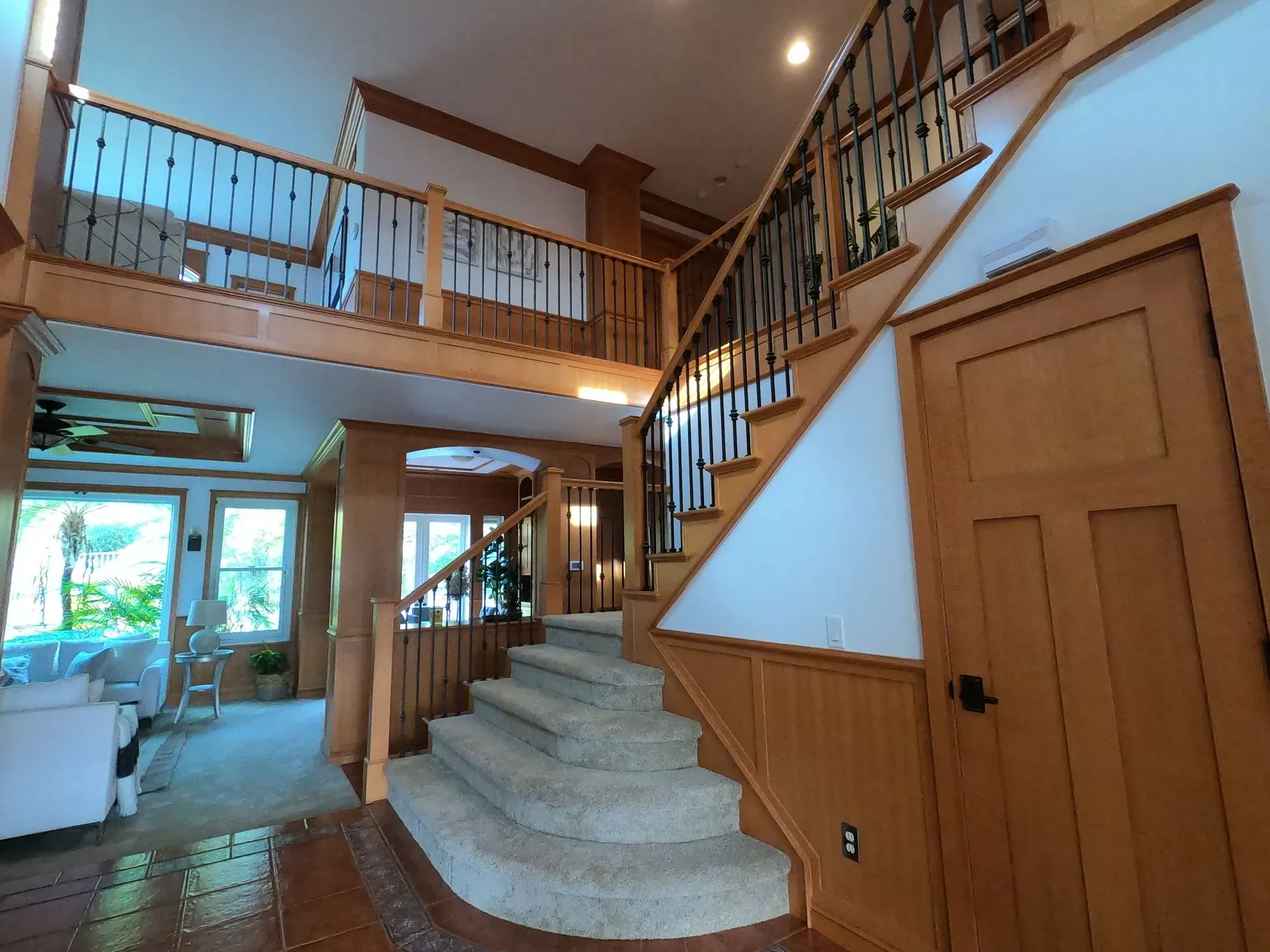
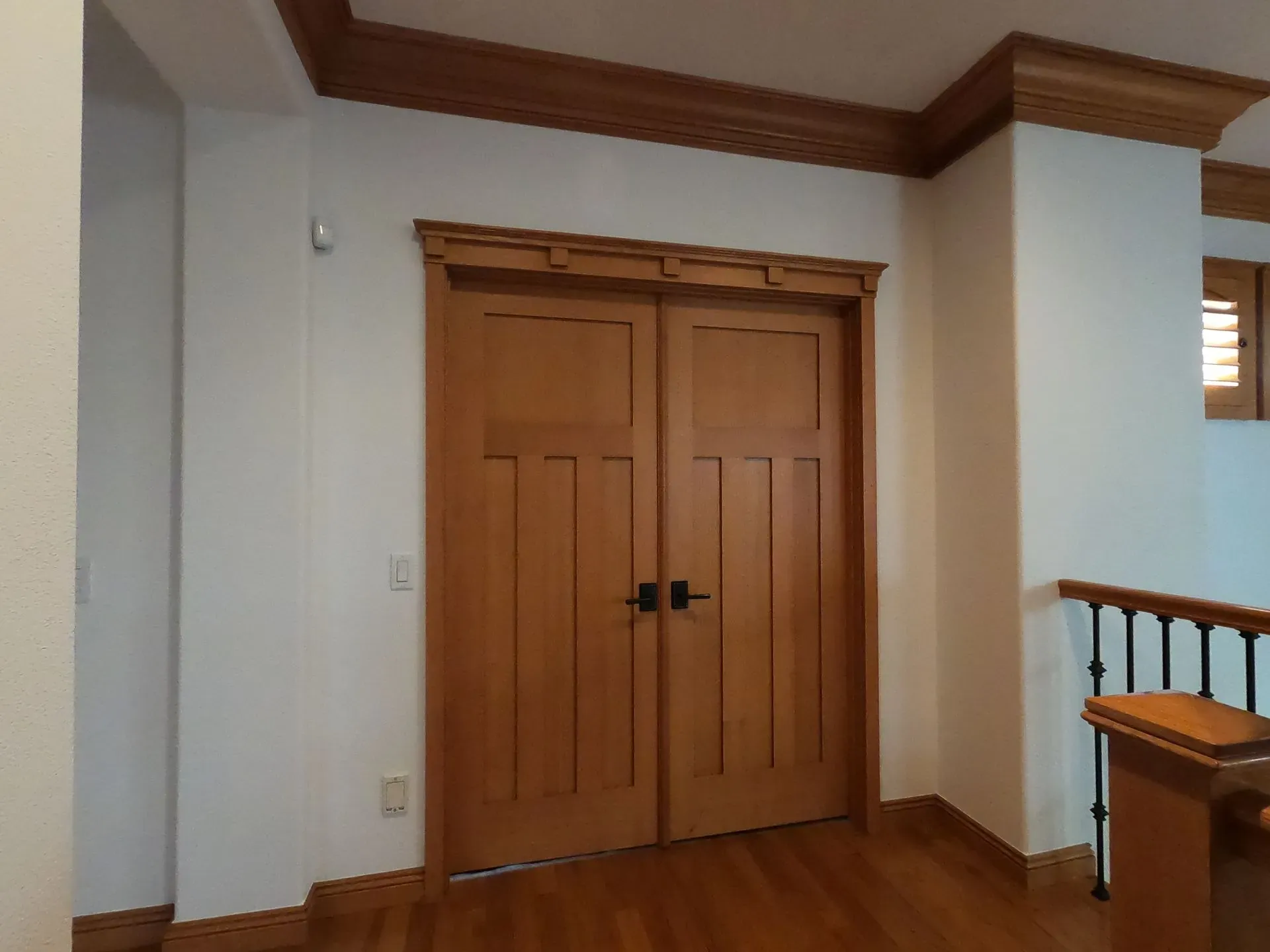
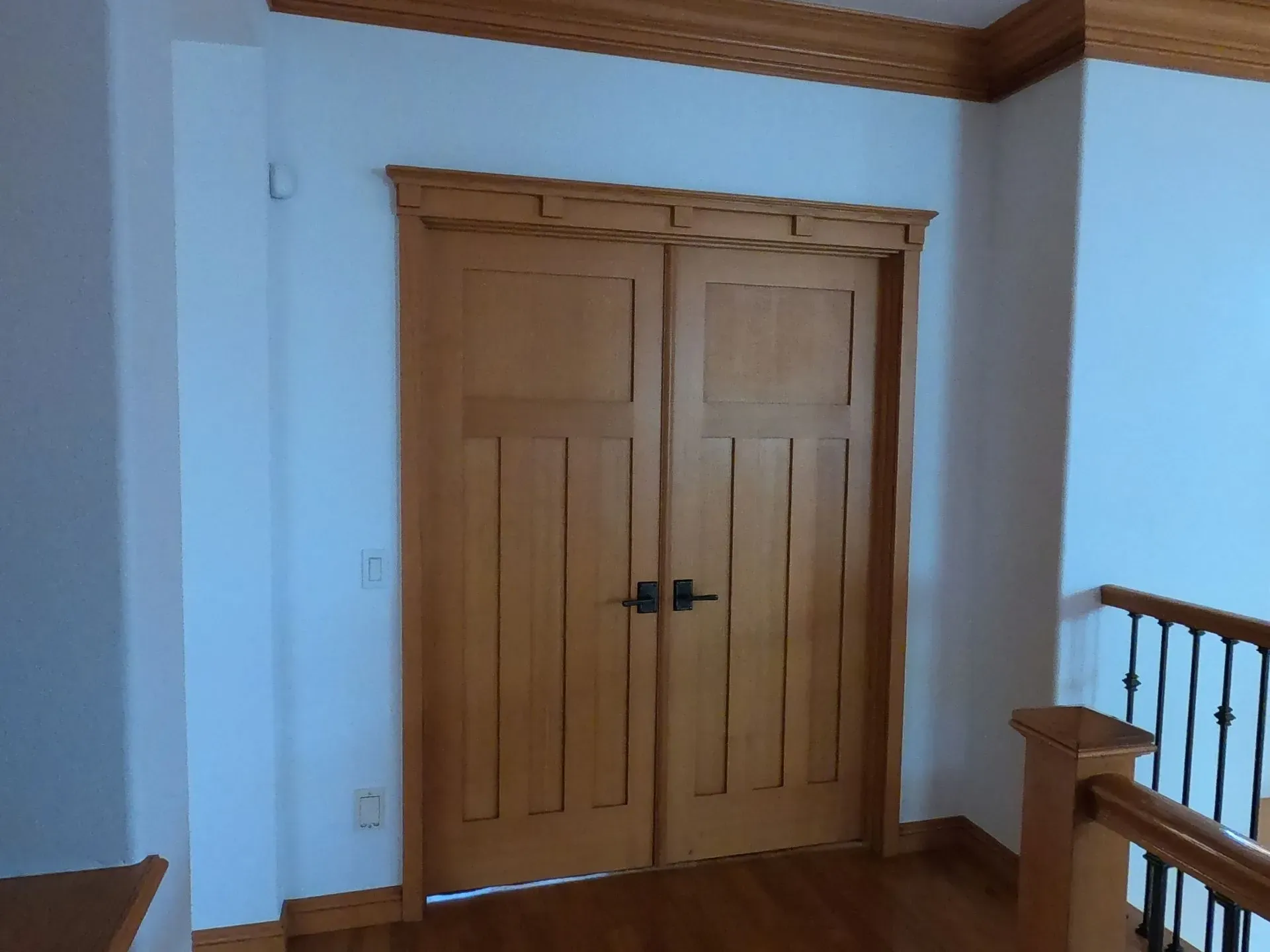
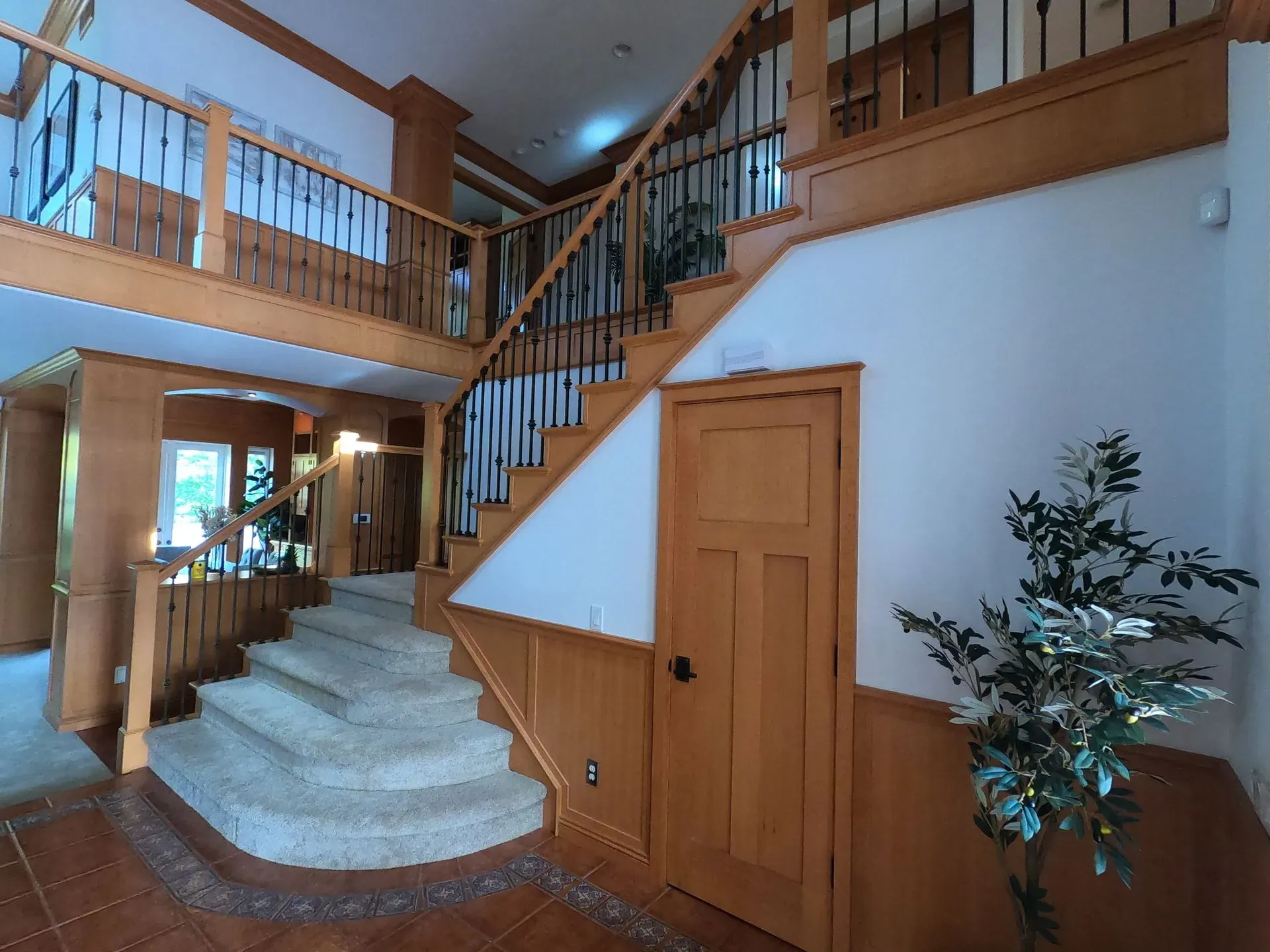
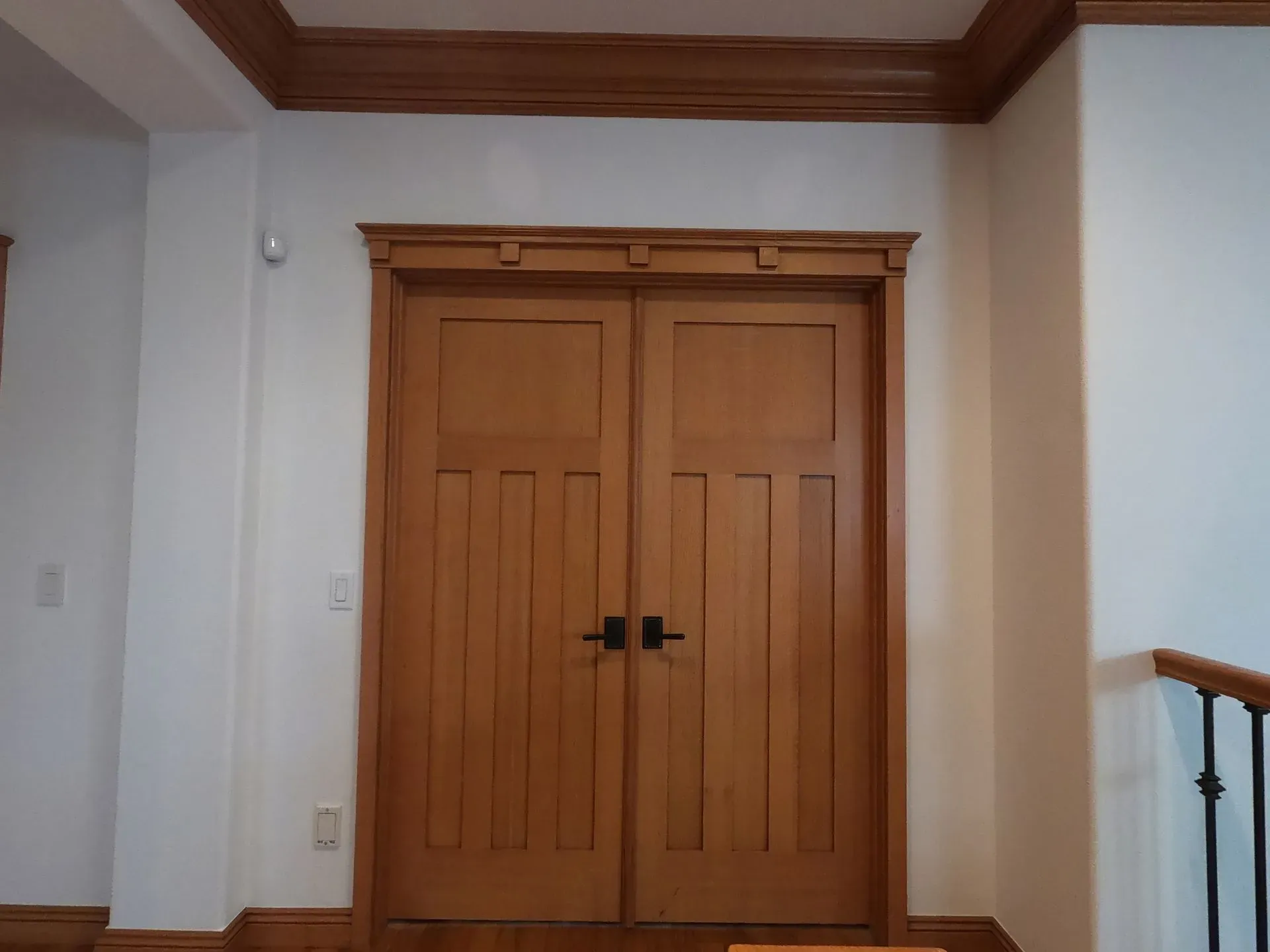
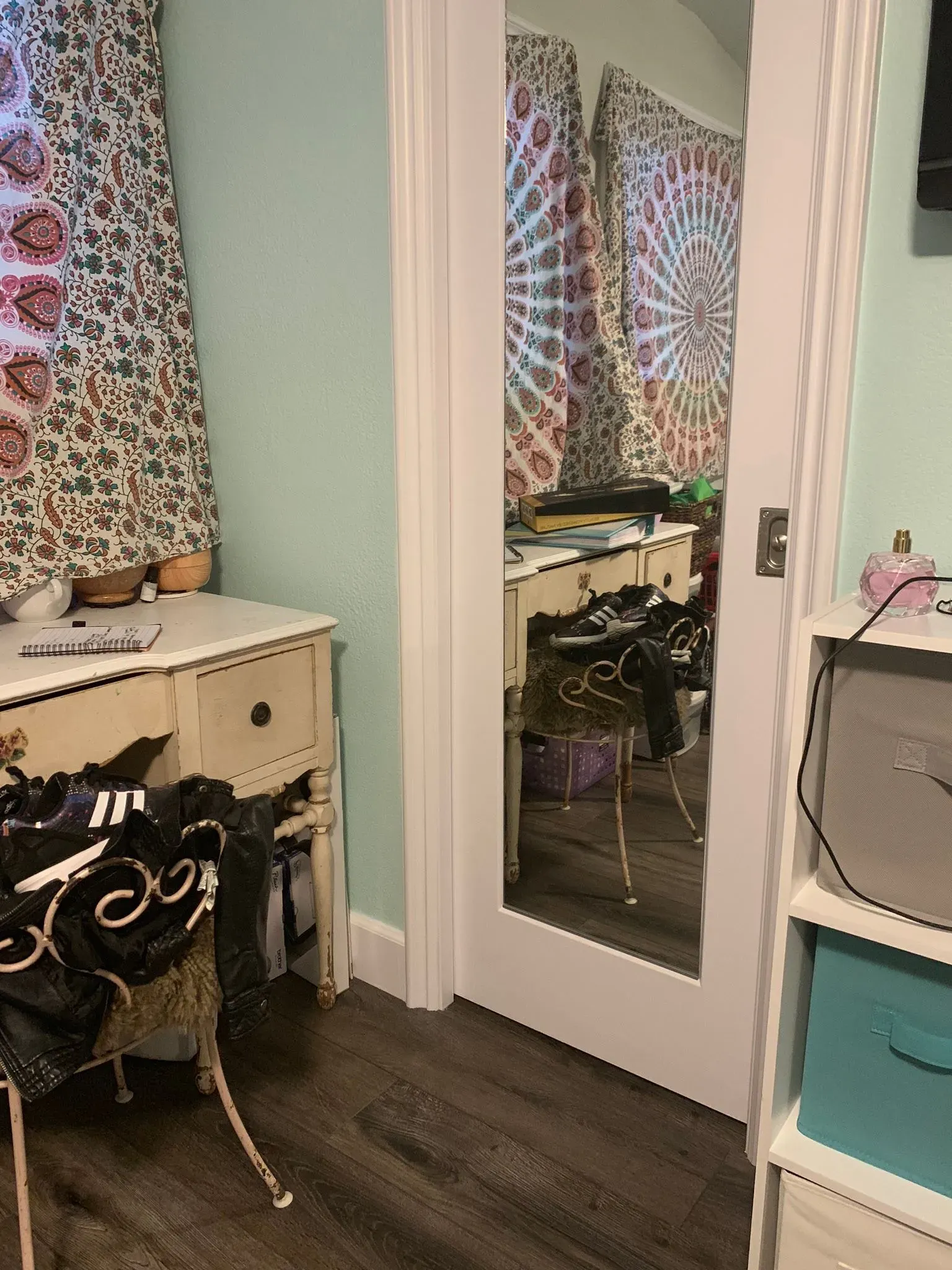
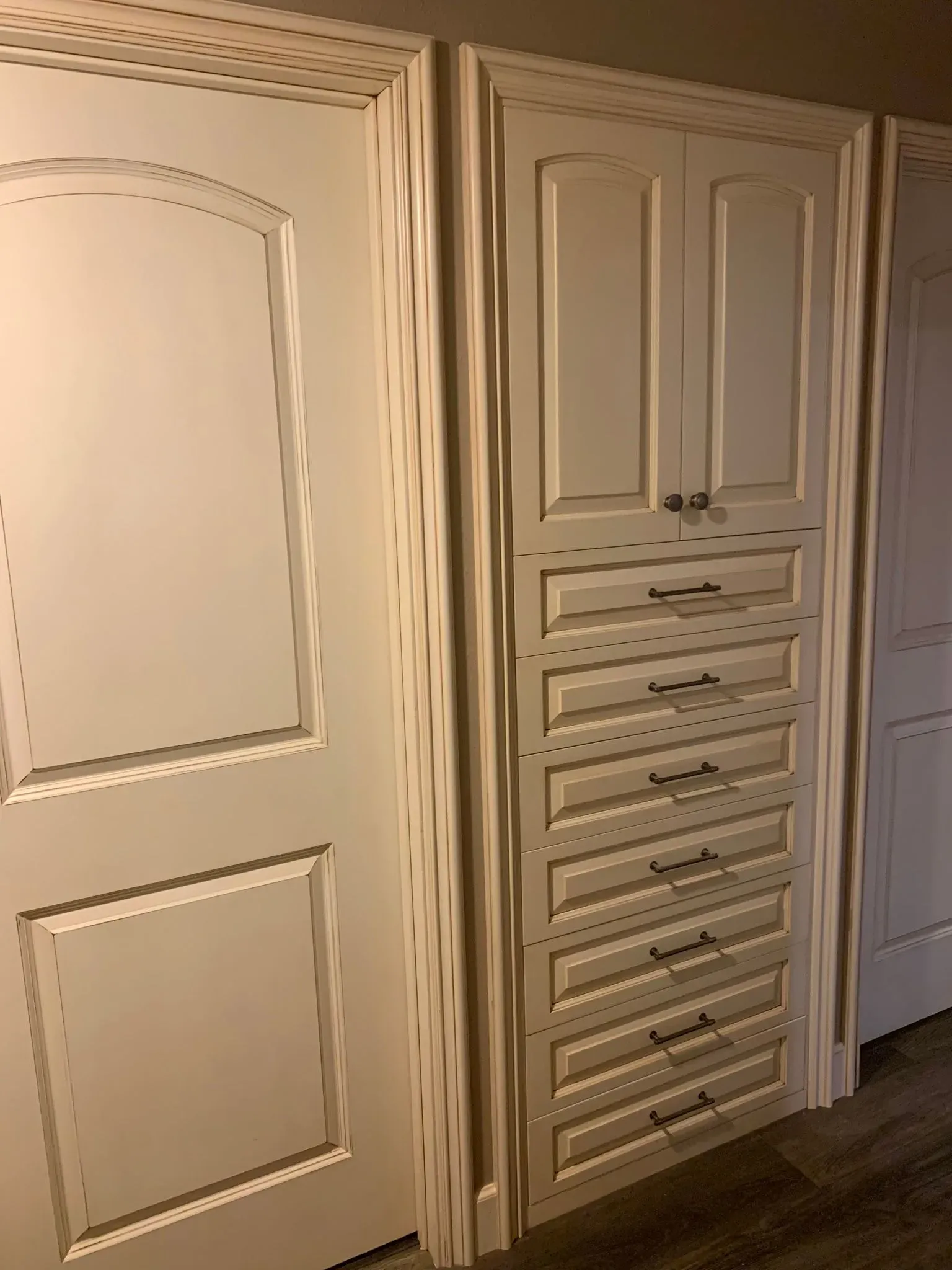
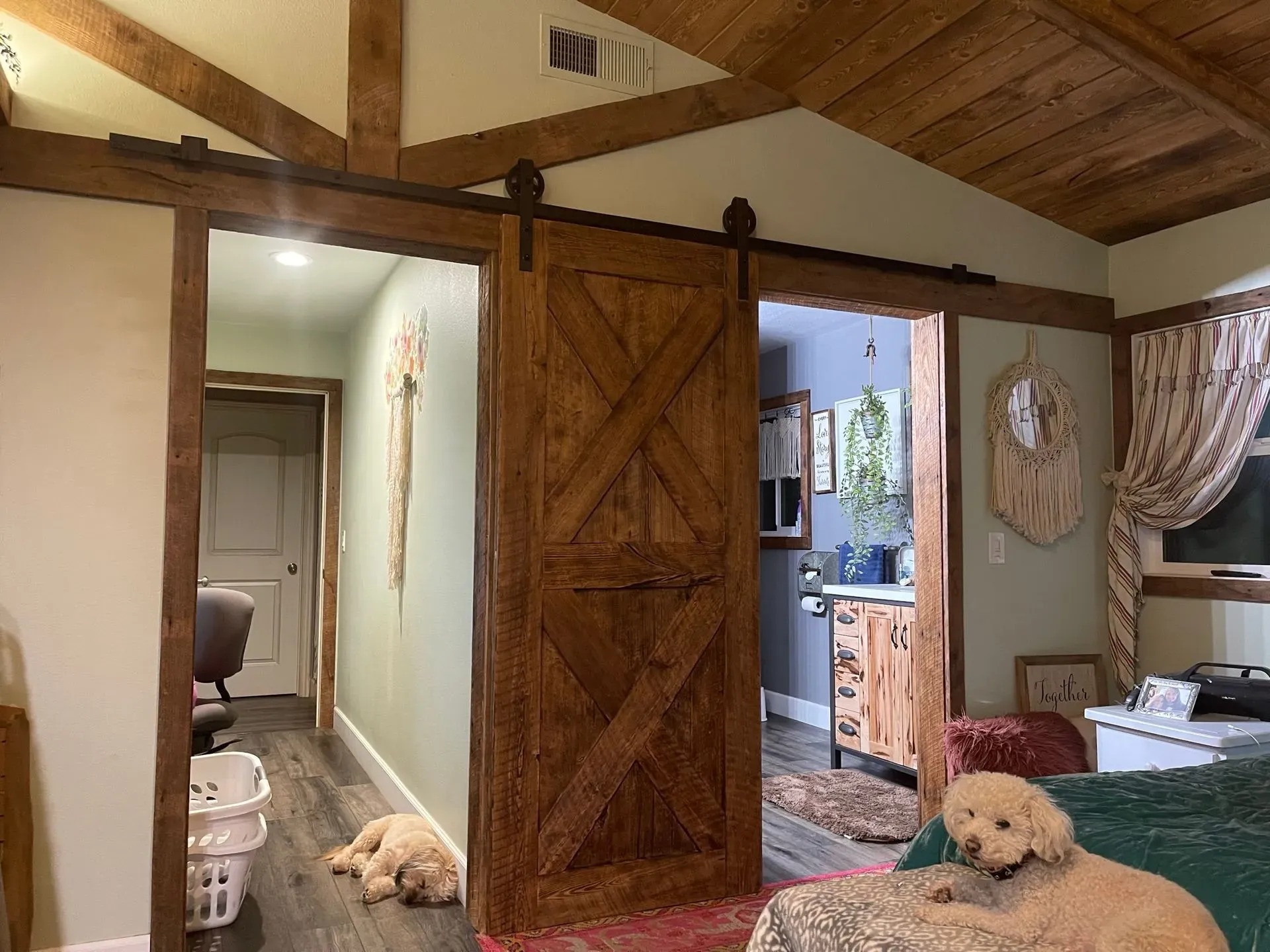
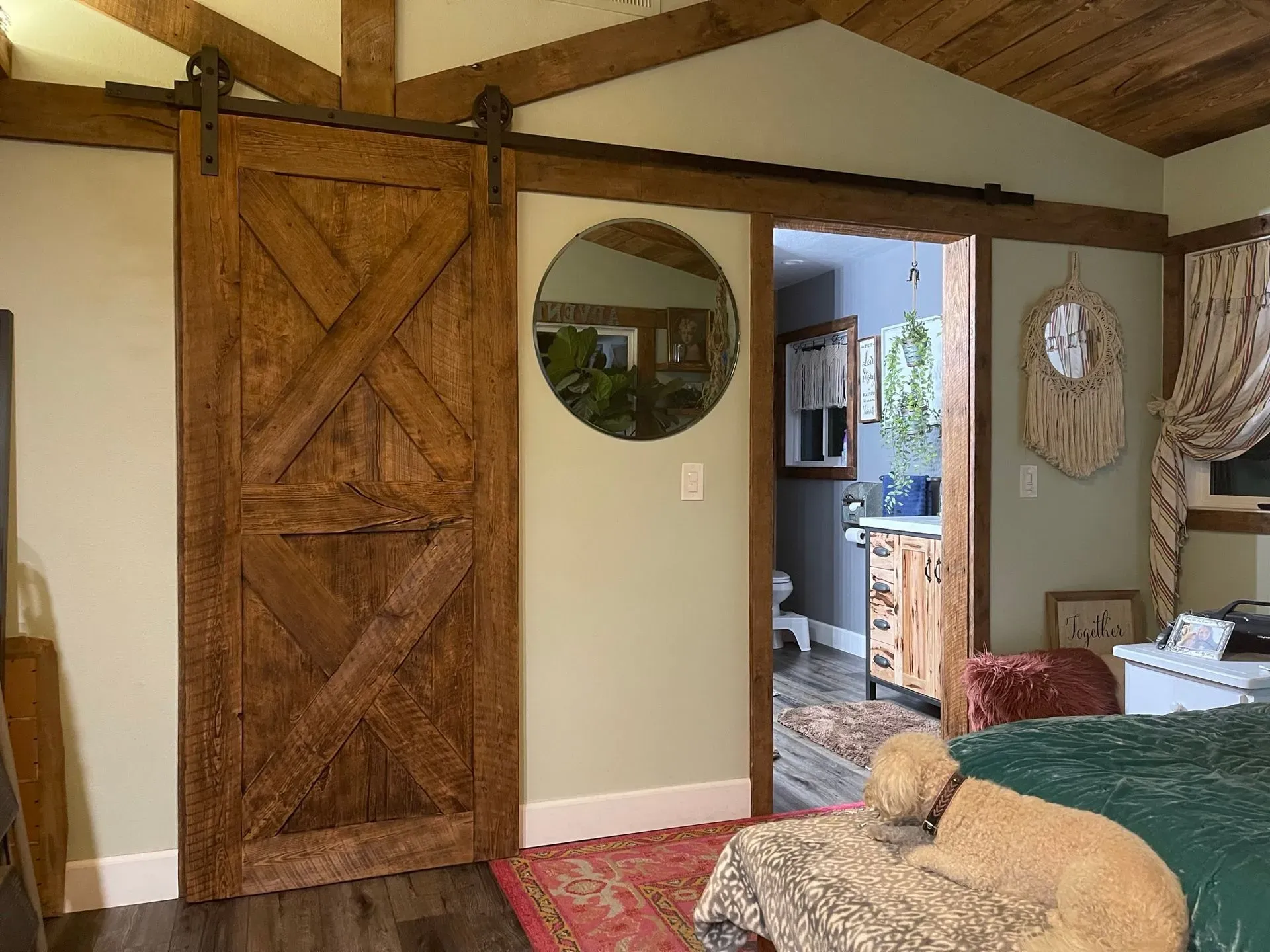
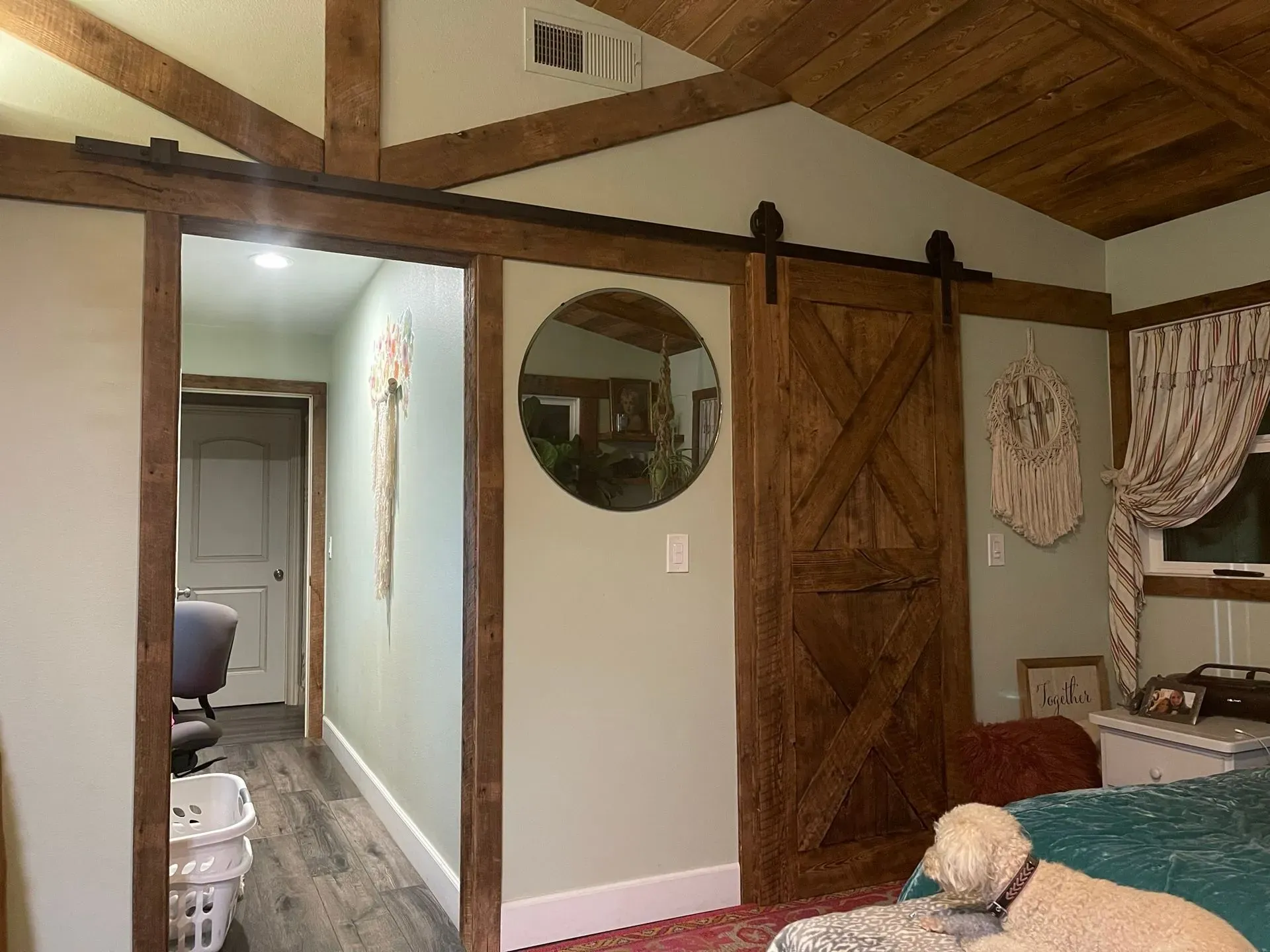
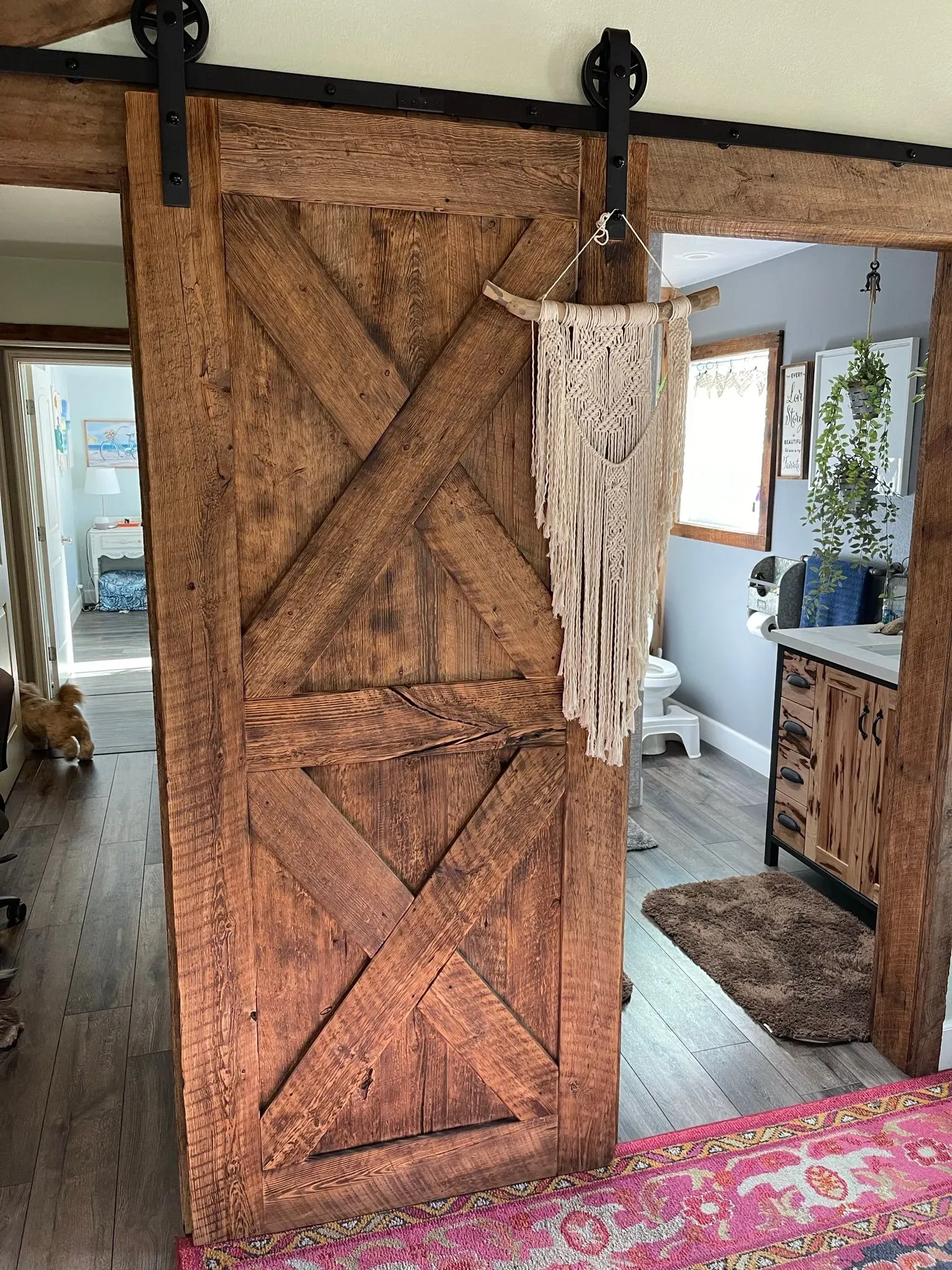
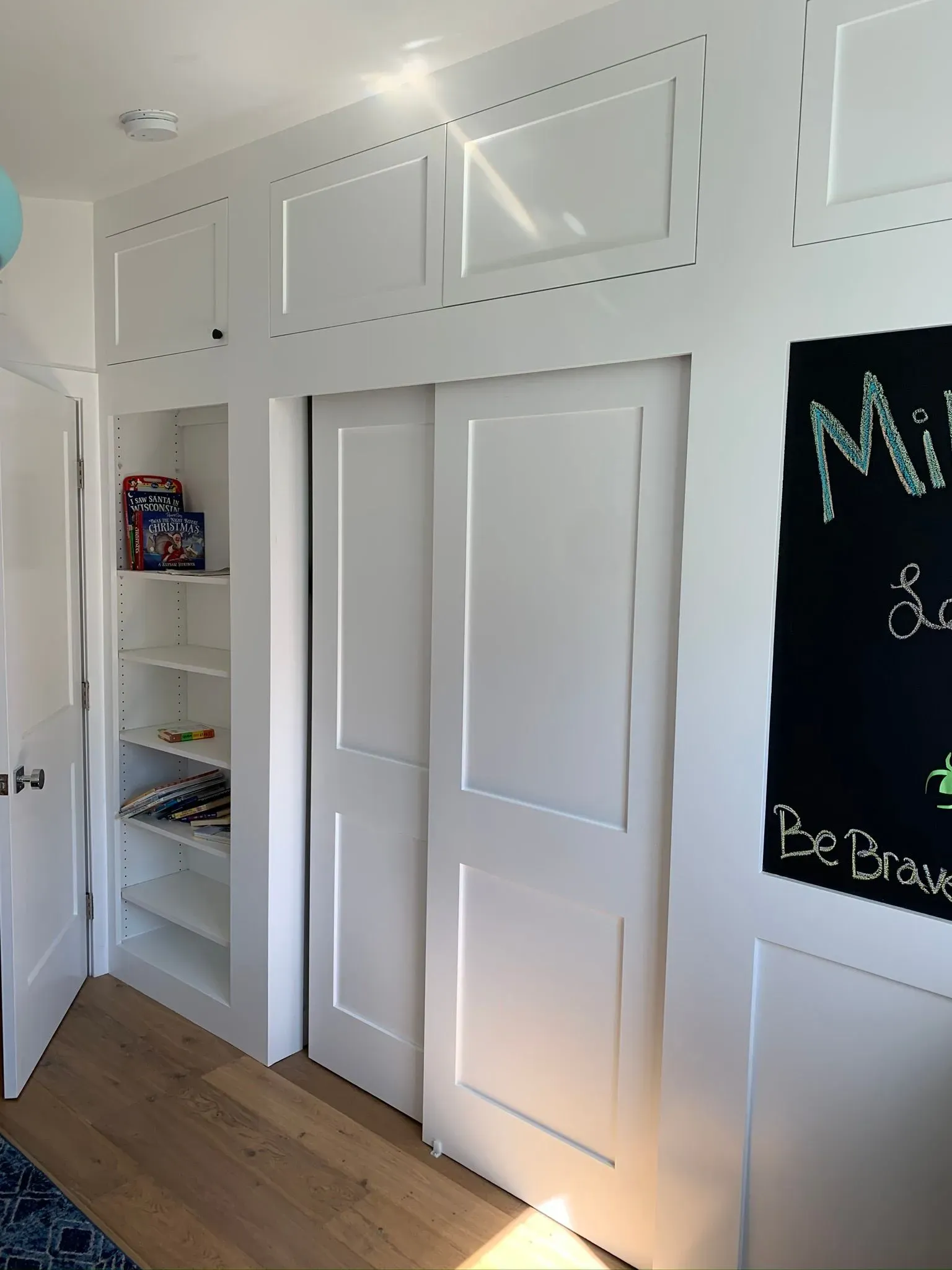
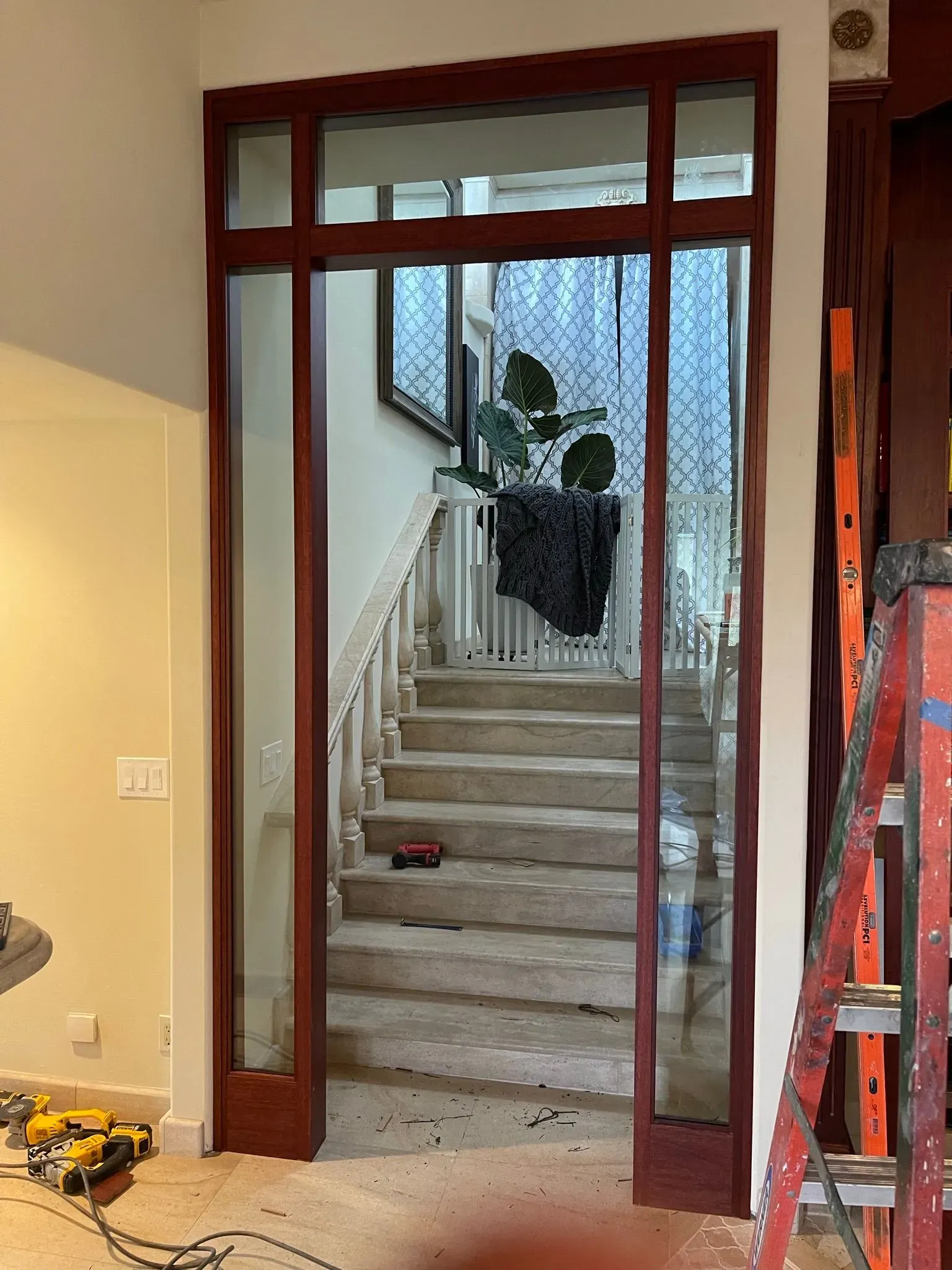
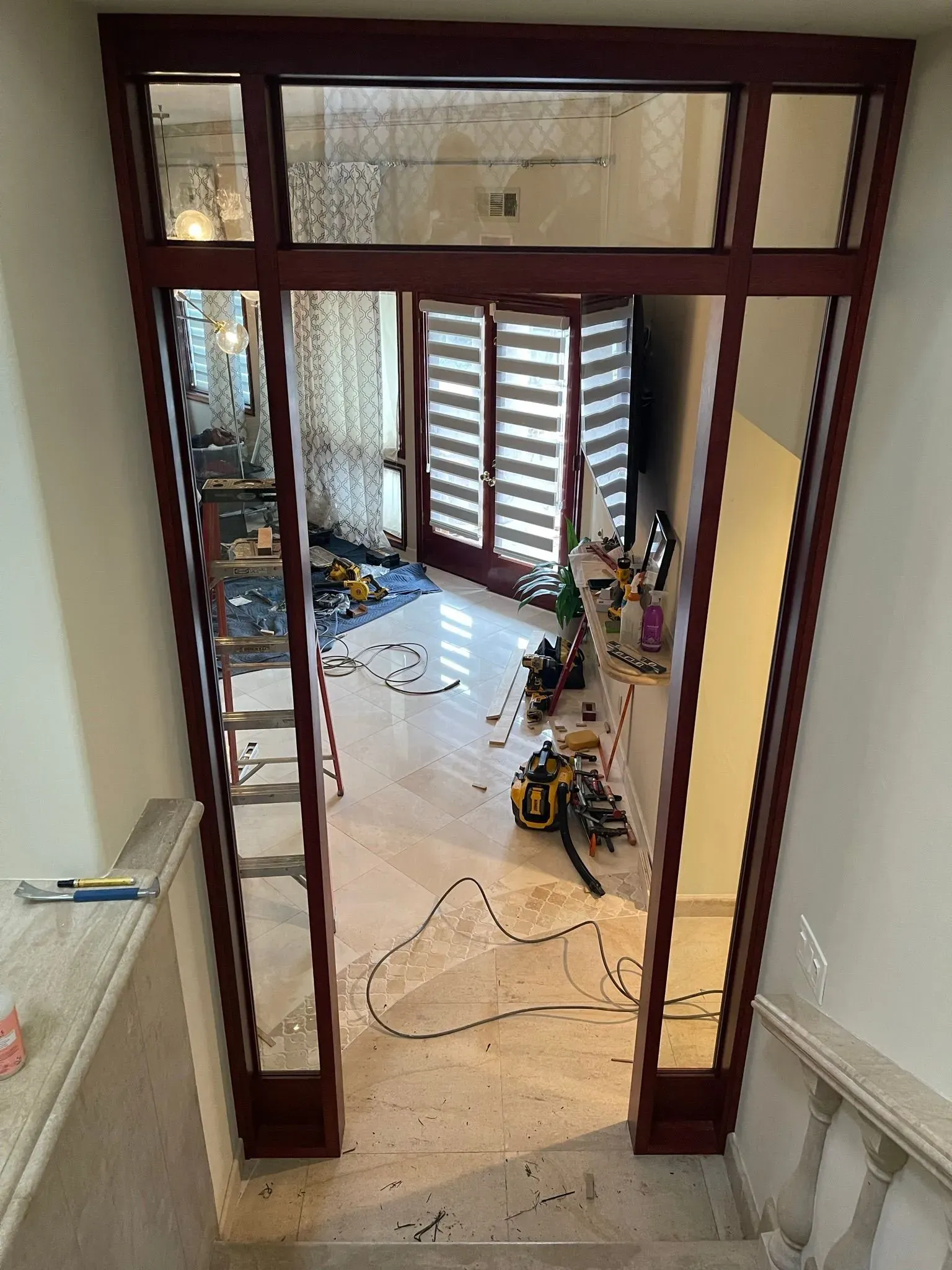
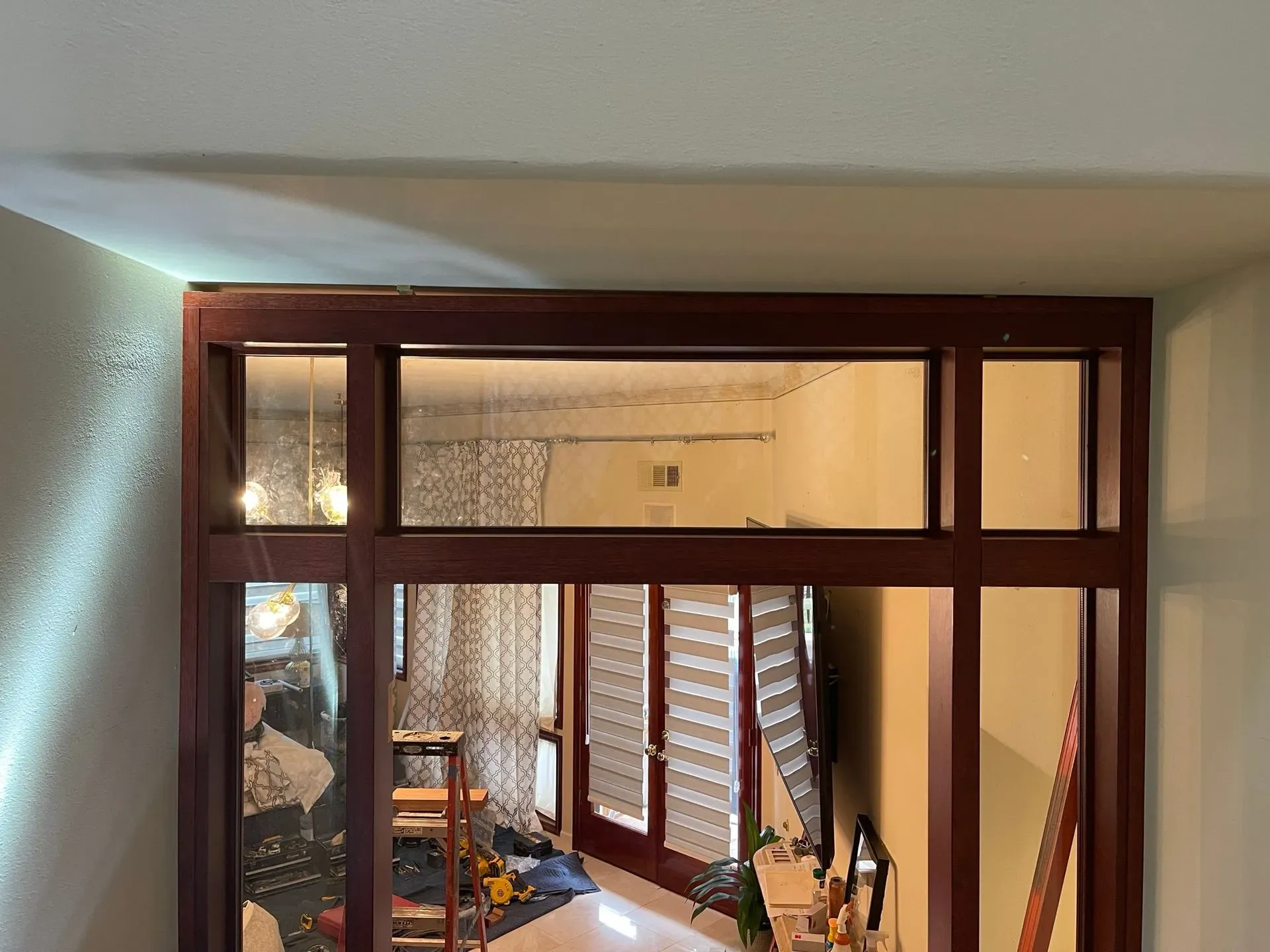
Door casings, baseboards, and crown molding establish a visual language that carries through hallways, bedrooms, and living spaces, and when profiles vary from room to room, the interior feels disjointed rather than cohesive. Tellico Woodworks builds custom interior doors and coordinating trim designed to match the home's architectural style and existing woodwork, with custom casings that frame openings cleanly, baseboards that protect walls while defining floor transitions, and door profiles that align with the formality and proportions of each space. Handcrafted construction allows for precise measurements that account for floor height variations, out-of-plumb walls, and non-standard door openings common in older East Tennessee homes.
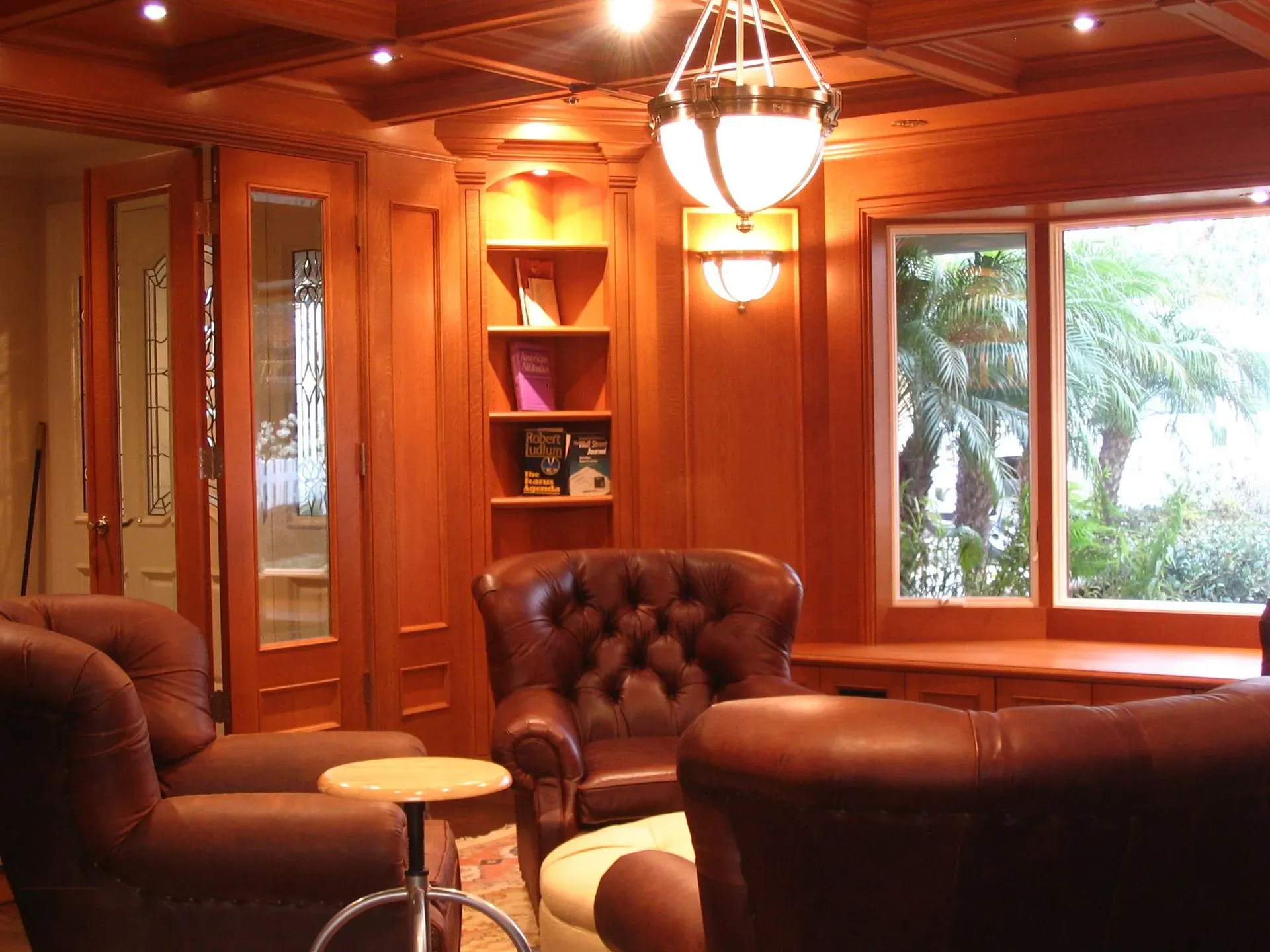
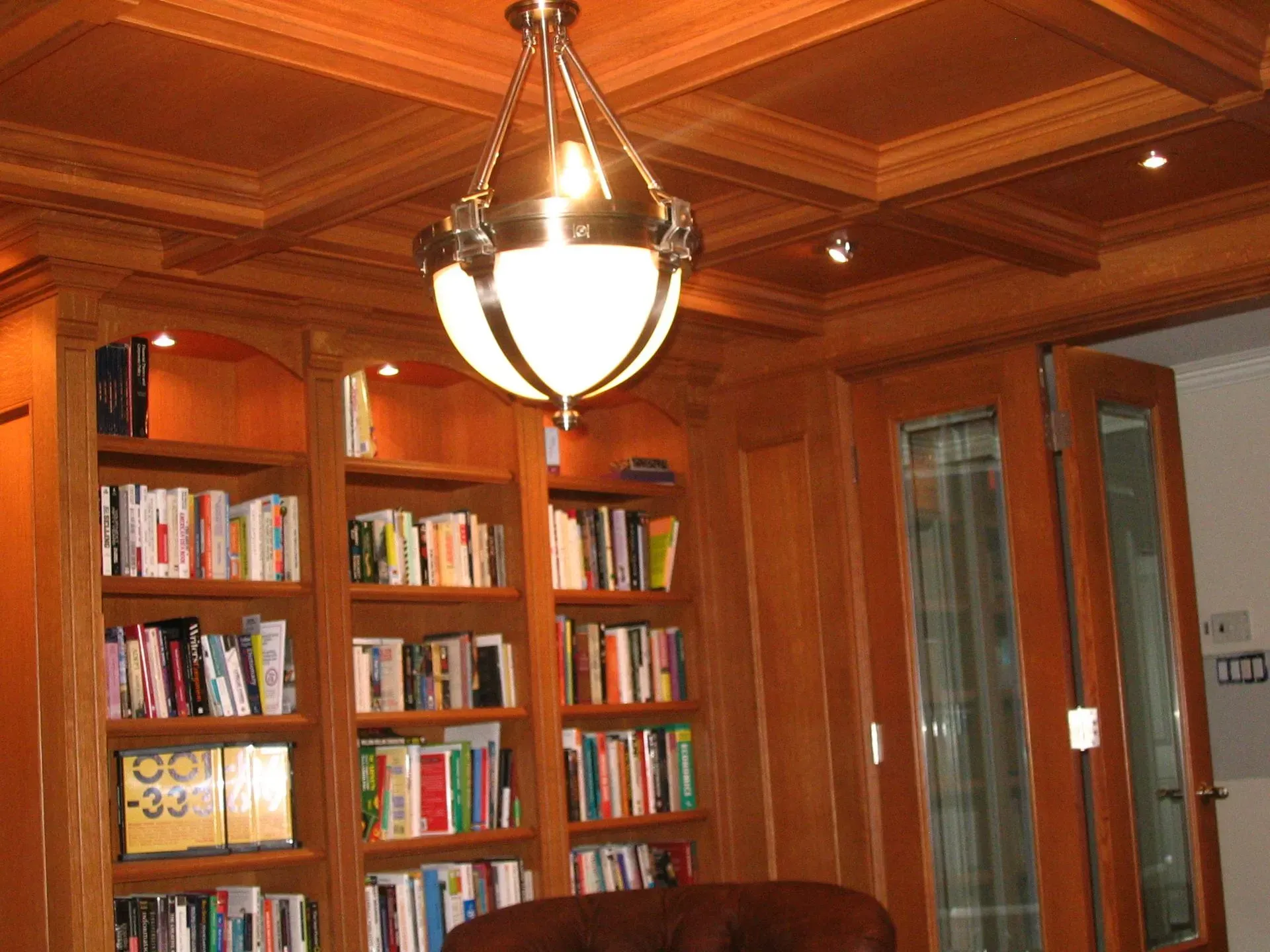
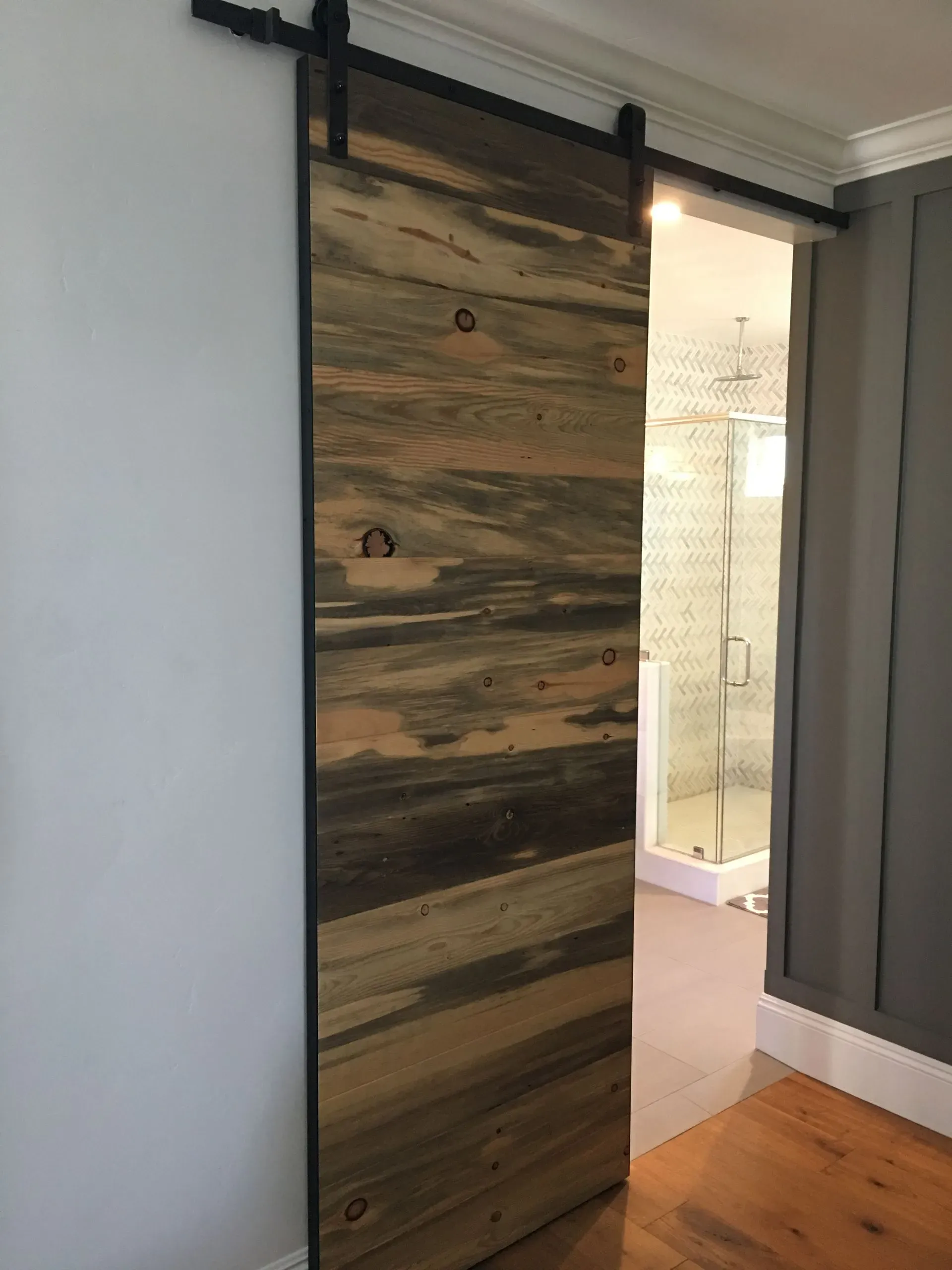
Each installation is milled to match wood species, grain direction, and finish color across all trim elements, then fitted with professional installation techniques that ensure mitered corners close tightly and reveals remain consistent around every door and window. Quality trim work enhances both new construction where all elements are designed together and remodeling projects where new doors and casings must blend with preserved original woodwork.
Set up a measurement appointment to review door styles and trim profiles that will complete your interior spaces.
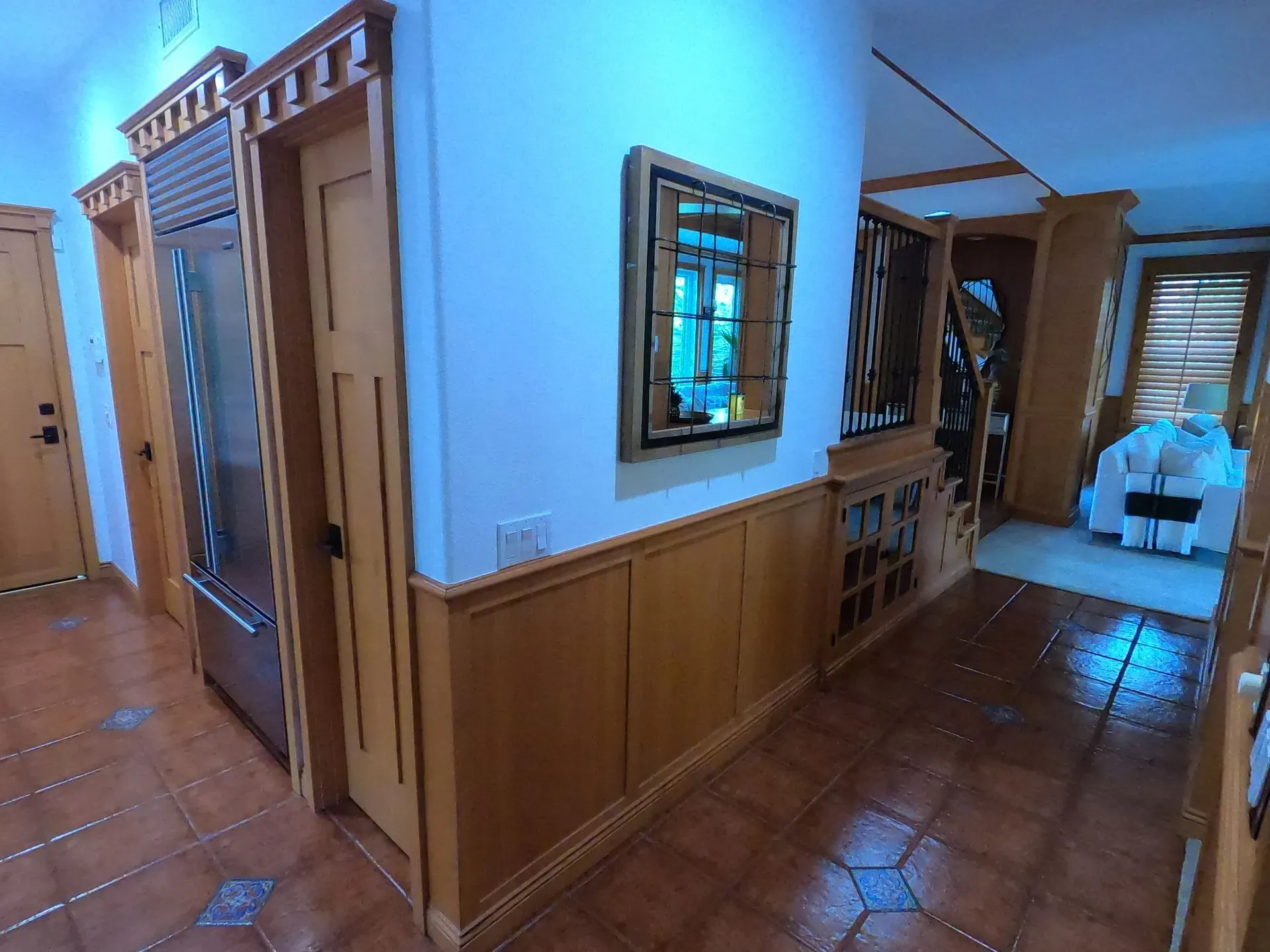
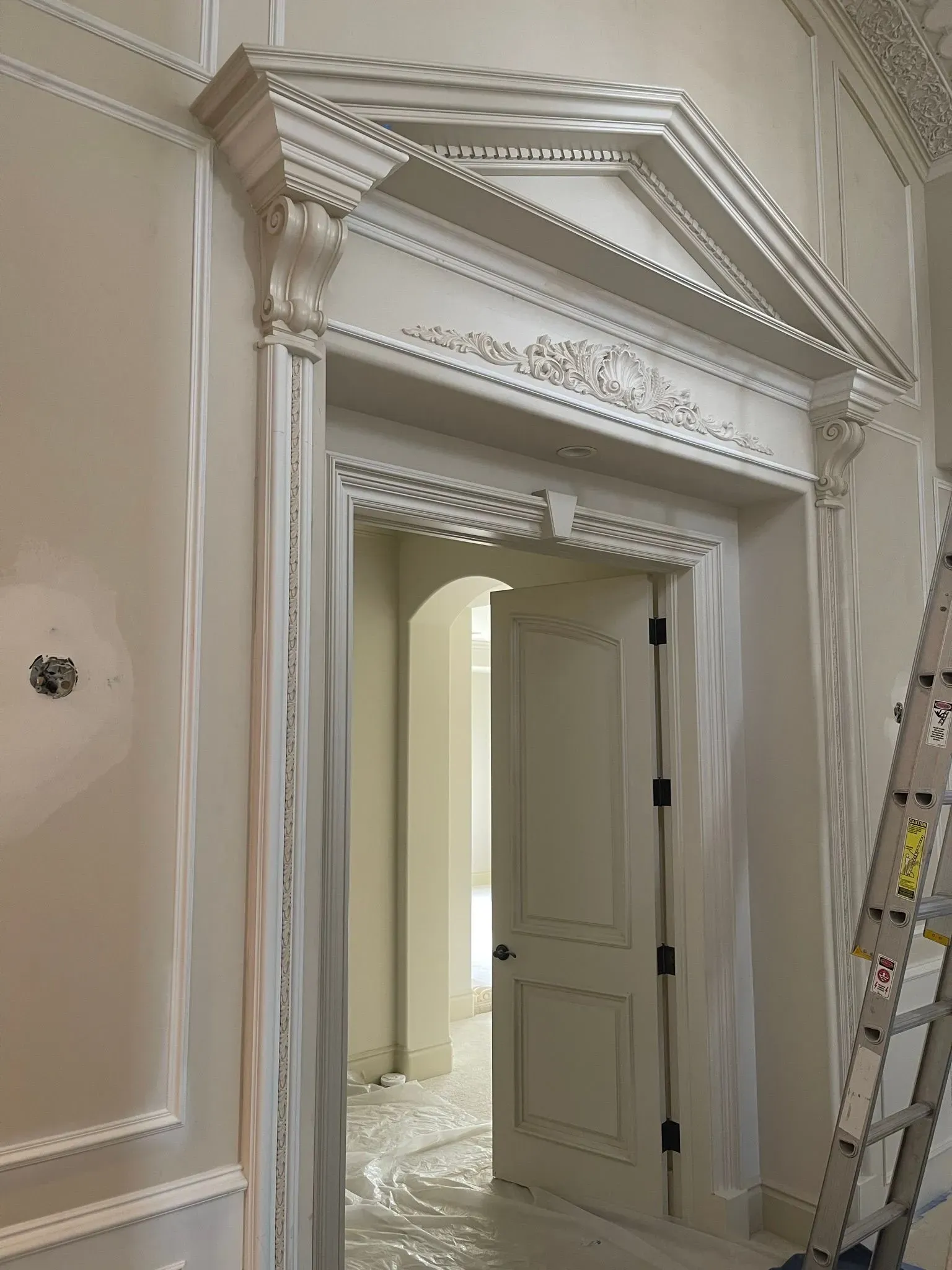
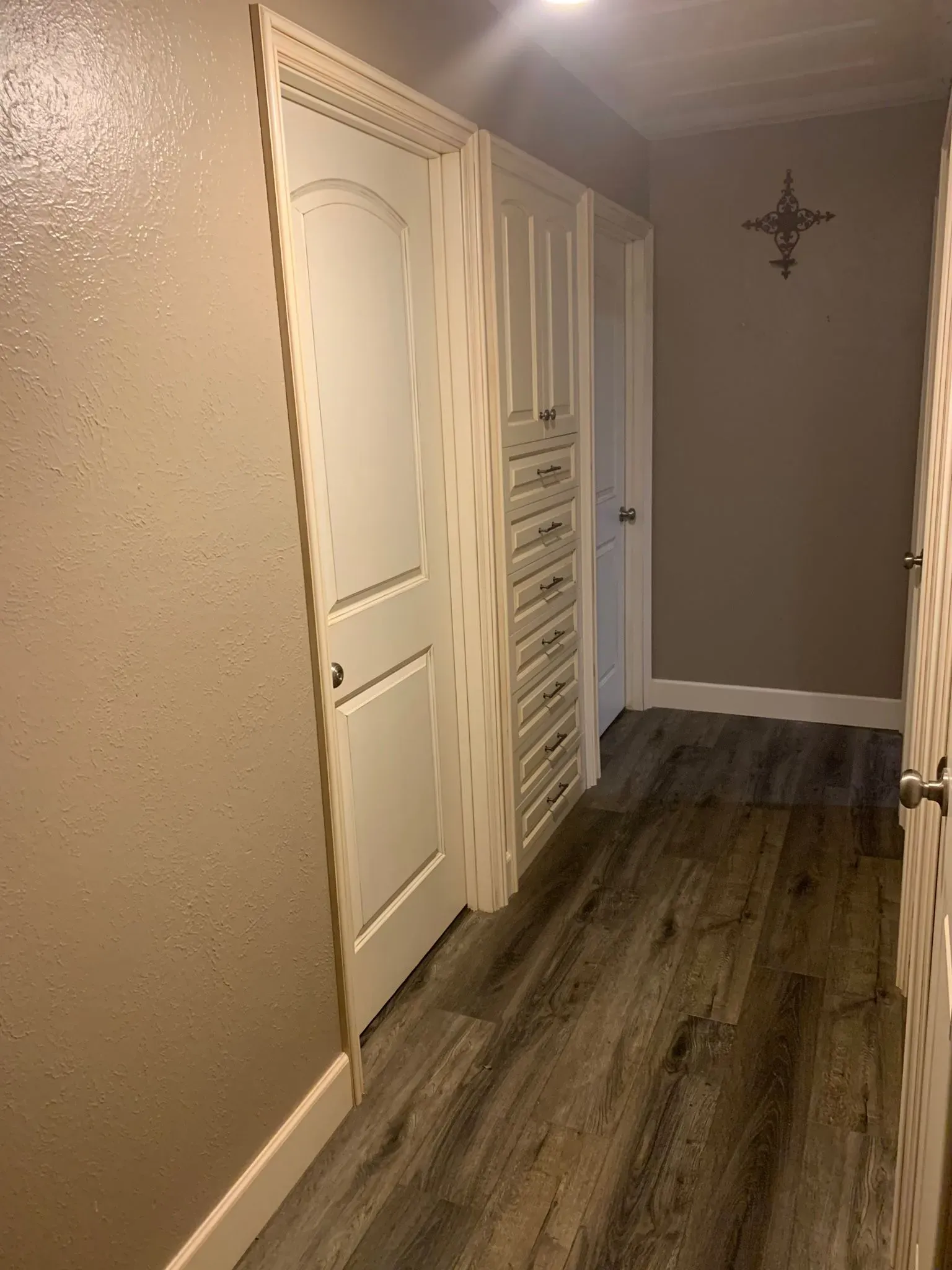
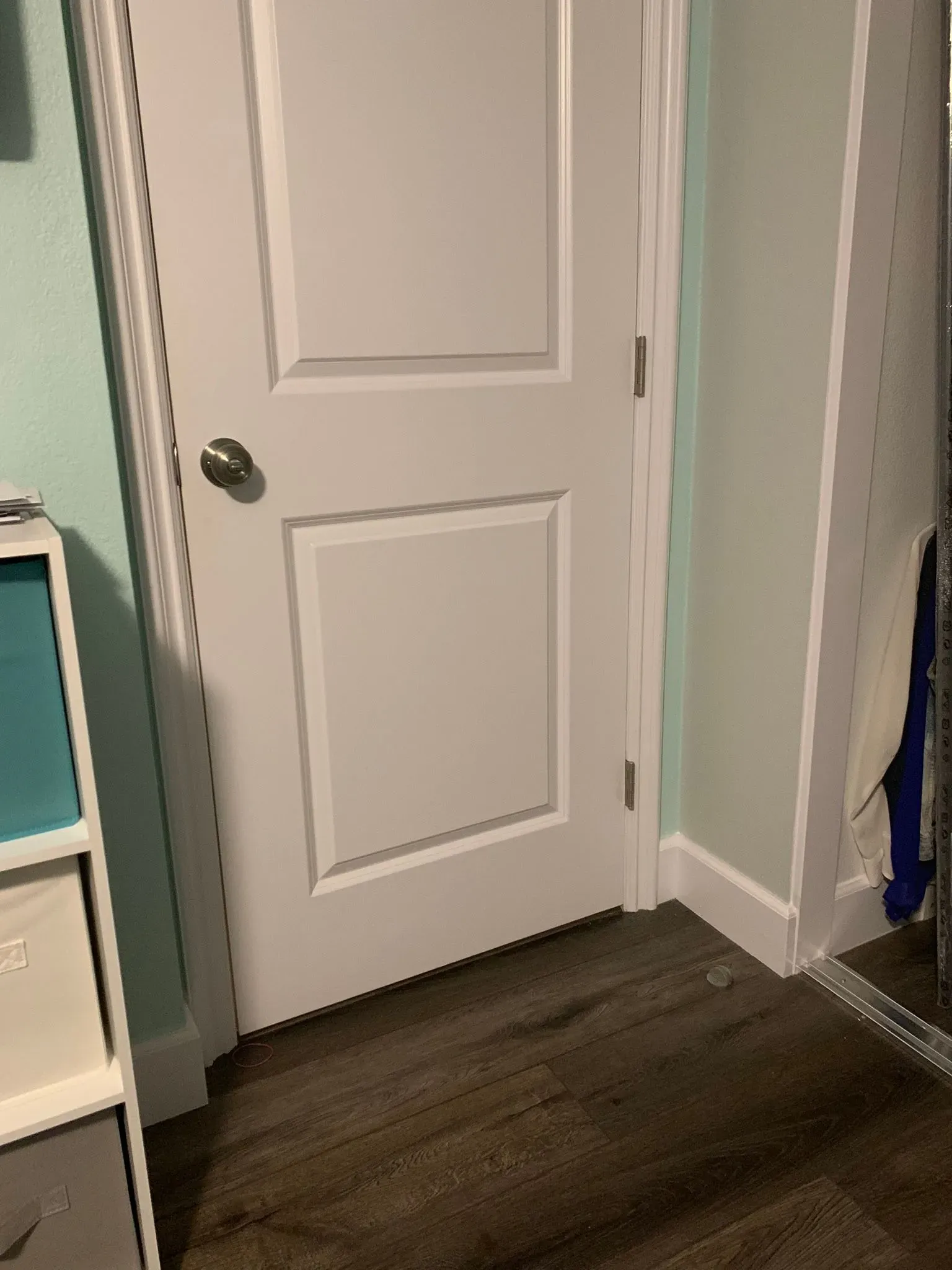
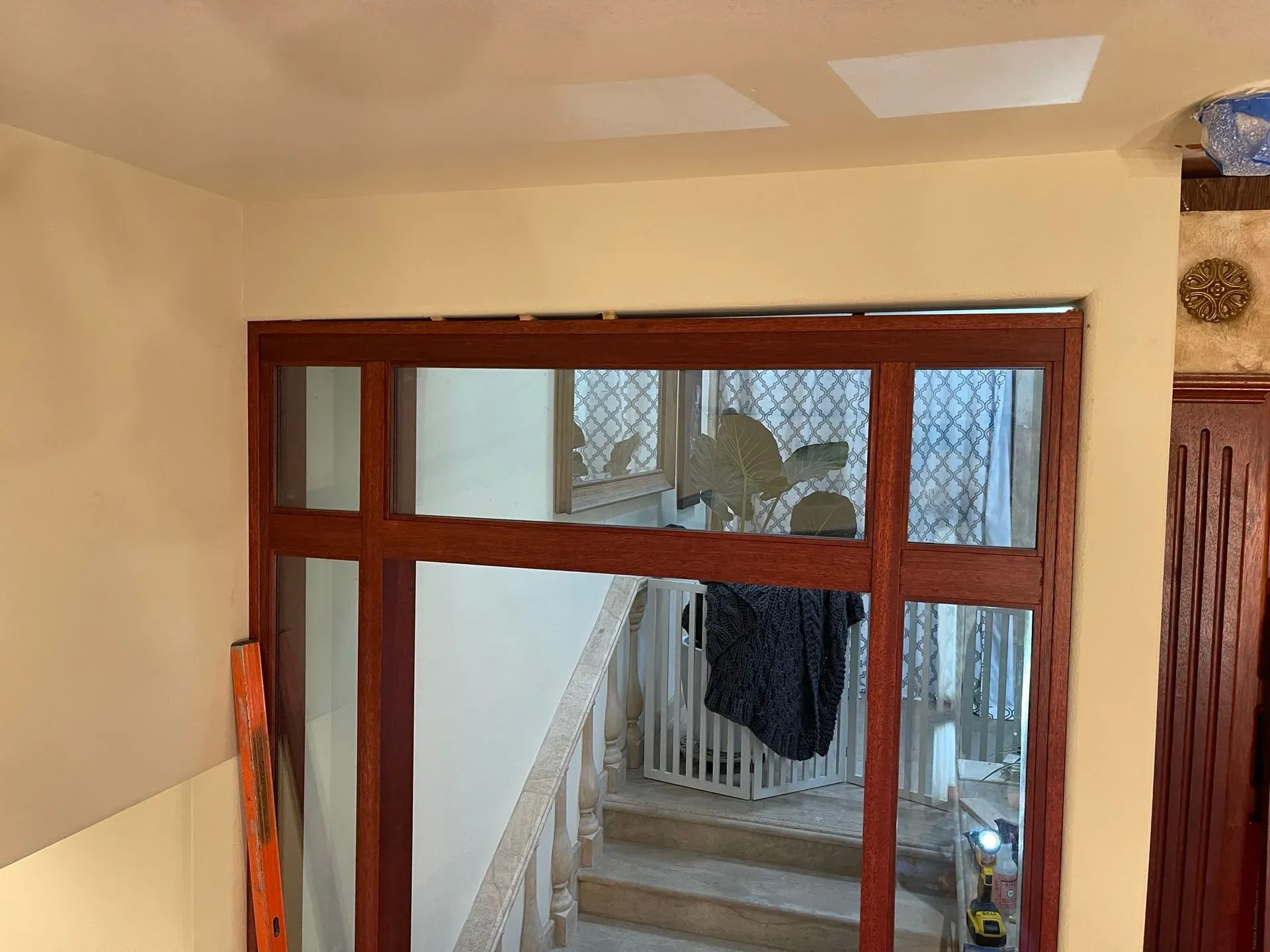
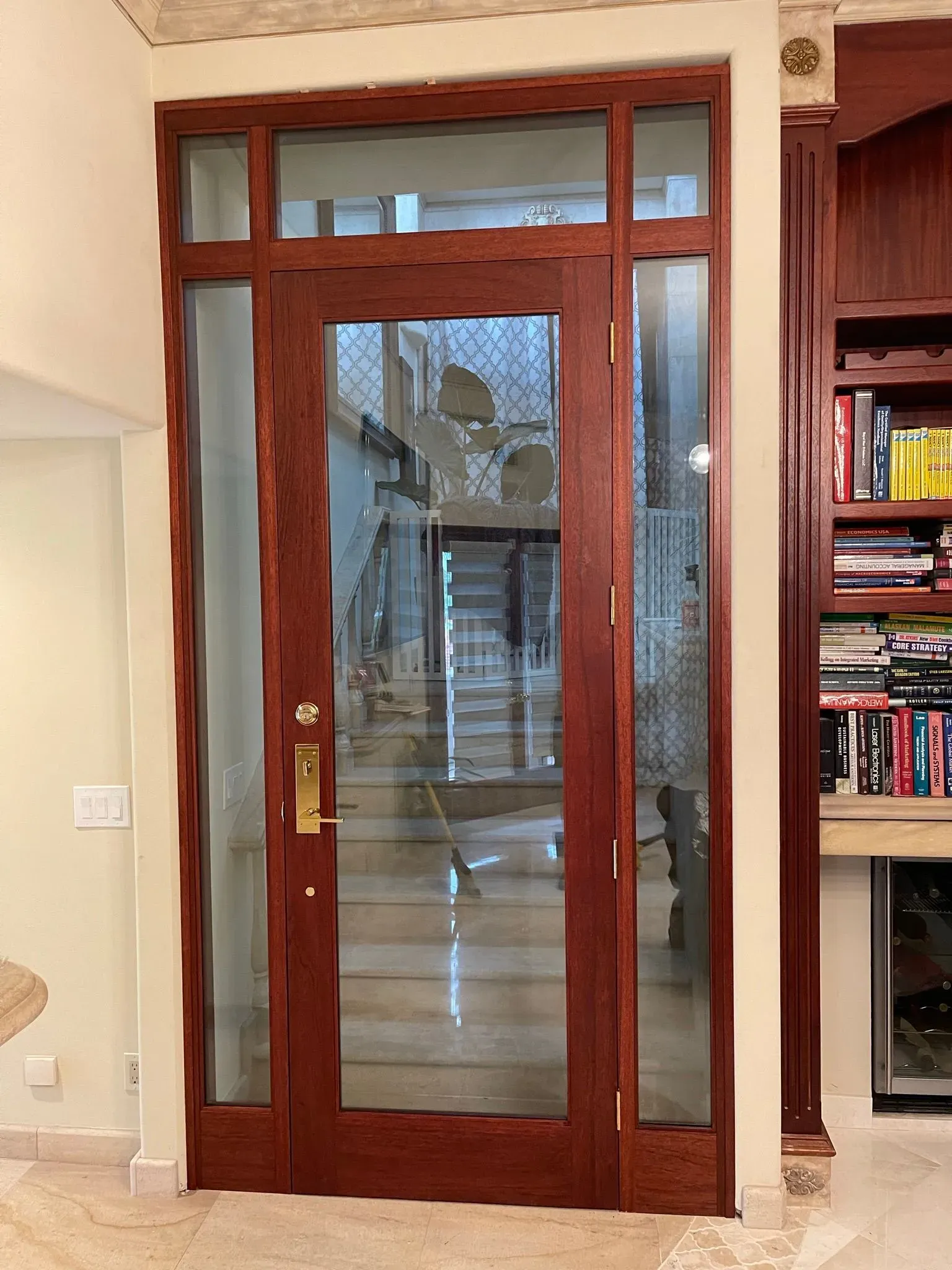
What Proper Trim Installation Requires Beyond Cutting Angles
Installation begins with verifying that door frames are plumb and square, shimming as needed so that doors swing freely without binding and gaps remain even along the entire perimeter. Casing miters are cut after measuring the actual door frame rather than relying on assumed dimensions, and baseboards are scribed to follow floor contours where settling or uneven subfloors create gaps between the trim and the surface below. All pieces are pre-finished before installation to avoid brush marks along edges and ensure stain penetrates evenly across routed profiles.
After trim is installed, door openings appear intentional and proportional, with casing widths that balance the scale of the door itself and baseboard heights that transition smoothly into adjacent rooms. Doors close securely without rattling, and hardware aligns so that latches engage without resistance. The visual consistency of matching trim profiles throughout the home creates flow between spaces and allows furniture and decor to stand out rather than competing with mismatched woodwork details.
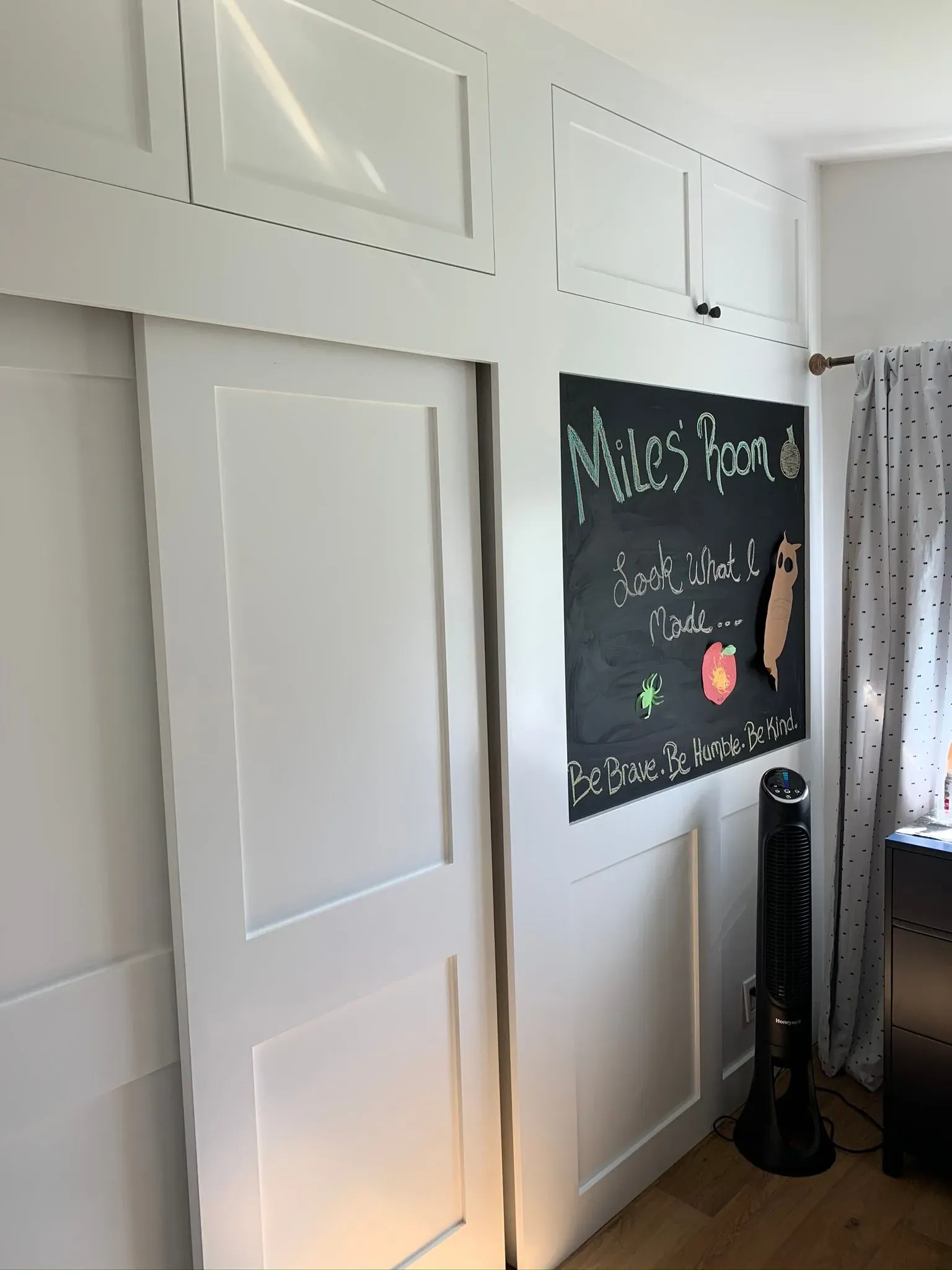
Custom door construction includes options for panel configurations, glass inserts, and hardware placements that suit the door's function, whether separating public areas from private bedrooms, closing off pantries and closets, or providing passage between open living spaces. Solid wood construction resists warping and maintains tight joinery even with seasonal humidity changes common in the region.
What Homeowners Ask About Doors and Trim
Selecting the right profiles and door styles depends on the home's overall design, existing woodwork, and whether trim needs to match or complement surrounding elements.
What is the difference between paint-grade and stain-grade trim?
Paint-grade trim is milled from poplar or MDF with smooth surfaces suited to opaque finishes, while stain-grade trim uses hardwoods like cherry or maple with visible grain patterns that show through clear or tinted finishes.
How do you match new trim to existing woodwork in a remodeling project?
Matching involves identifying the wood species, measuring the profile dimensions and edge details, and replicating the finish color using stain samples tested on the actual wood to account for grain and absorption differences.
Why do door casings sometimes have different widths?
Casing width is chosen to balance the door size and wall space, with wider casings suiting larger openings and formal rooms while narrower profiles work in smaller spaces or modern interiors where minimal trim is preferred.
Can interior doors be custom sized for non-standard openings?
Custom doors are built to exact dimensions for openings that do not conform to standard residential sizes, common in older homes or spaces where structural alterations created unusual frame heights or widths.
What causes doors to stick or swing open on their own after installation?
Sticking usually results from frames that are not plumb or doors that are too thick for the frame depth, while self-swinging doors indicate floors that slope or hinges that are not properly aligned vertically along the door edge.
Tellico Woodworks crafts interior doors and trim that create cohesive transitions throughout your home with precise fitting and consistent finish details. Call (423) 261-2448 to discuss trim profiles and door options for your upcoming project.