
Millwork That Handles High-Volume Commercial Use
Restaurants & Bars in Tellico Plains for custom-built woodwork that supports daily operations and defines dining atmosphere
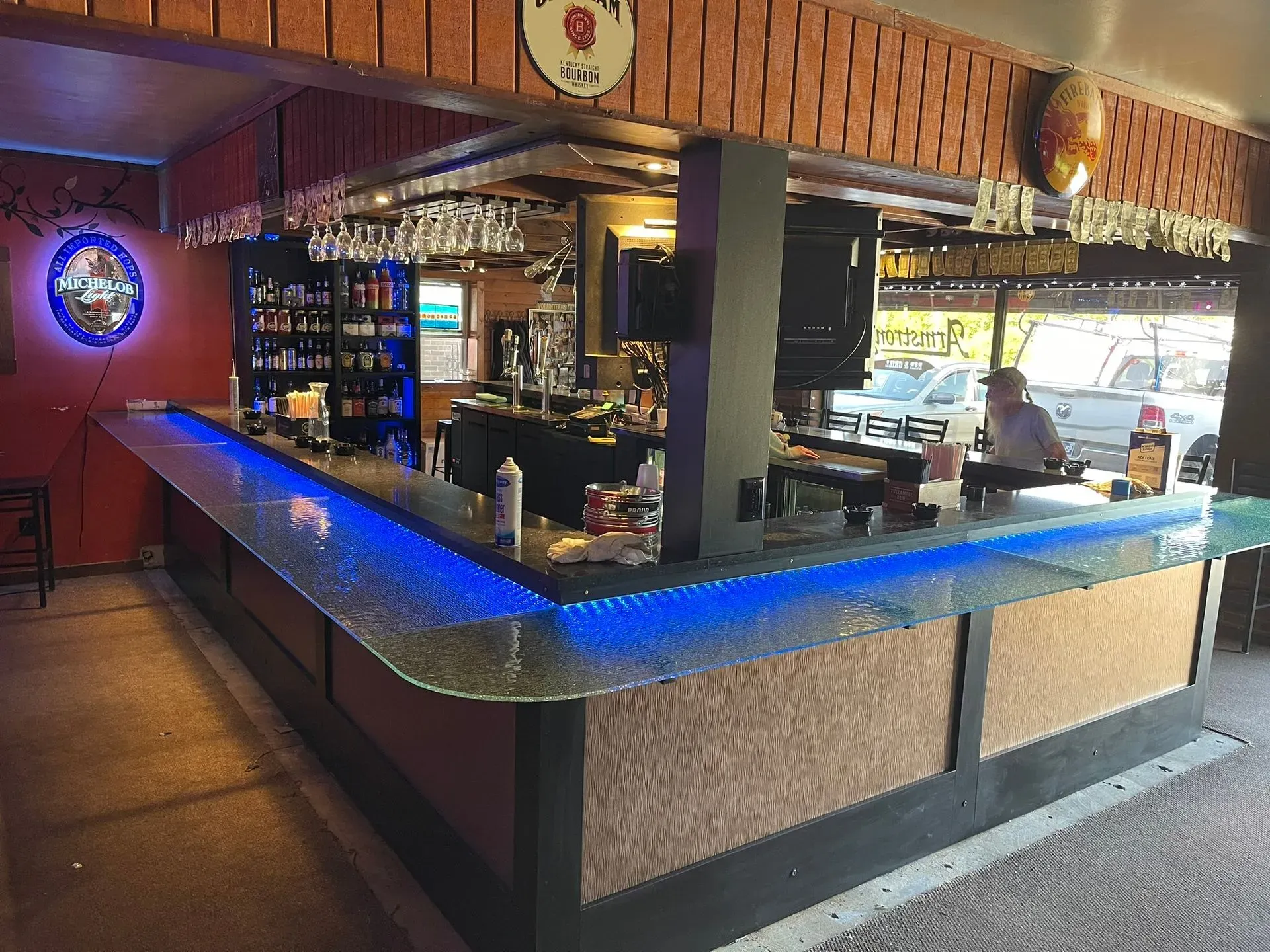
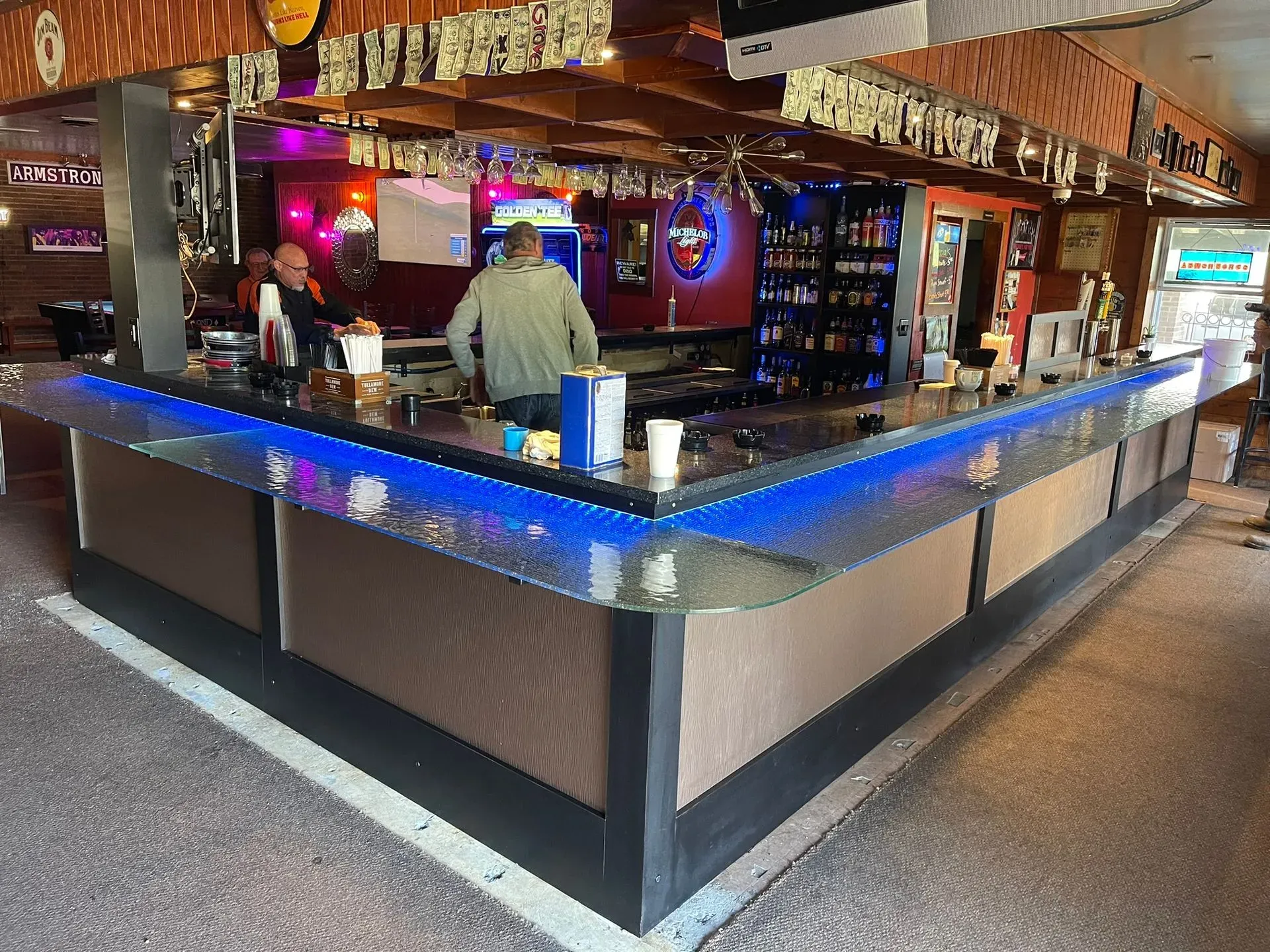
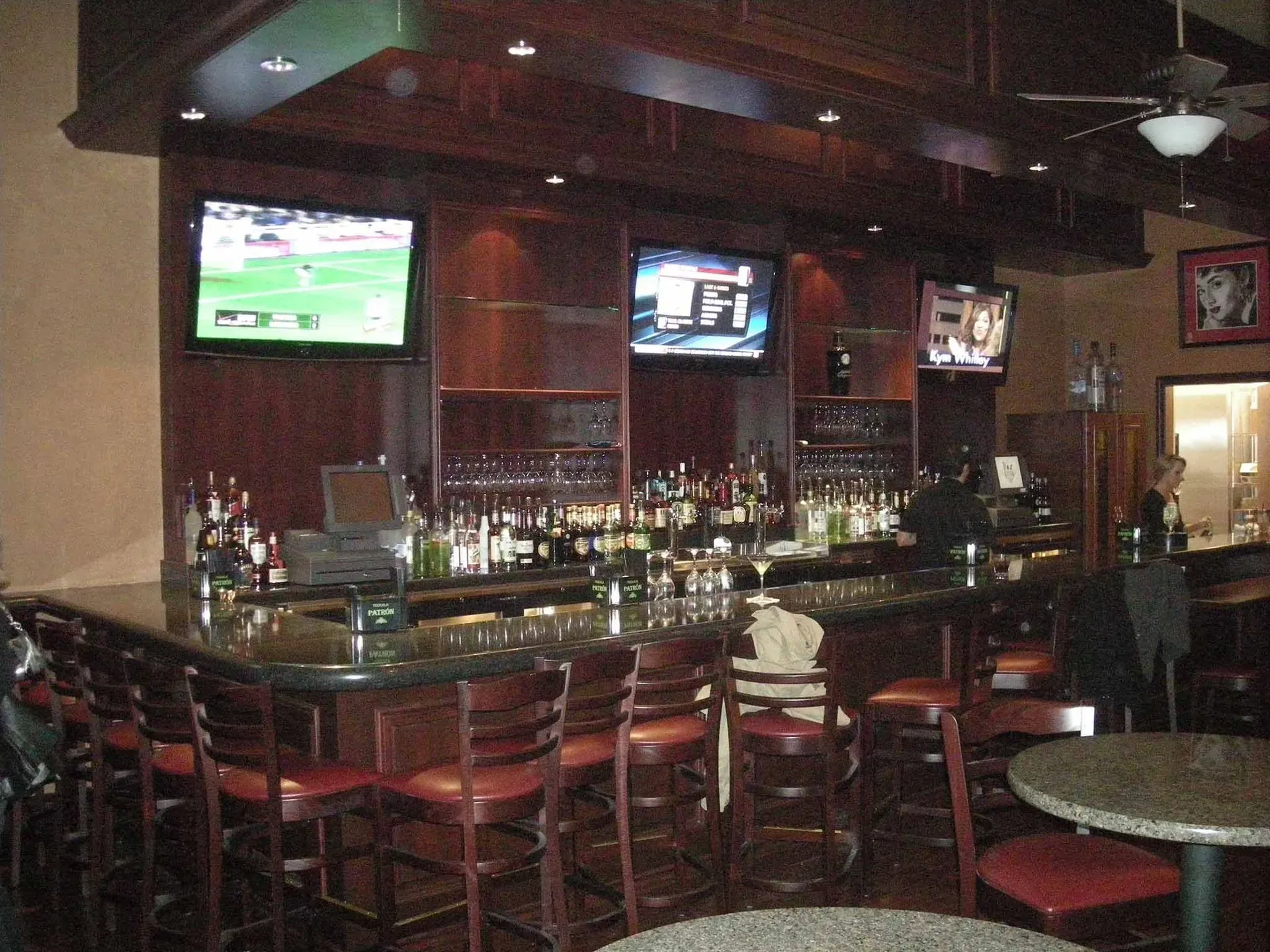
A custom bar top worn thin after two years or cabinetry separating from the wall during a rush tells you that restaurant millwork requires different construction methods than residential work. Tellico Woodworks produces custom millwork for restaurants, bars, breweries, and hospitality venues in Tellico Plains, building every piece to handle the repetitive stress, moisture exposure, and weight loads that commercial environments demand. Each project begins with layout analysis—how staff move through the space, where service bottlenecks form, and which surfaces endure the most contact—so the finished woodwork supports workflow rather than complicates it.
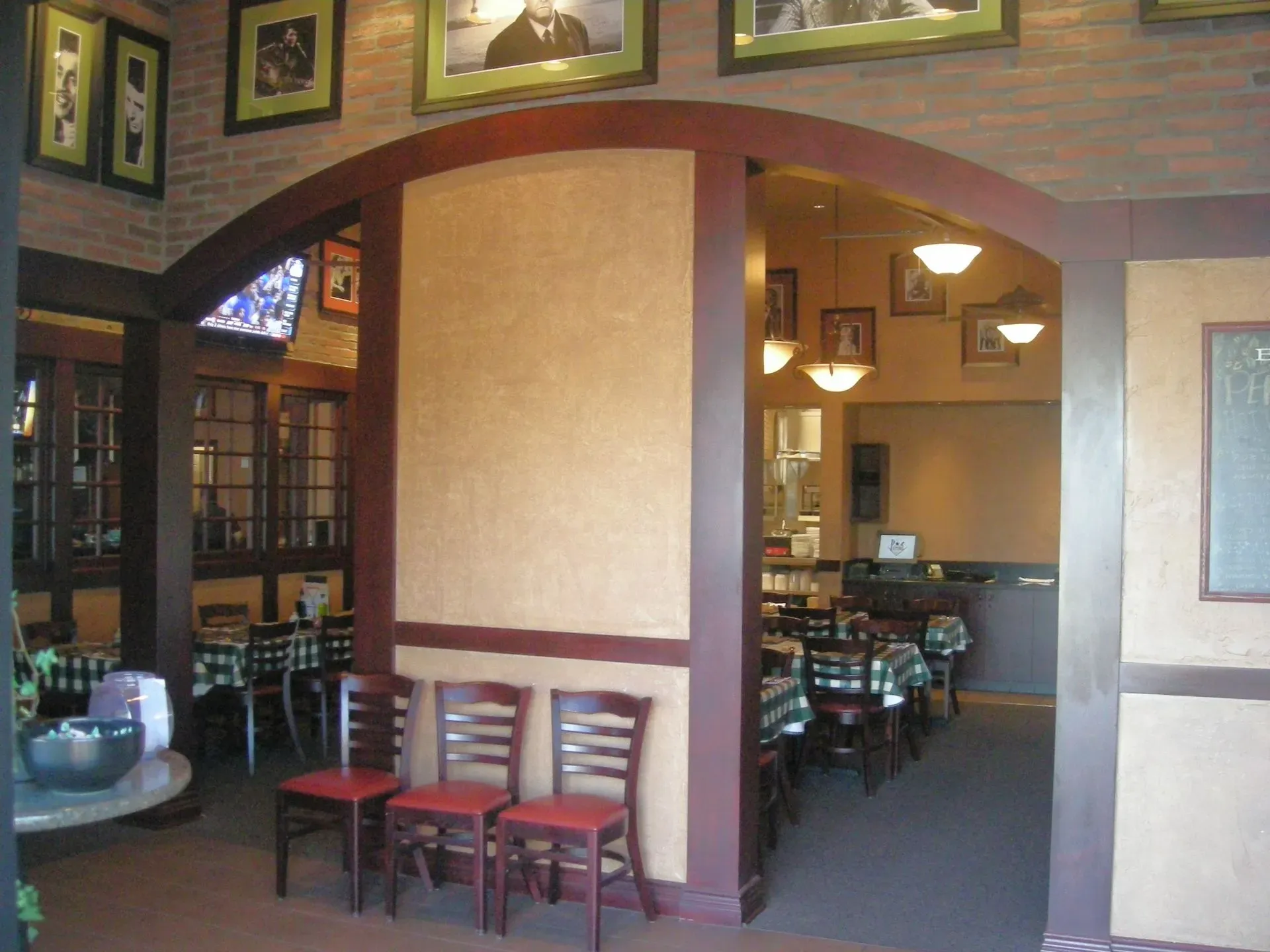
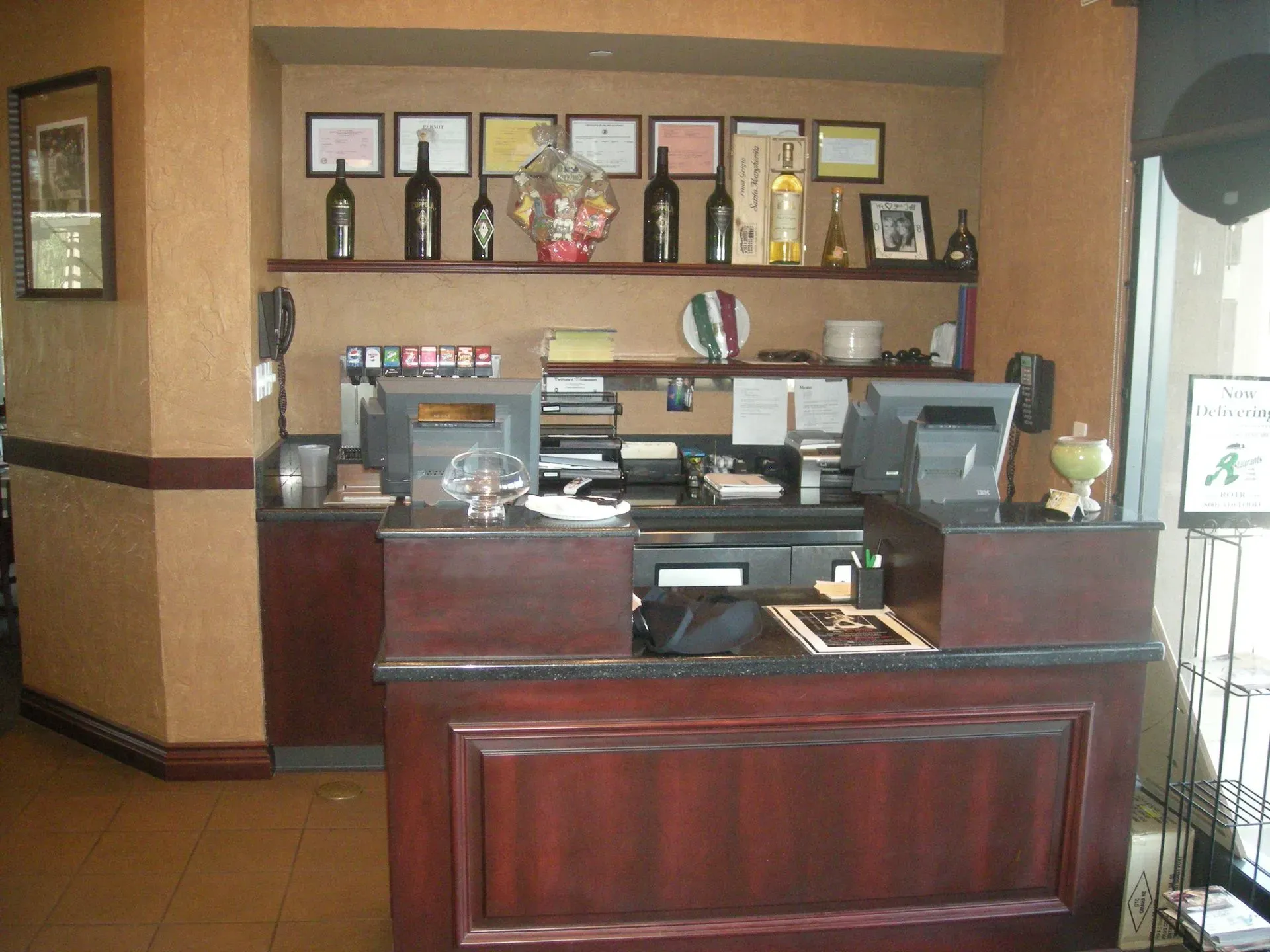
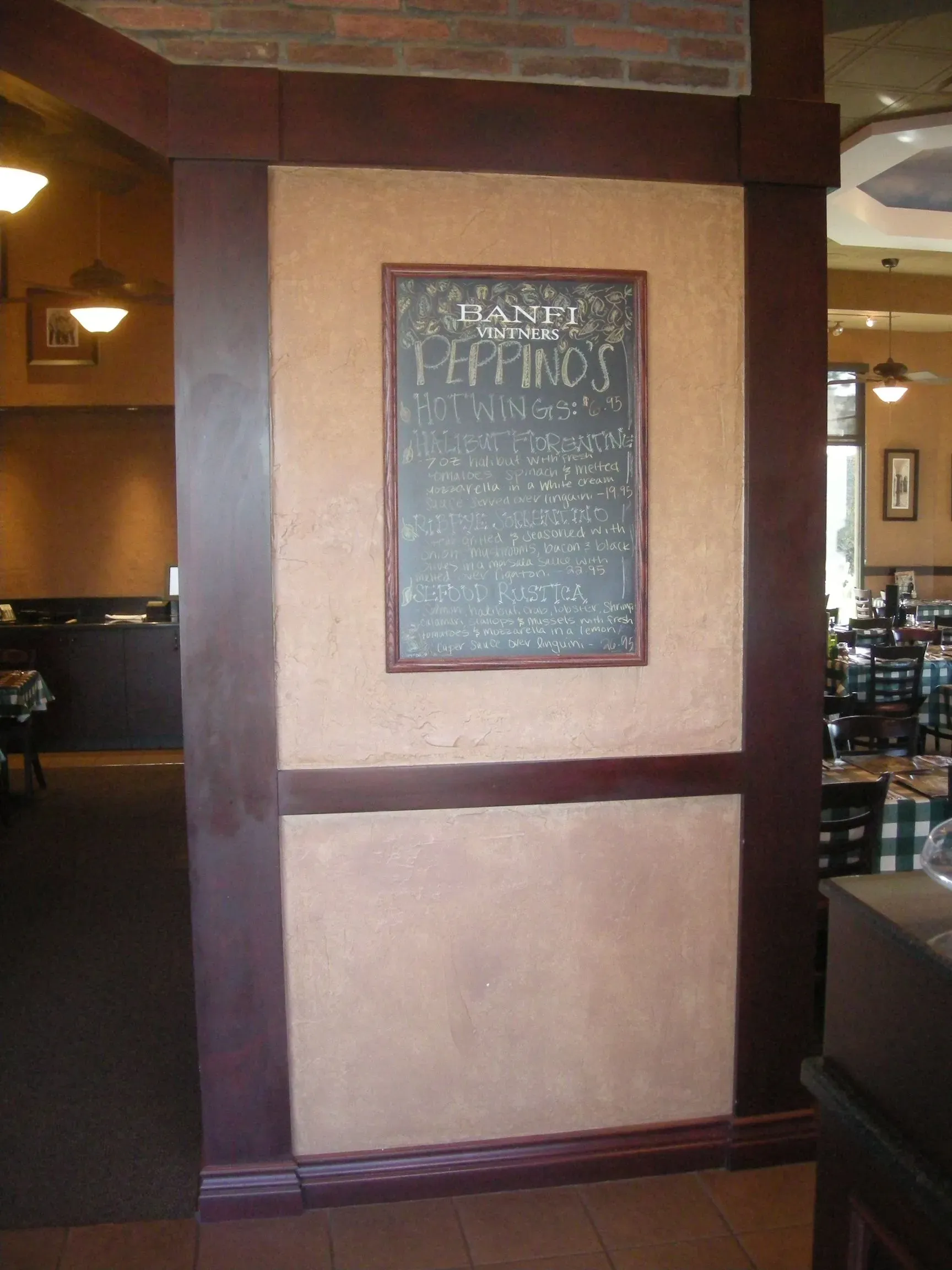
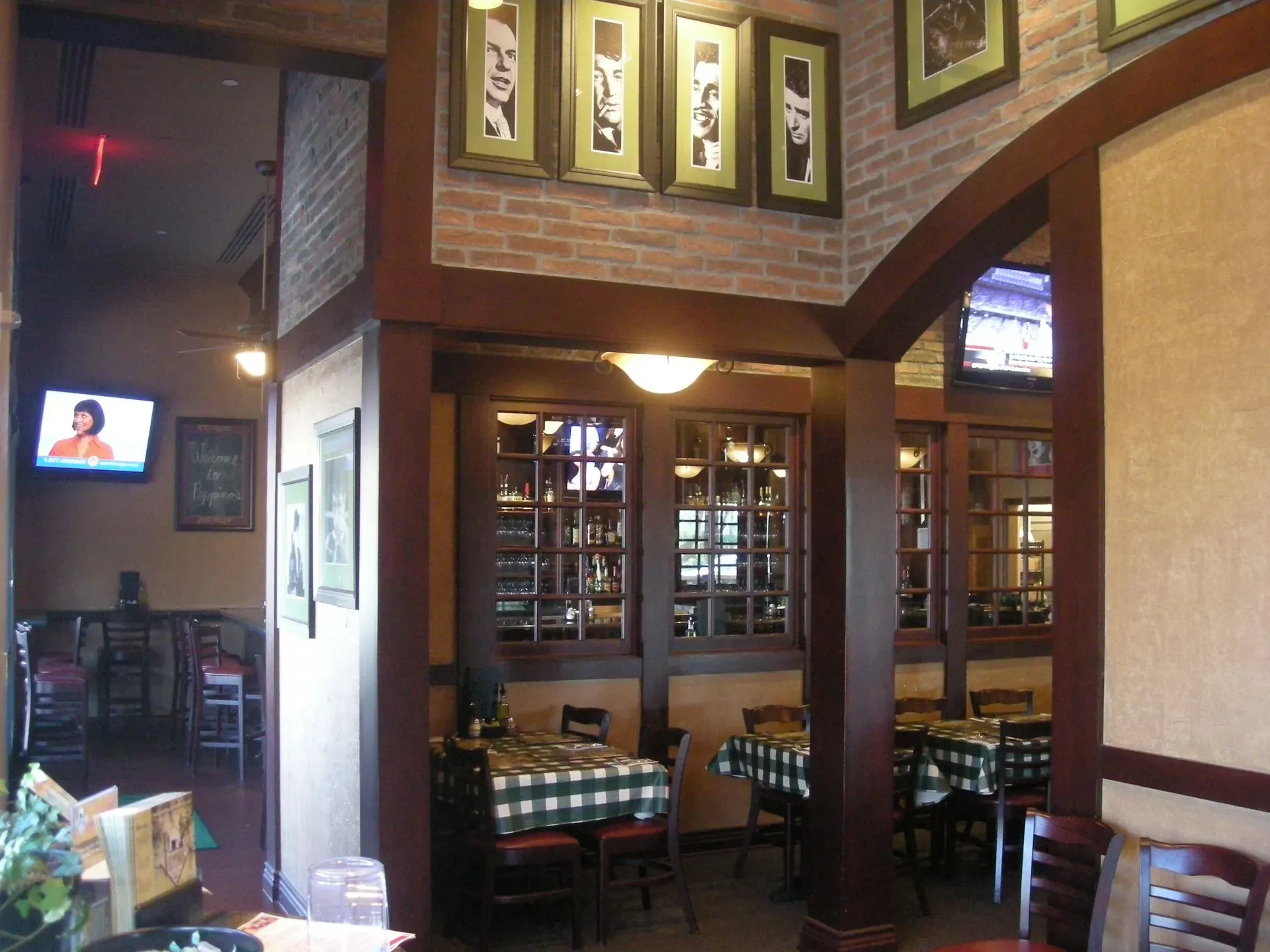
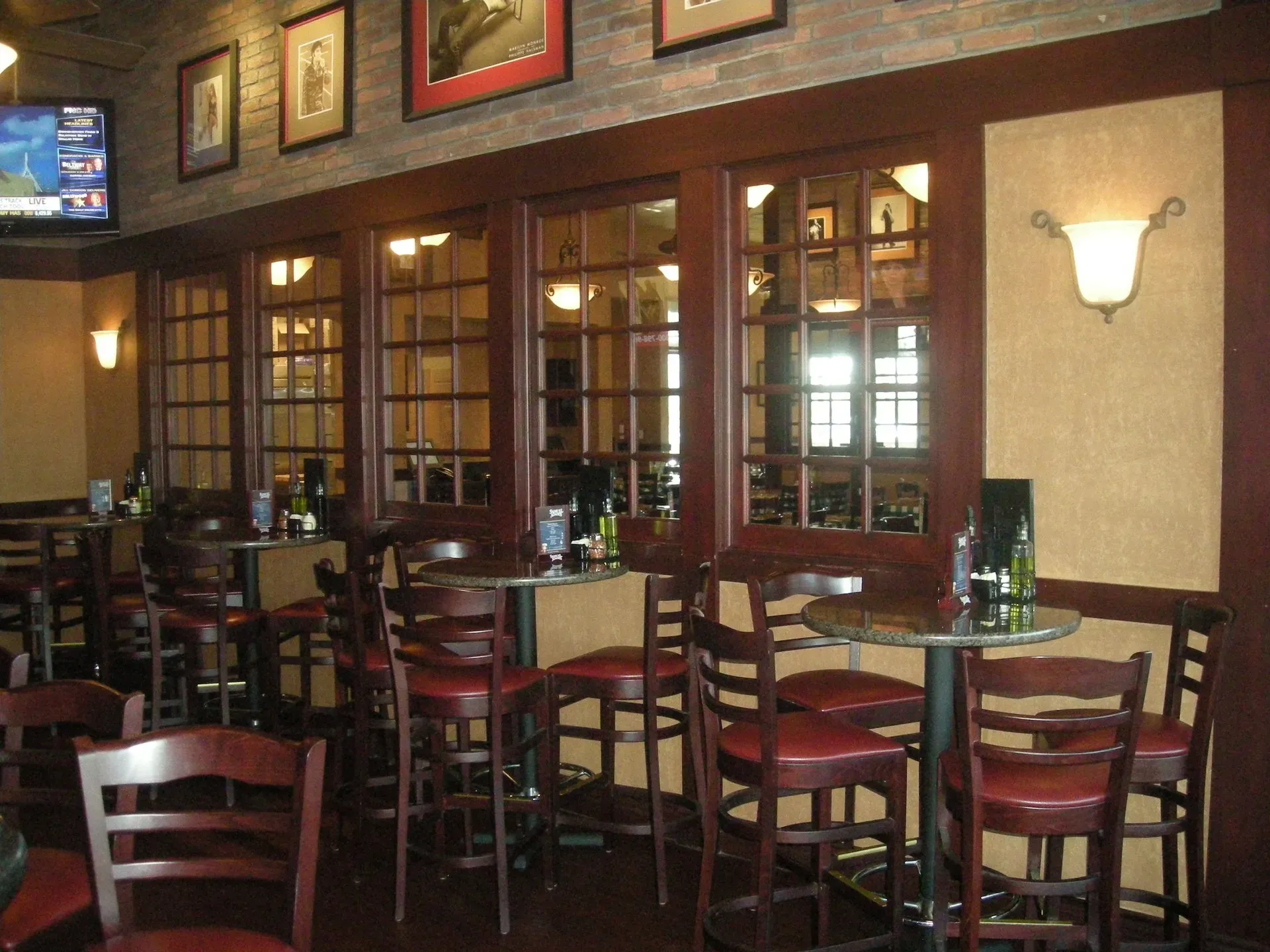
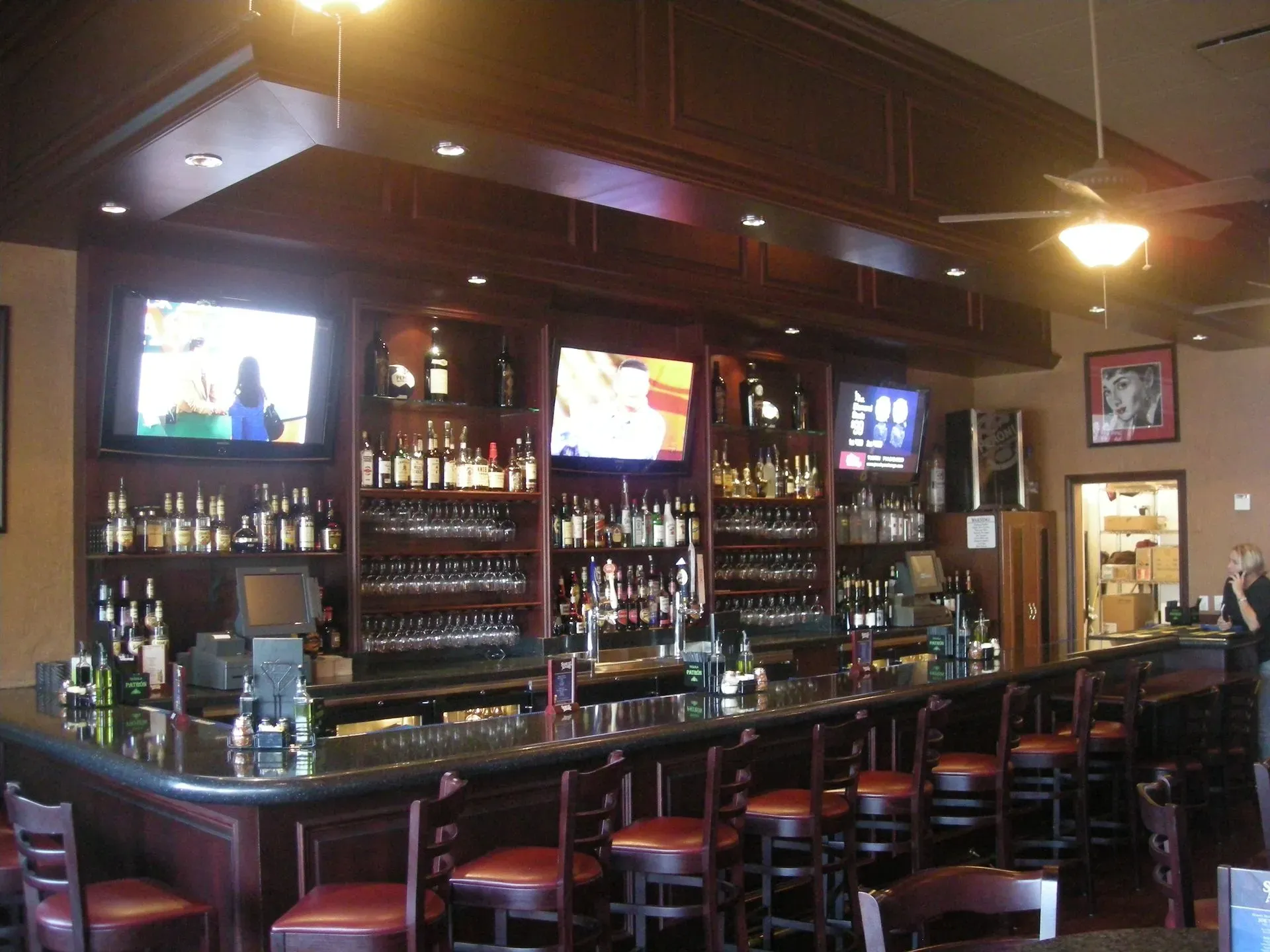
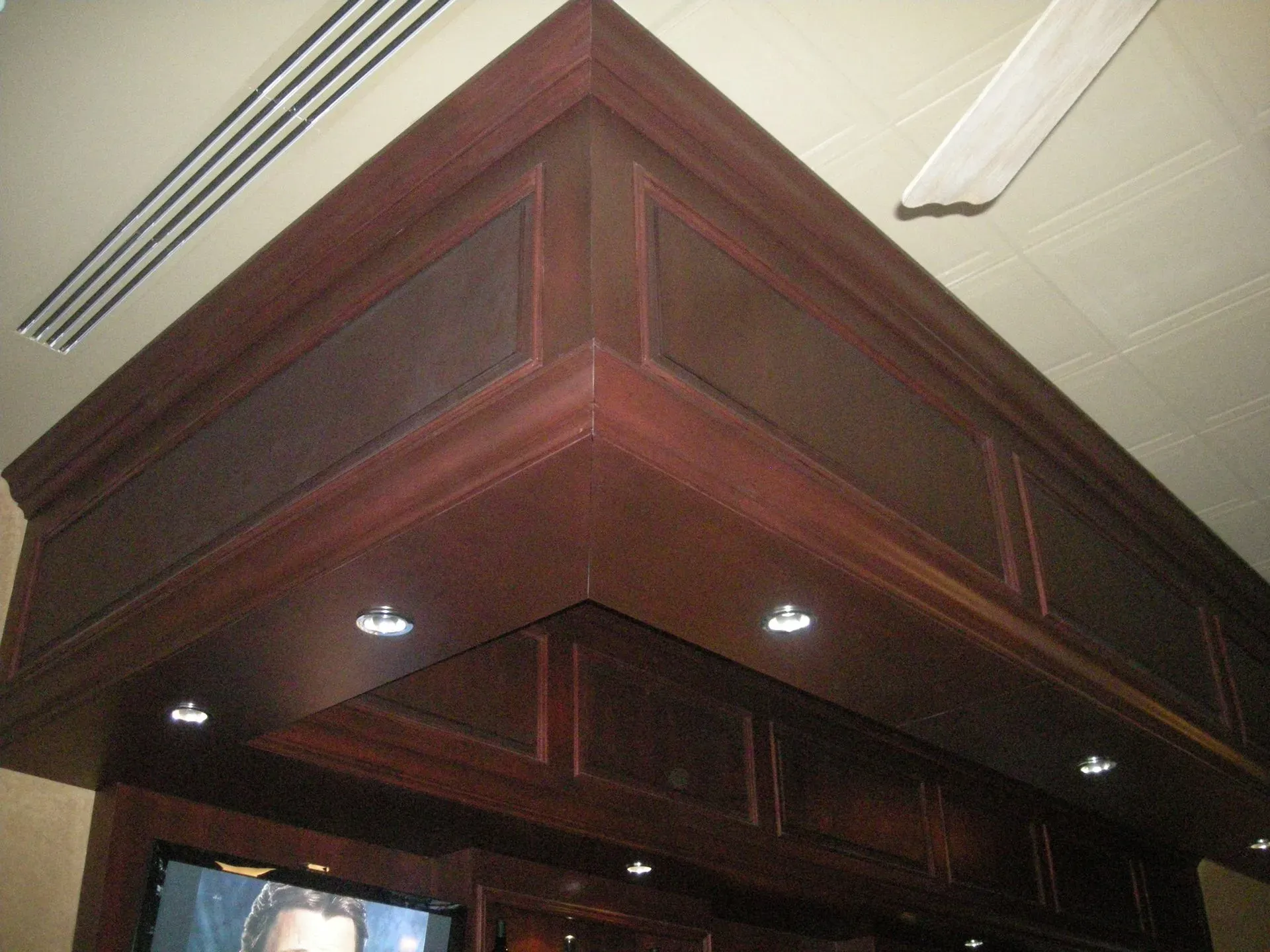
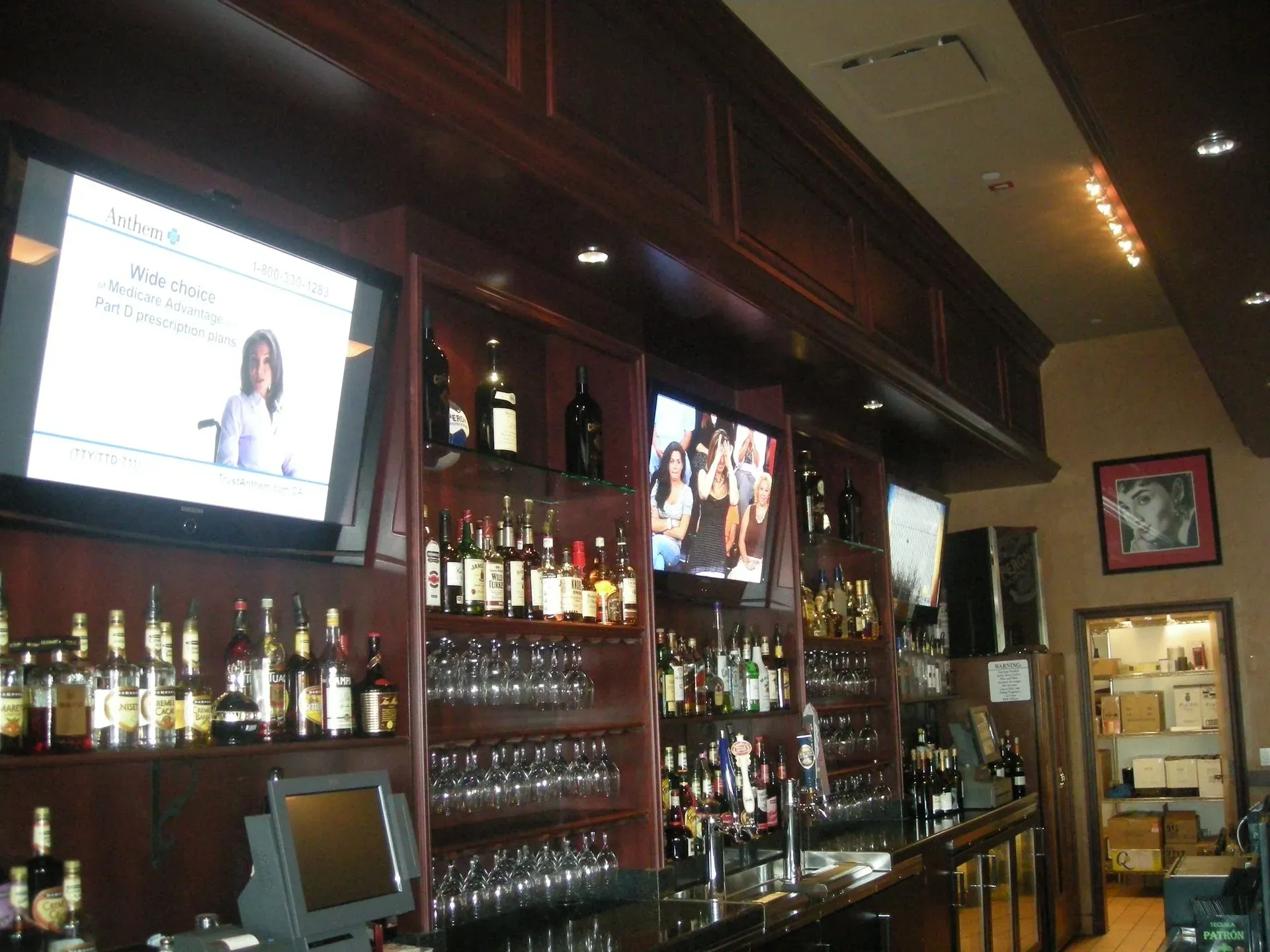
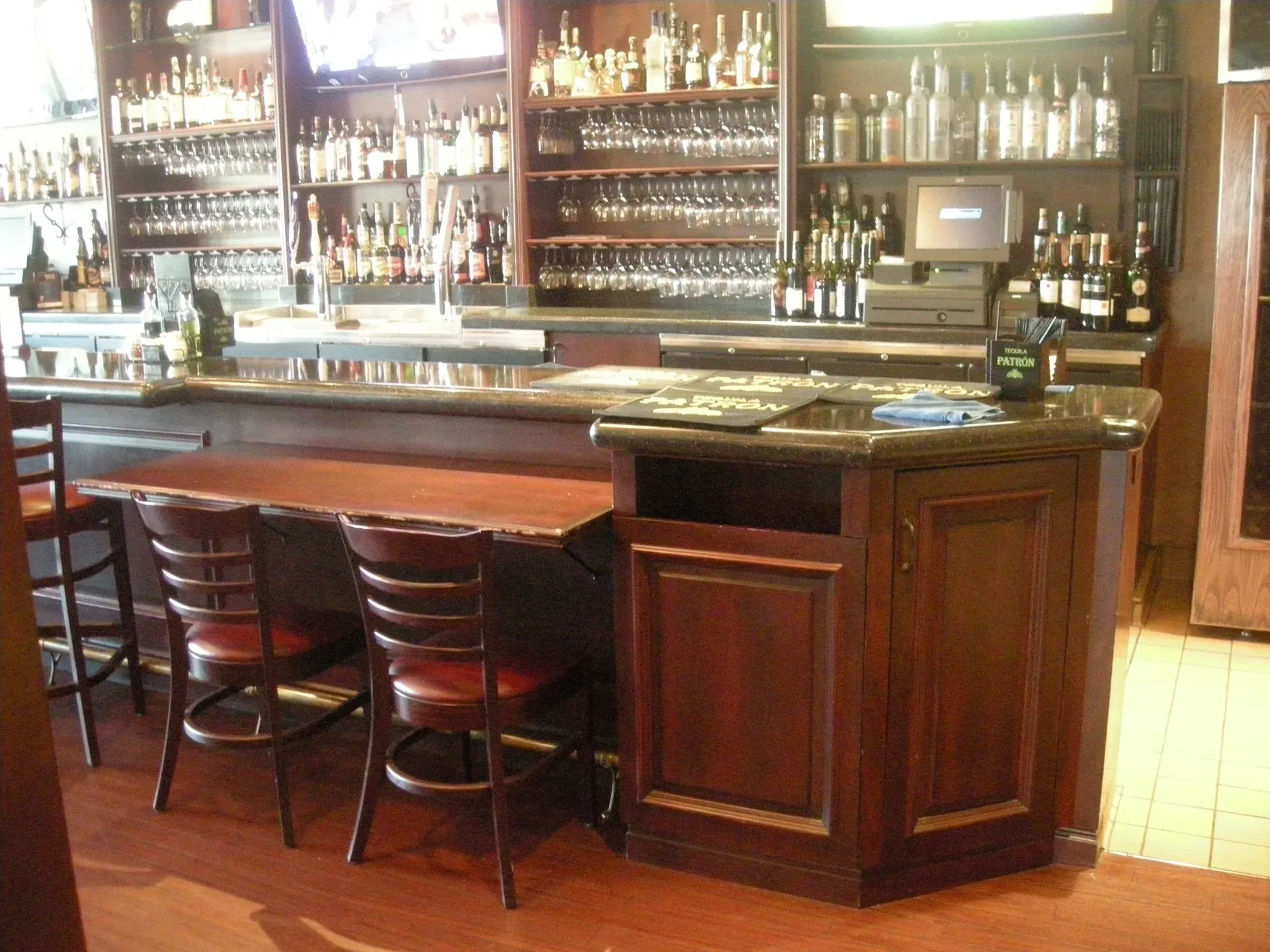
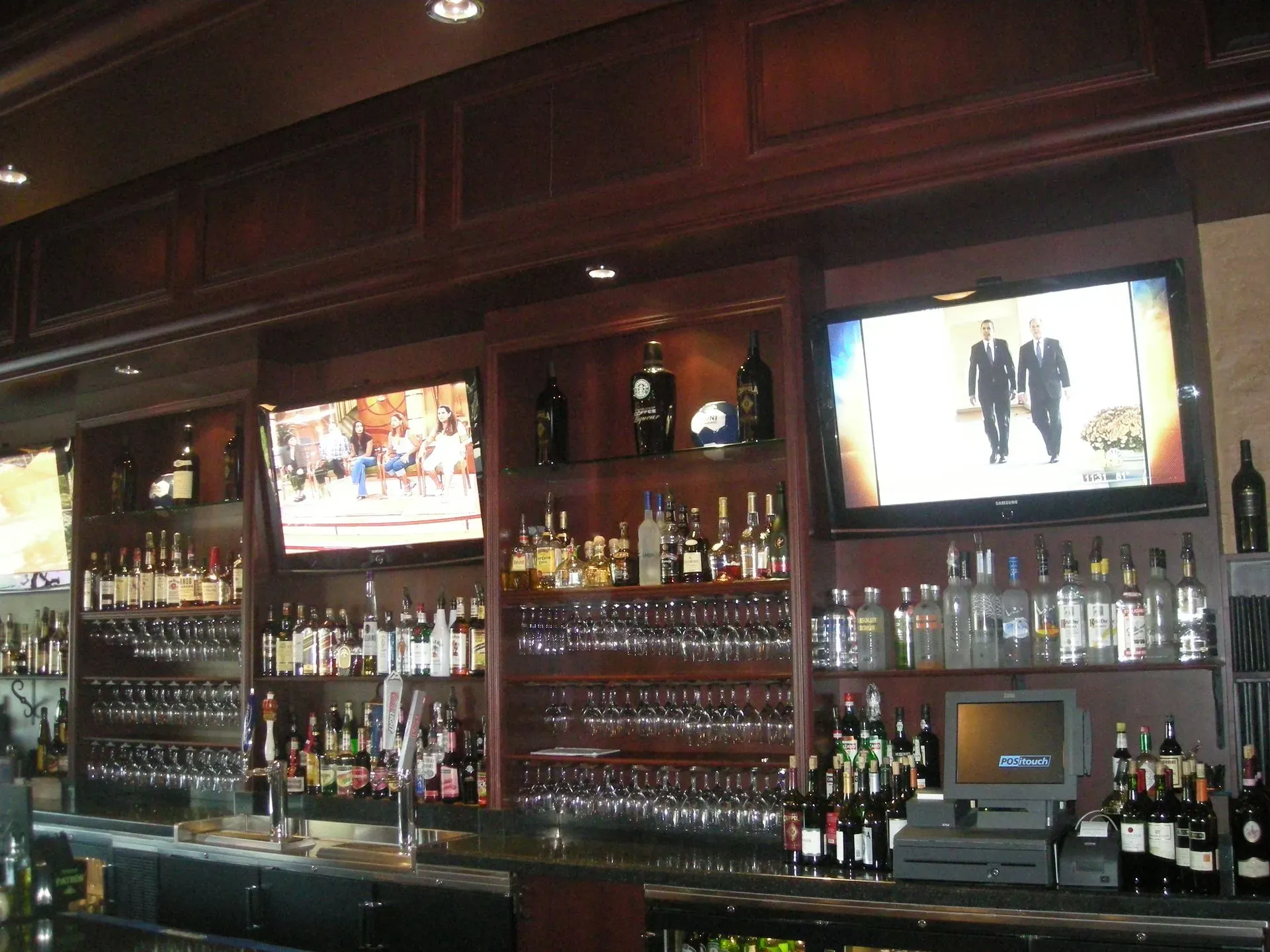
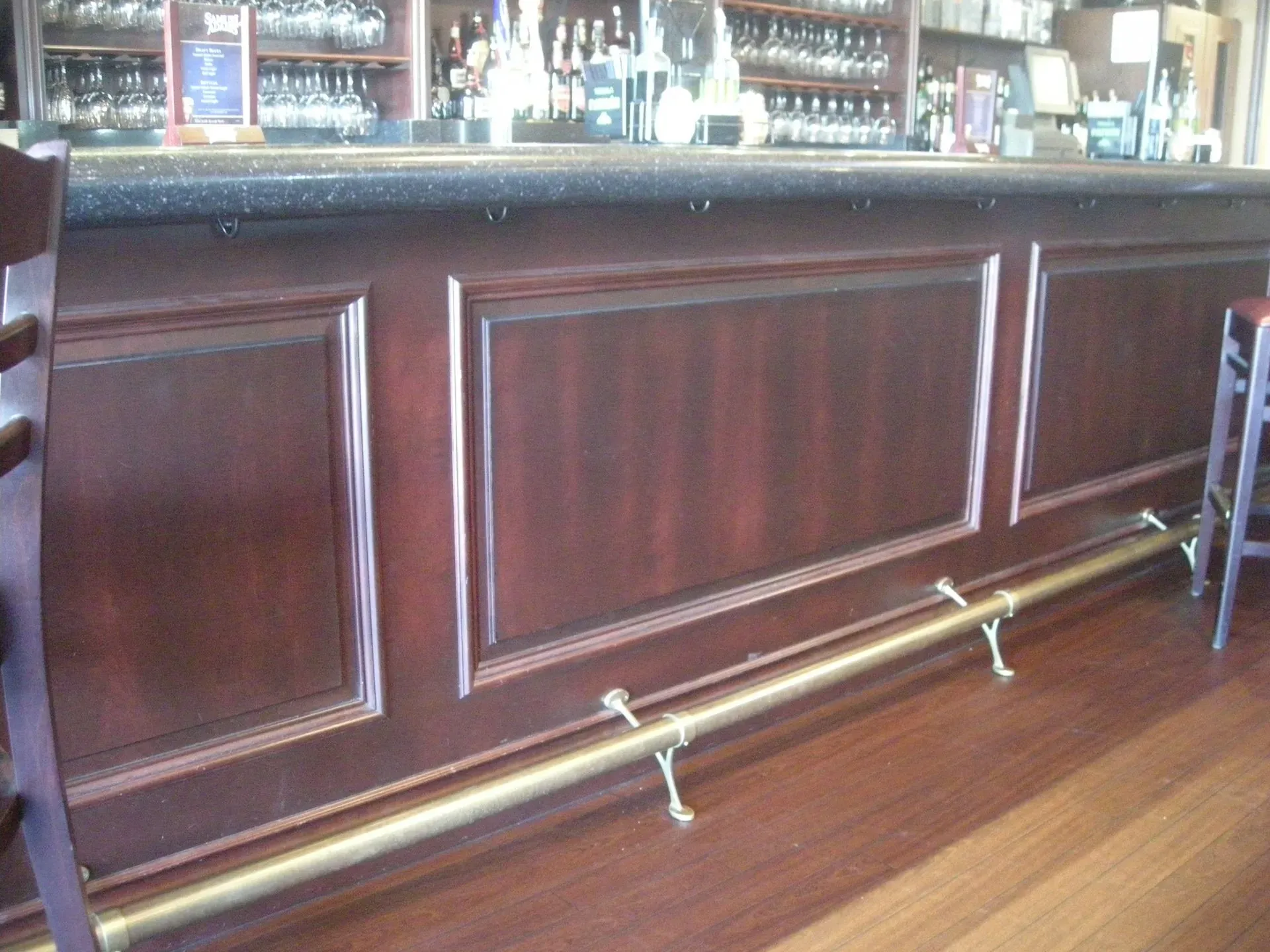
Bar tops, hostess stations, booth features, service stations, shelving systems, and decorative wood accents are built to commercial-grade standards using joinery methods that prevent loosening under constant use. The construction approach accounts for thermal expansion from kitchen heat, humidity from dishwashing stations, and the impact resistance needed in high-traffic zones. Surface finishes are selected based on how often staff will wipe them down and what types of spills they'll encounter regularly.
Schedule an on-site visit to review your floor plan and discuss custom millwork that addresses both operational needs and guest experience goals.
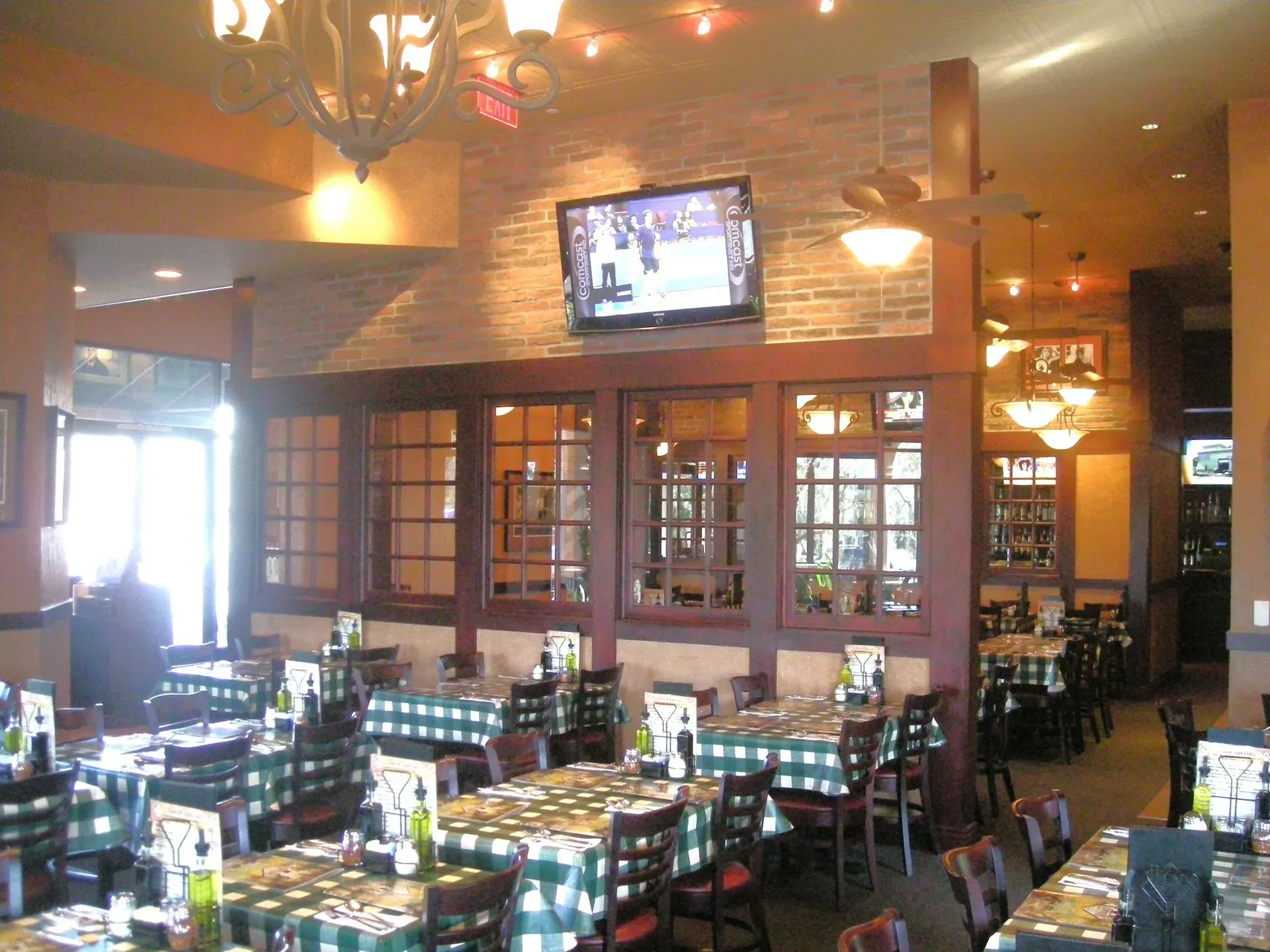
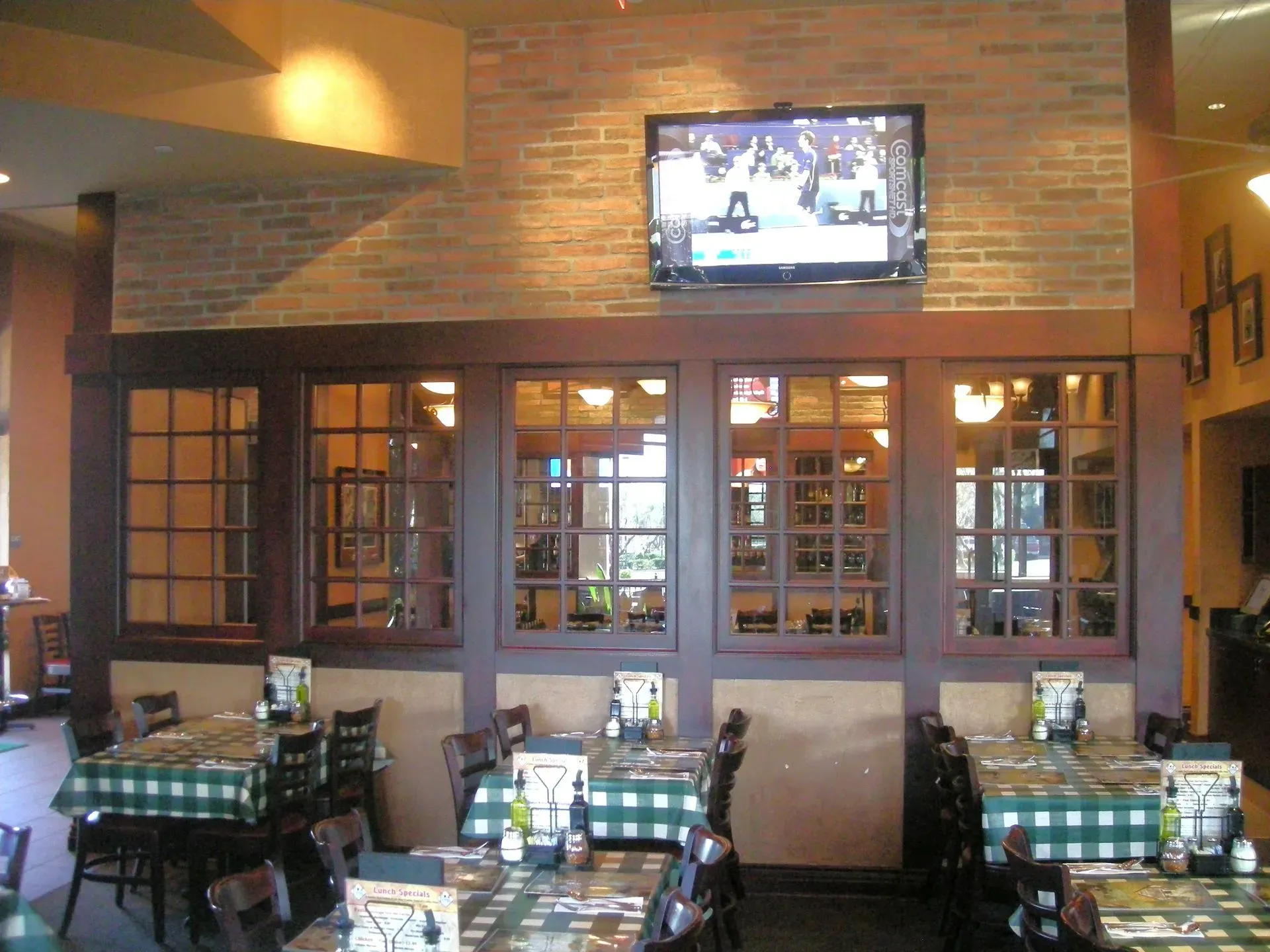
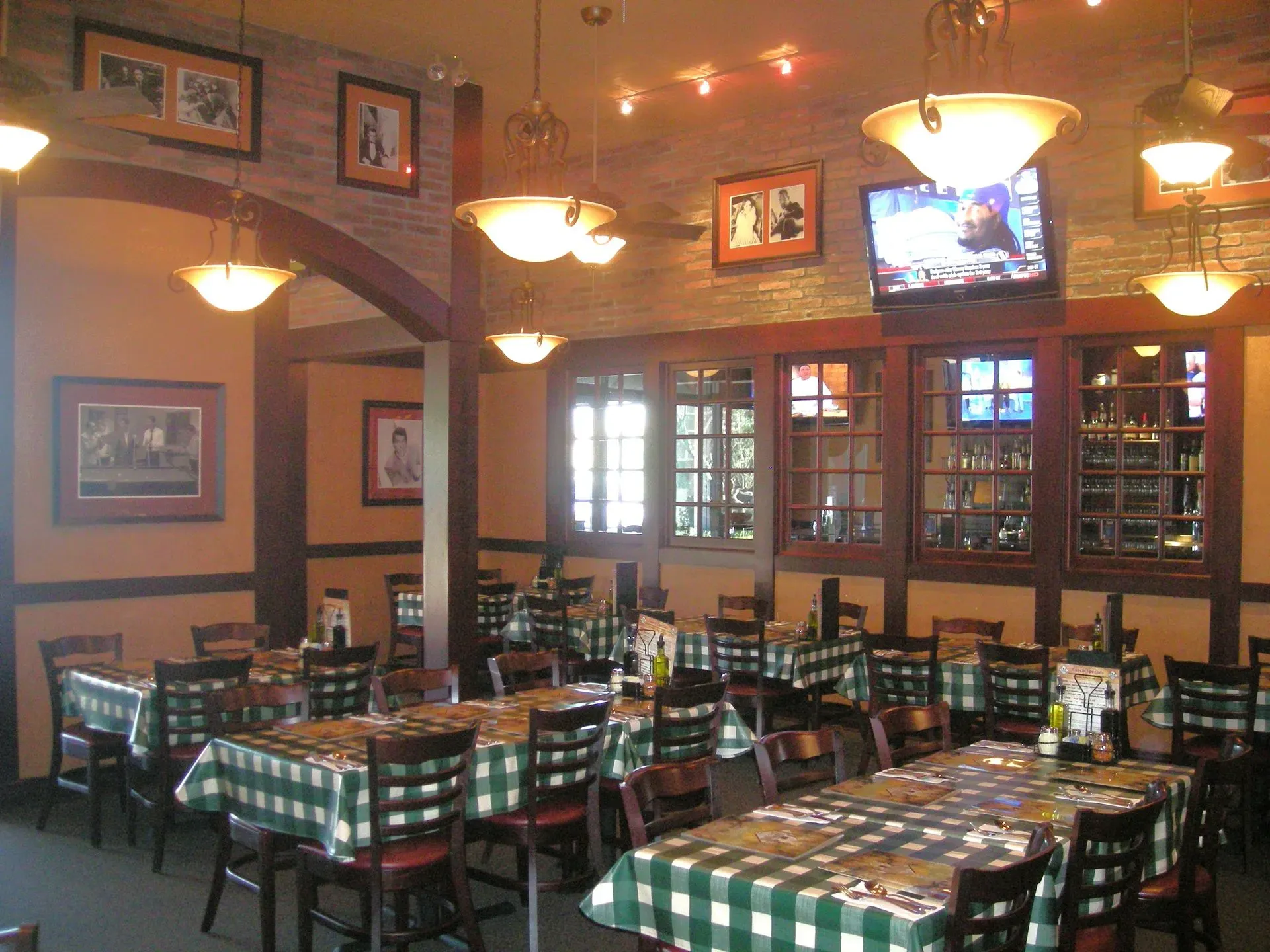
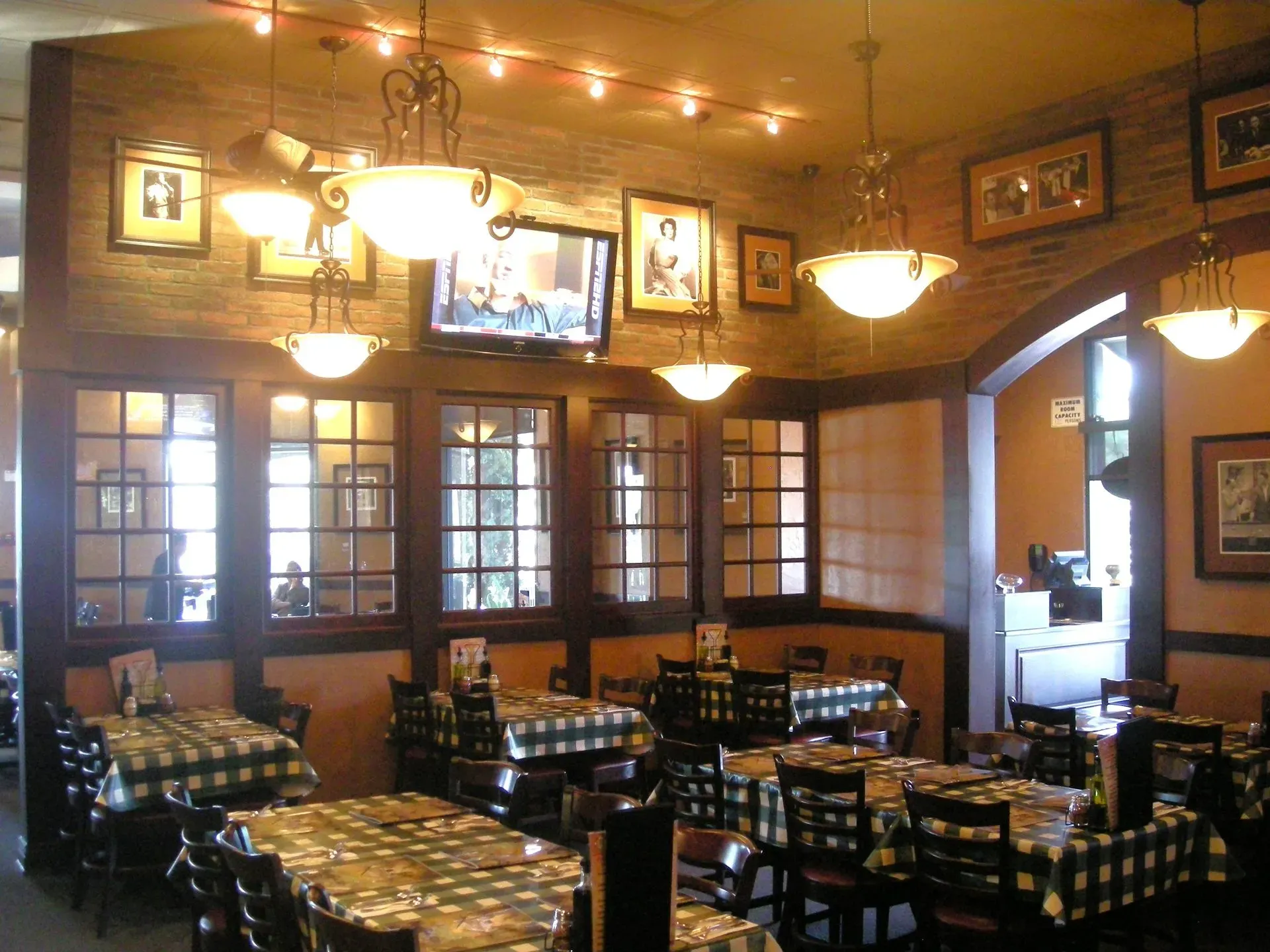
What Custom Commercial Millwork Actually Accomplishes
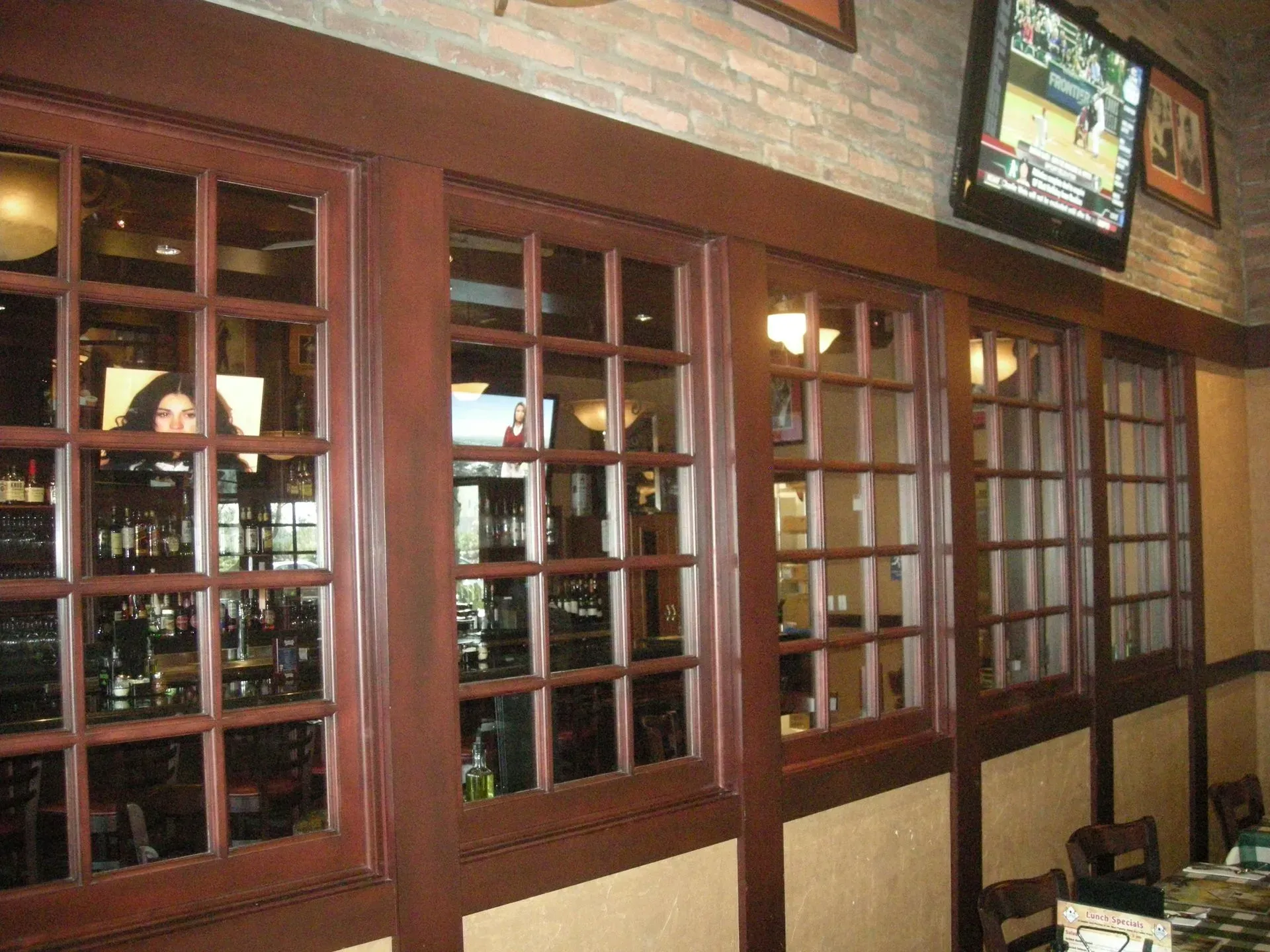
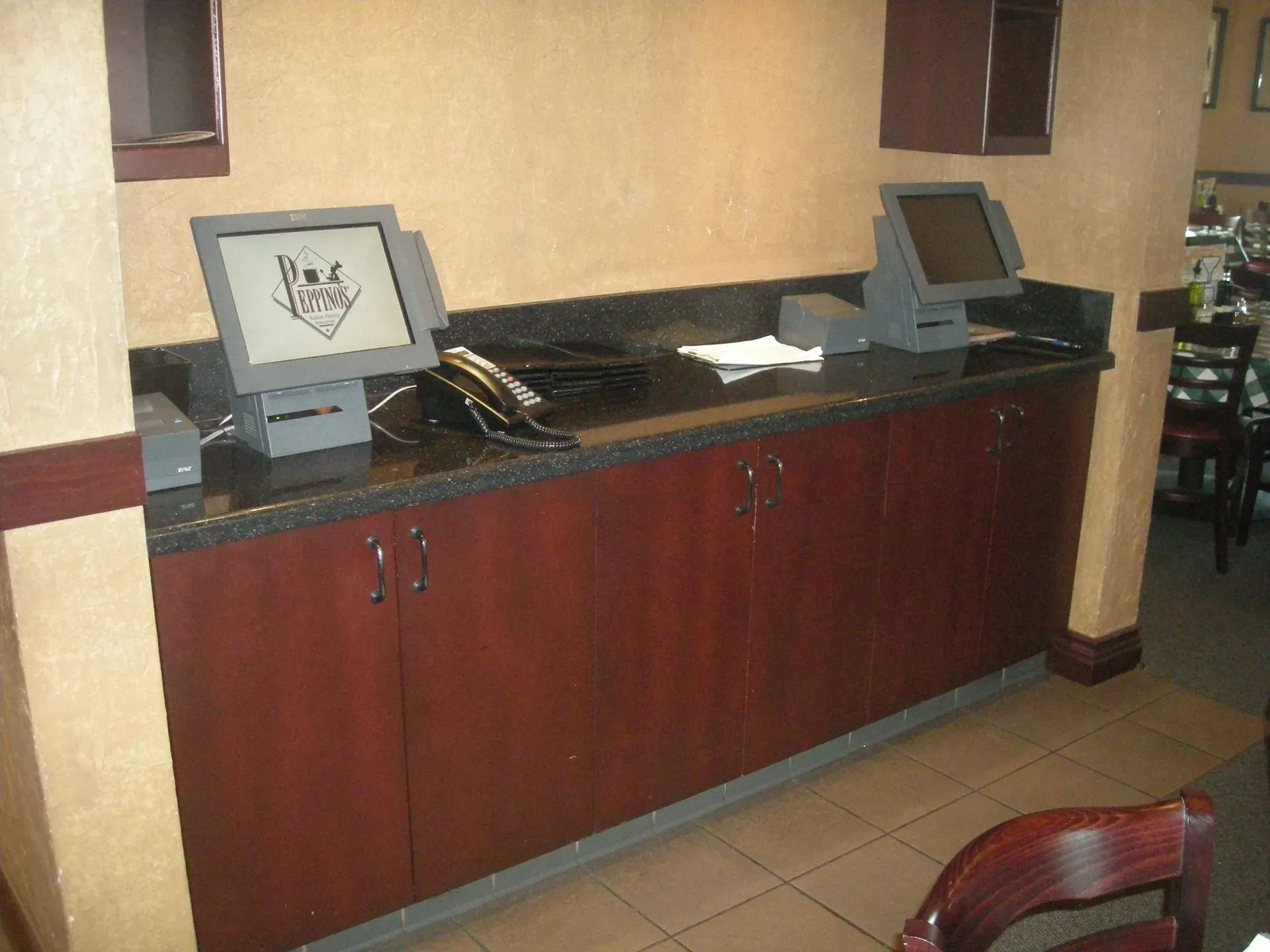
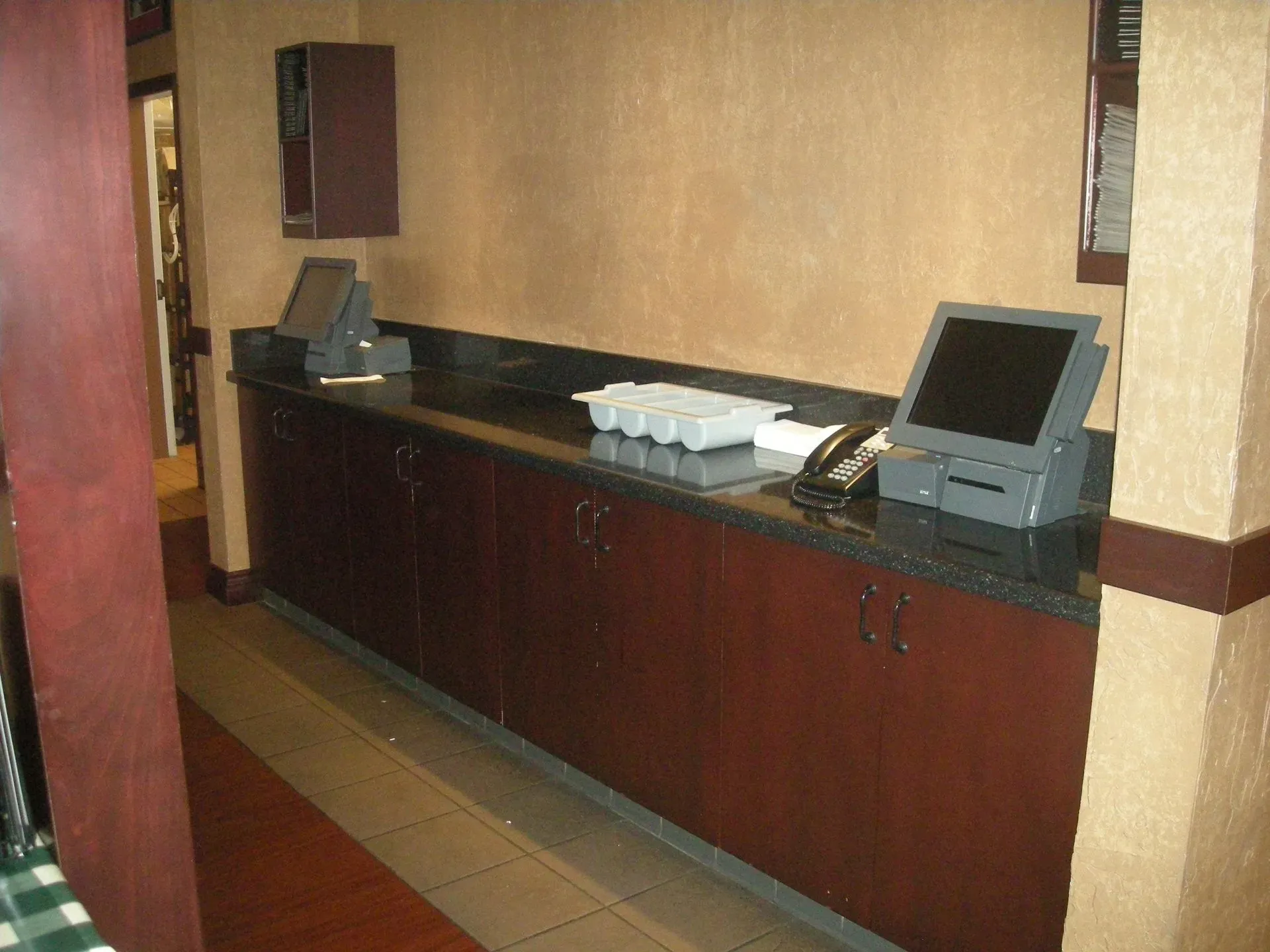
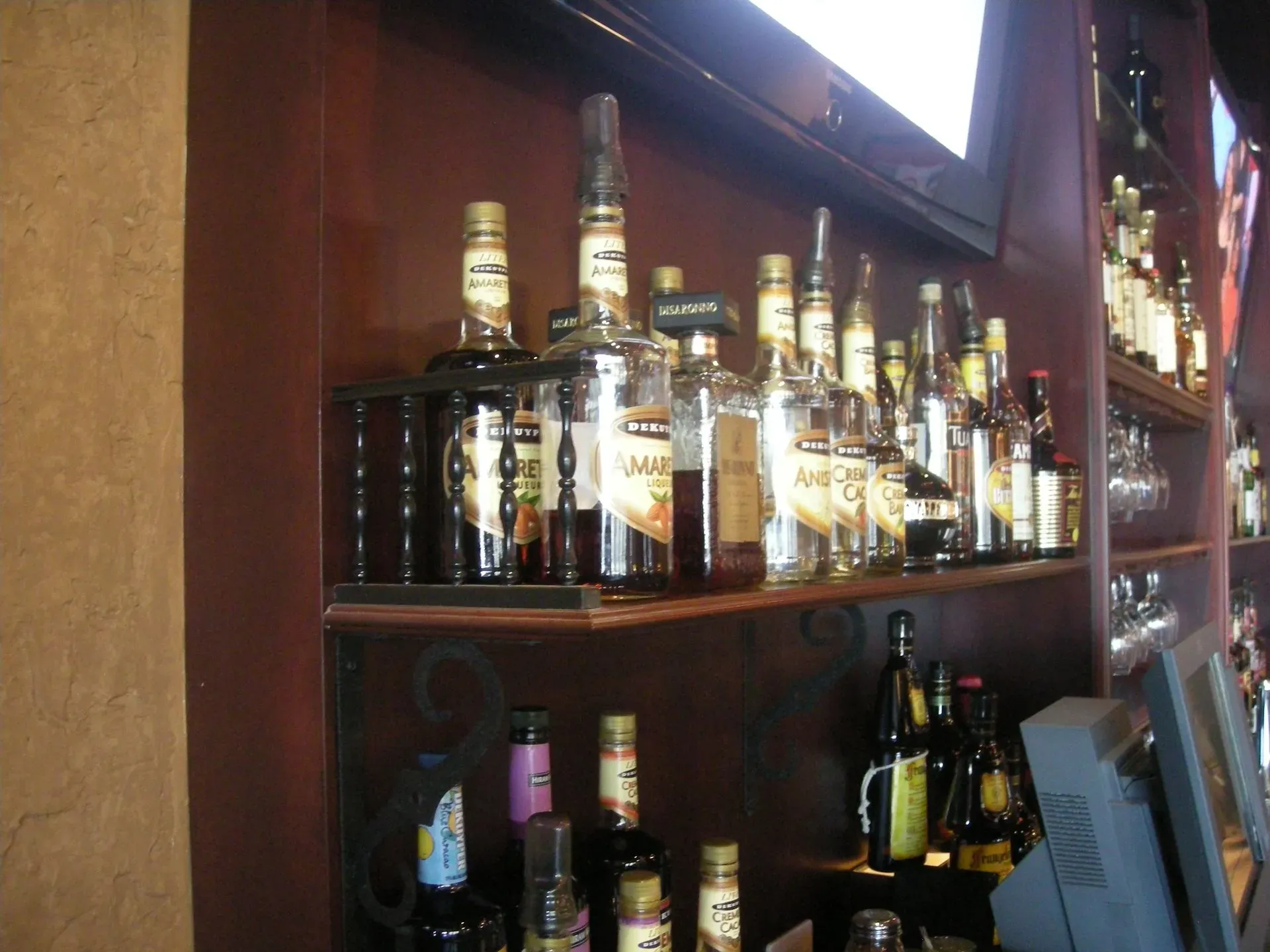
The millwork installation determines how servers navigate between tables, how quickly bartenders access glassware during peak hours, and whether checkout counters create congestion or allow smooth guest flow. Tellico Woodworks designs each component around your specific service model—the number of seats you turn per night, the types of beverages you serve, and the storage capacity required for inventory that doesn't fit in the back. Previous hospitality projects include bar installations with integrated speed rails, hostess stations with concealed reservation systems, and booth dividers that define seating zones without blocking sightlines.
Once installed, you'll notice that staff spend less time searching for supplies because storage is positioned where workflow naturally leads them. Bar tops remain level under the weight of full glassware racks, cabinet doors close cleanly after hundreds of daily cycles, and finish surfaces resist the clouding that develops when moisture penetrates inadequately sealed wood. The millwork maintains its structural integrity and visual appearance through years of service rather than requiring premature refinishing or replacement.
Commercial millwork includes features residential projects rarely require—reinforced framing for equipment mounting, ventilation considerations for heat-generating appliances, and accessibility compliance where building codes apply. The approach also accounts for future adjustments, since restaurant concepts often evolve and require layout modifications without full teardown.
Questions Before Starting Your Hospitality Project
Restaurant and bar owners in Tellico Plains often ask about lead times, customization options, and what differentiates commercial-grade construction from standard carpentry before committing to a millwork project.
What happens during the initial design consultation?
The process begins with an on-site assessment where existing layout, electrical locations, plumbing runs, and operational workflow are documented, followed by concept sketches that show how custom millwork integrates with your service model and seating arrangement.
How is bar top construction different from residential countertops?
Commercial bar tops use reinforced substrates to support concentrated weight loads without flexing, multiple finish coats that resist alcohol and citrus acid penetration, and edge profiles designed to prevent chipping in high-contact areas where glassware is set down repeatedly.
What durability standards apply to restaurant cabinetry?
Cabinet boxes are constructed with commercial-grade joinery—typically dowel-and-dado or mortise-and-tenon connections rather than stapled butt joints—and hinges rated for 100,000+ cycles to withstand the frequency of opening and closing that occurs in professional kitchens and service areas.
When should millwork installation occur relative to other construction phases?
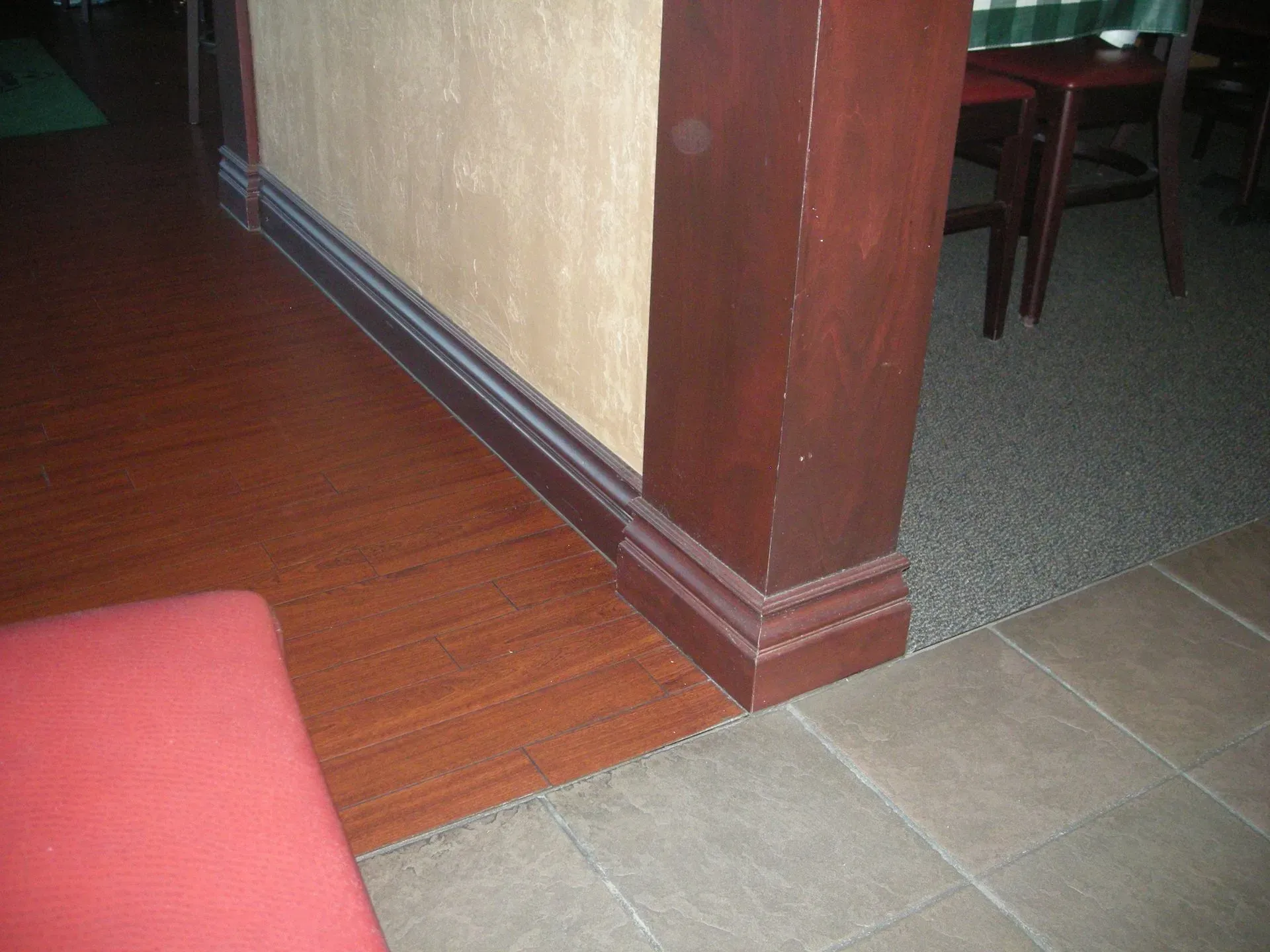
Installation typically follows electrical rough-in and precedes final flooring, allowing millwork to be anchored to structural walls and permitting flooring contractors to trim around installed cabinets rather than leaving gaps that accumulate debris.
How does custom millwork affect the guest experience in a dining environment?
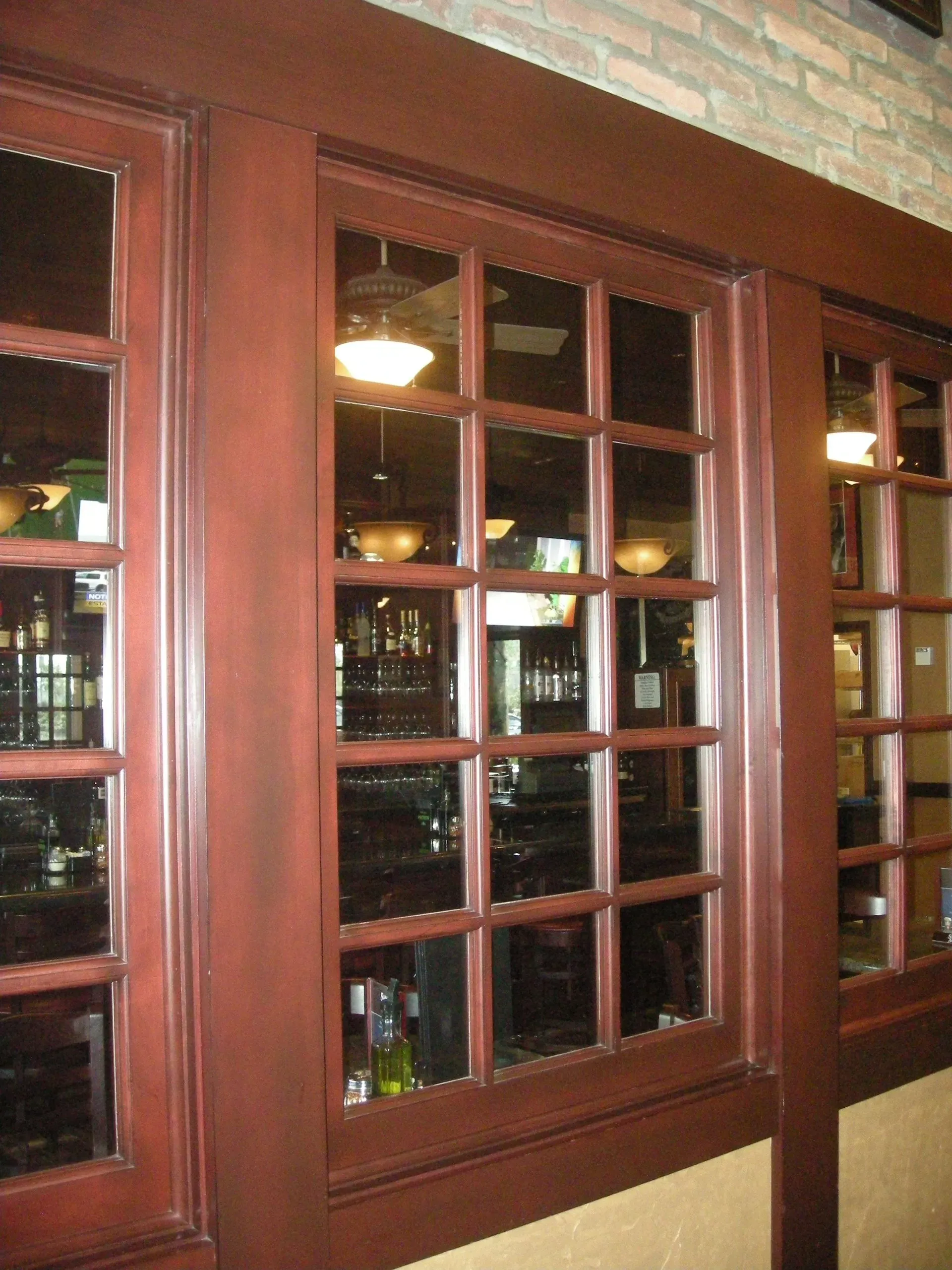
Properly designed millwork defines zones within open floor plans, reduces noise transmission between seating areas through strategic placement of booth dividers and feature walls, and creates visual focal points that establish atmosphere before guests review the menu.
Tellico Woodworks brings commercial construction standards and handcrafted attention to every hospitality project, producing millwork that holds up to daily service demands while contributing to the atmosphere you've envisioned. Reach out to discuss how custom woodwork solutions can support both your operational requirements and the dining experience you want to deliver.